

ENEVO launches construction of ENNA’s 87.5 MWp photovoltaic power plant in Romania
 Romania
23.12.2025
Romania
23.12.2025
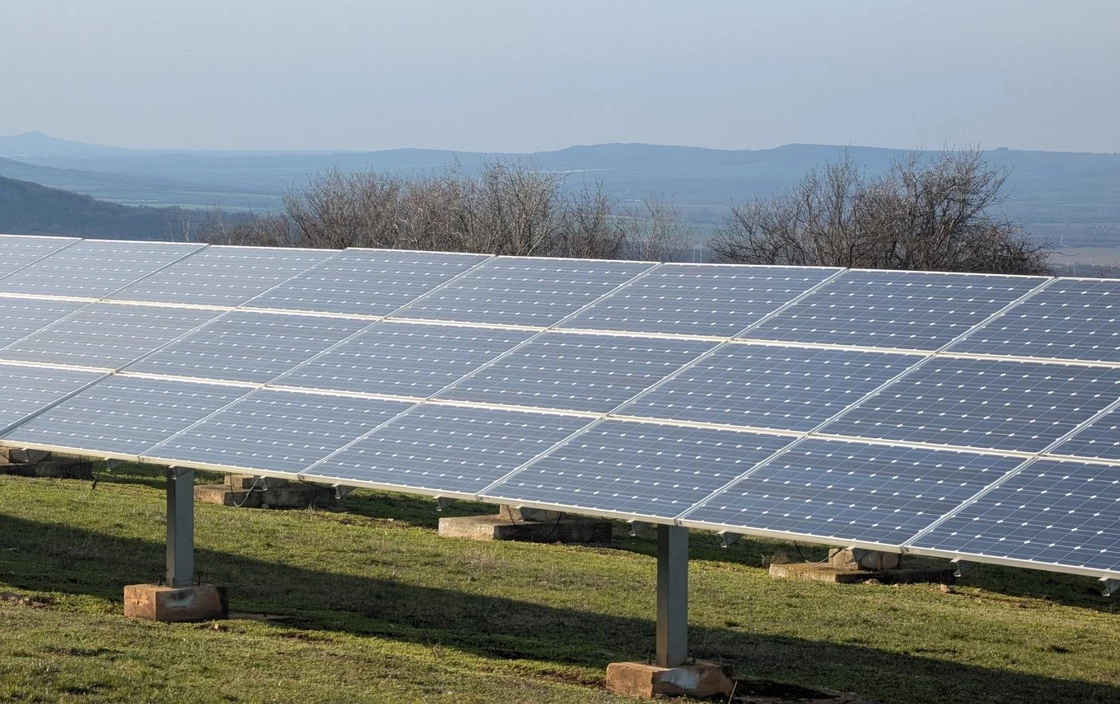
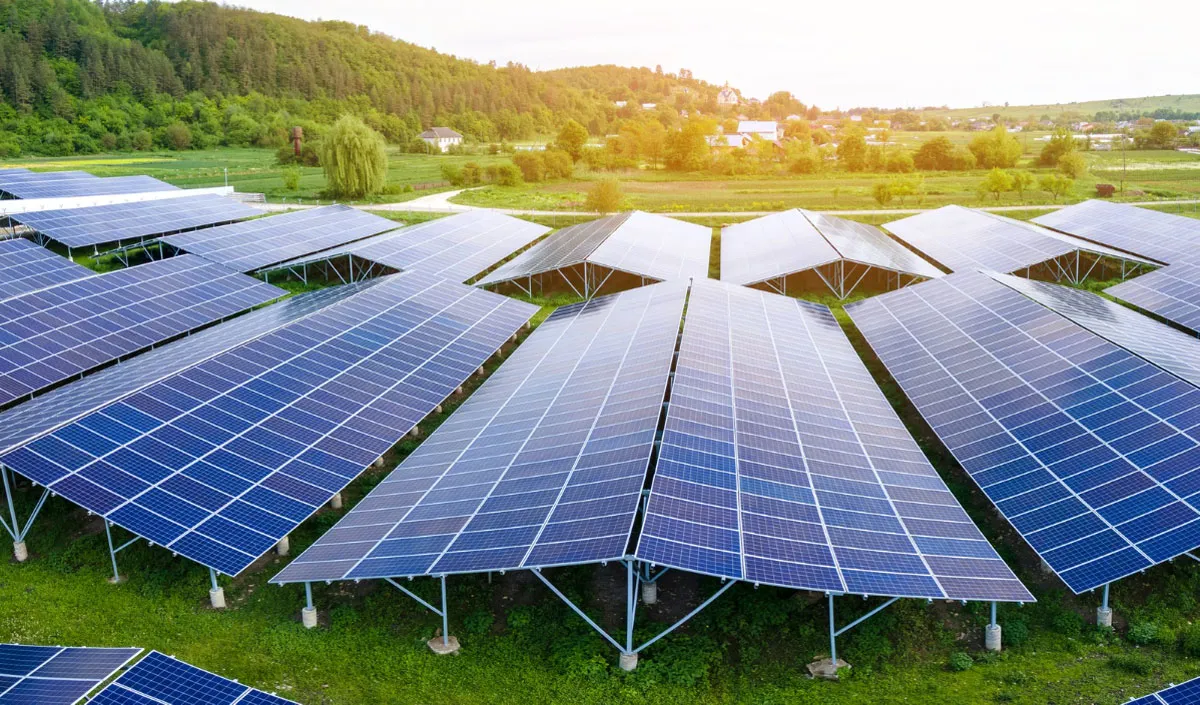
The Croatian energy group ENNA Group announced that the Romanian engineering and technology company ENEVO has officially started construction of an 87.5 MWp photovoltaic (PV) power plant in Romania. This marks ENNA Group’s first major investment outside Croatia.
The project is being implemented through PVP Cepheus, a special-purpose company of ENNA Solar. Under a full EPC (engineering, procurement and construction) turnkey contract, ENEVO is responsible for the entire project delivery. Total investment is estimated at around EUR 60 million.
The Giurgiu solar power plant will be built on a 93-hectare site in Mihăilești, approximately 25 km southwest of Bucharest. The facility is expected to generate at least 133 GWh of electricity per year, with grid connection and commissioning planned for Q1 2027. Quality control and technical supervision throughout construction and the warranty period will be provided by Bureau Veritas.
In September, ENNA acquired the ready-to-build project from the Austrian solar developer Kraftfeld.
IDR comment
The launch of the ENNA photovoltaic project in Romania clearly illustrates the accelerating transformation of the Danube region into a major renewable energy hub in South-Eastern Europe. Romania is increasingly positioning itself as a key destination for large-scale solar investments, benefiting from EU market integration, regulatory stability and growing regional demand for clean electricity.
From a Danube and Black Sea regional perspective, projects of this scale generate a systemic impact. They strengthen energy diversification, reduce dependence on imported fossil fuels and support the long-term decarbonisation of regional power systems. Large PV facilities also stimulate the development of grid modernisation, flexibility solutions and future energy storage infrastructure.
For Ukraine and its Danube regions, such investments in neighbouring EU countries are strategically important. They shape the energy environment into which Ukraine is gradually integrating through market coupling, cross-border balancing and future green energy corridors. In the medium term, this opens opportunities for joint Ukrainian–EU projects in renewables, hydrogen and green industrial value chains across the Danube basin.
The EPC “turnkey” model and the involvement of international certification bodies further highlight the maturity of the regional renewable energy market — an experience highly relevant for Ukraine’s post-war reconstruction and green transition.
 Croatia
 Bulgaria
 Ukraine

 Moldova


 Serbia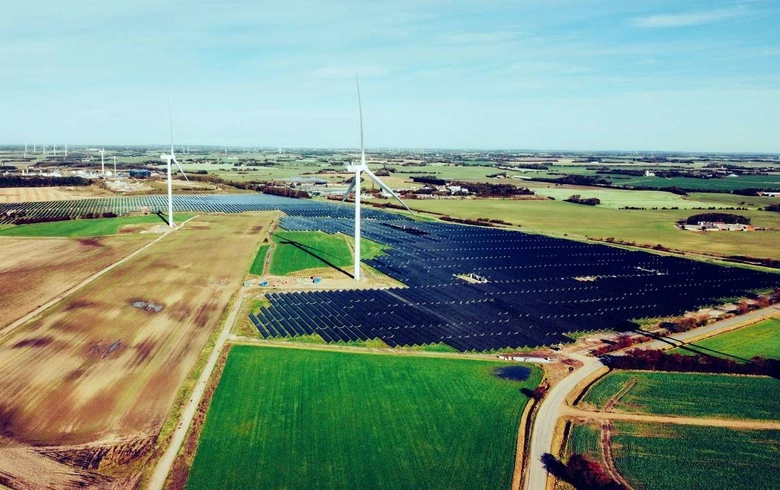


 Danube