


EU launches technical negotiations with Moldova: implications for the Danube Region
 Ukraine
17.12.2025
Ukraine
17.12.2025
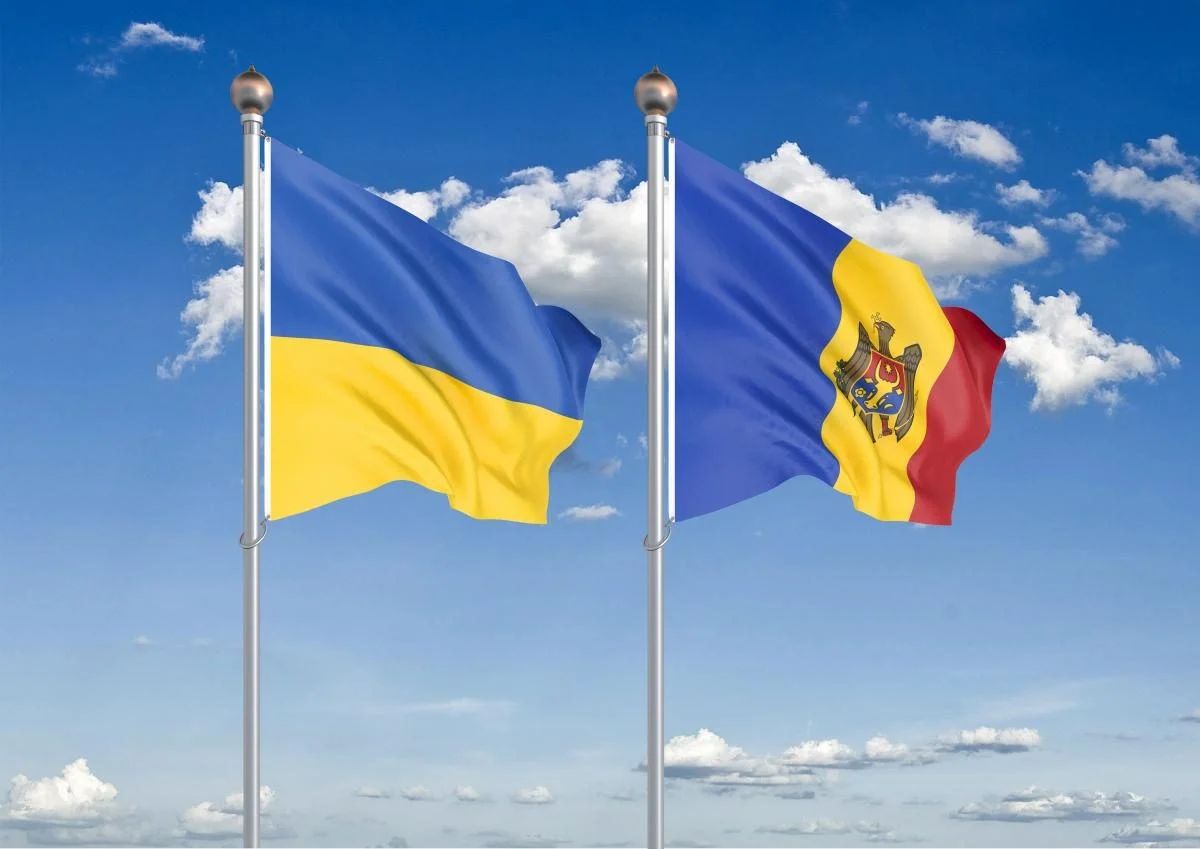
The European Union has launched technical negotiations with the Republic of Moldova within three key accession negotiation clusters — Fundamentals, Internal Market and External Relations. The announcement was made on 16 December by EU Commissioner for Enlargement Marta Kos and Moldova’s Deputy Prime Minister for European Integration, Cristina Gherasimov.
Although the clusters have not yet been formally opened, the start of technical talks marks a transition to a practical phase of legislative alignment and institutional reforms. Moldova is advancing toward EU membership in tandem with Ukraine, making the synchronization of reforms between the two countries a crucial factor for further progress.
Comment by the Institute of Danube Research
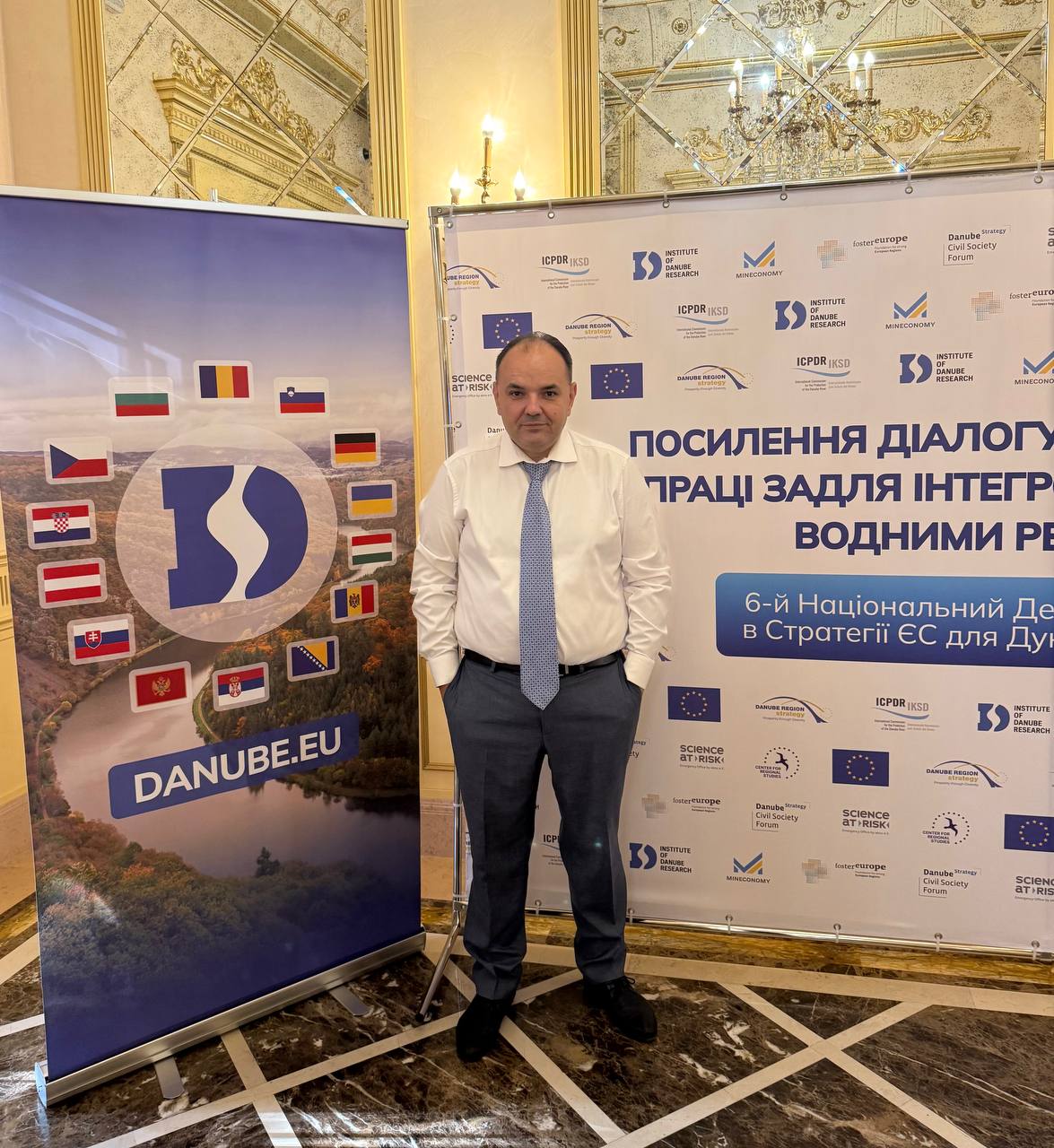
The Institute of Danube Research (IDR) notes that the launch of technical negotiations with Moldova has direct strategic relevance for the Danube Region, particularly for the Lower Danube and adjacent border areas of Ukraine, Moldova and Romania.
“The synchronization of reforms between Moldova and Ukraine within the ‘Fundamentals’ and ‘Internal Market’ clusters creates the necessary preconditions for coordinated cross-border governance, infrastructure development and economic integration in the Danube Region,” IDR experts emphasize.
According to the Institute, priority areas include:
- regulatory harmonisation in transport, logistics and port governance along the Danube;
- alignment of public administration and rule-of-law standards, which is essential for the implementation of joint cross-border projects;
- integration of internal markets, particularly in energy, agri-logistics and cross-border trade, directly affecting the development of the Ukrainian and Moldovan Danube regions.
IDR also underlines that the “External Relations” cluster opens new opportunities to strengthen the role of Moldova and Ukraine in the implementation of the EU Strategy for the Danube Region (EUSDR) and to attract funding from programmes such as Interreg, Connecting Europe Facility and LIFE.
“The EU’s paired approach to Ukraine and Moldova is not only a political signal but also a practical instrument for shaping a common reform space in the Danube–Black Sea region. Its success depends on real coordination at national and regional levels,” IDR concludes.

 Danube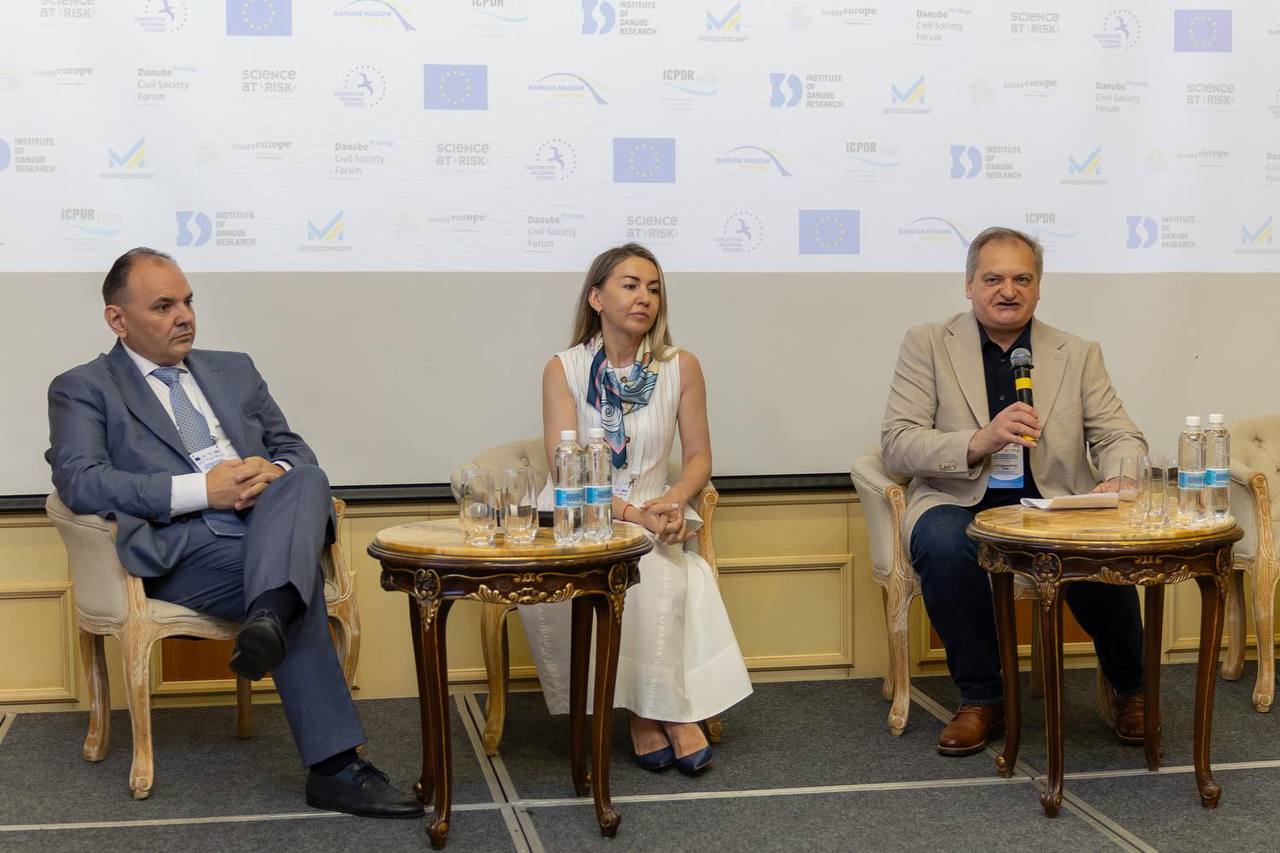

 Bulgaria
 Moldova
 Romania

 Serbia
 Hungary

 Germany