

European Commission and Ukraine Agree on Next Steps to Develop Danube Logistics
 Ukraine
26.01.2026
Ukraine
26.01.2026
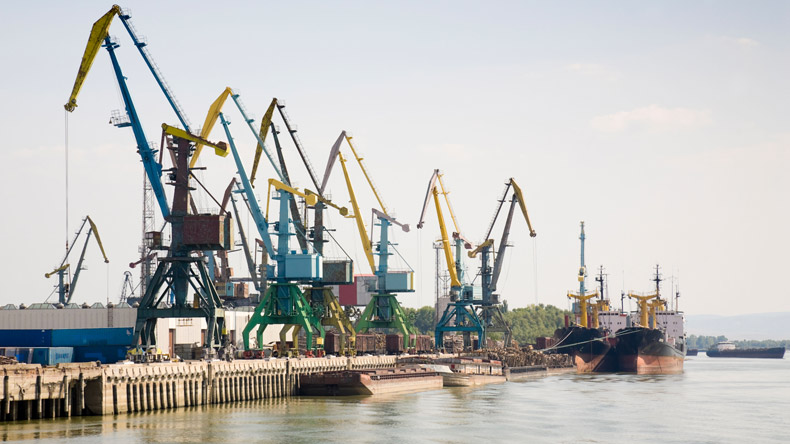
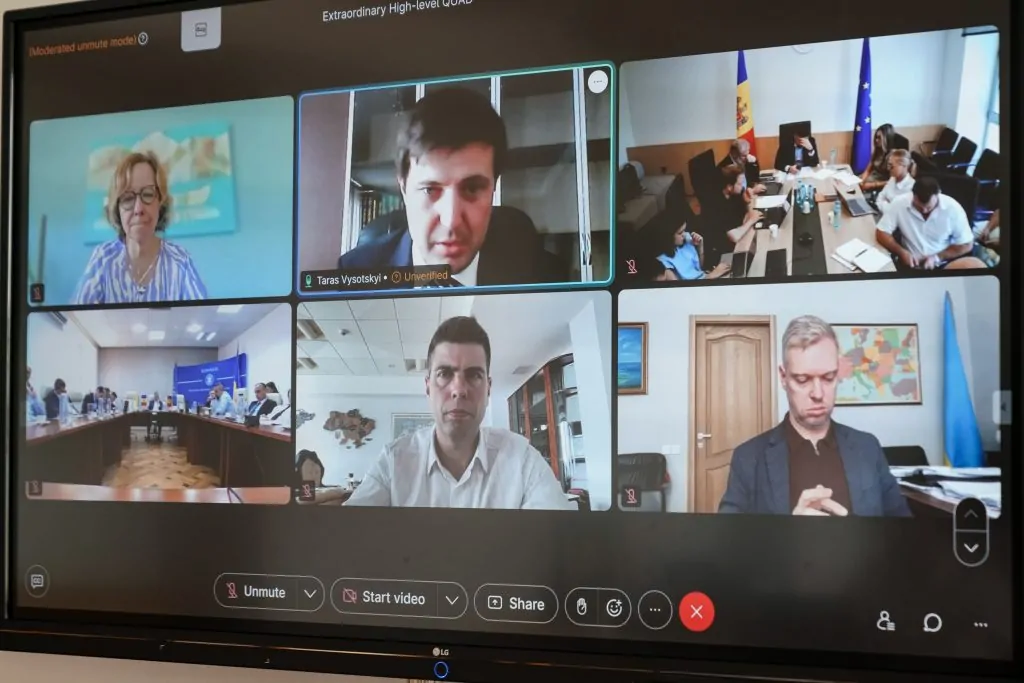
A working meeting was held in Izmail focusing on the current situation in the Danube region and Ukraine’s Black Sea ports, as well as on joint approaches to addressing logistics challenges caused by the full-scale war of the Russian Federation against Ukraine.
The meeting was attended by Deputy Minister for Communities and Territories Development of Ukraine Andrii Kashuba, a representative of the European Commission’s Directorate-General for Mobility and Transport DG MOVE Alan Baron, as well as representatives of the Ukrainian Sea Ports Authority, the Izmail Sea Commercial Port, Ukrzaliznytsia, and the Ukrainian Danube Shipping Company.
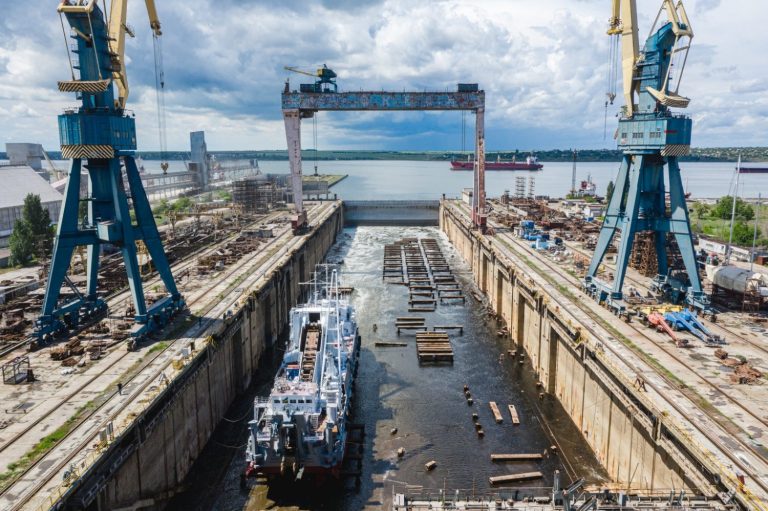
The key objective of the meeting was to align approaches to coordinating assistance that the European Commission can provide to Ukraine under wartime conditions. The Ukrainian side presented an overview of the situation in the Danube region and Black Sea ports at the beginning of 2026, including route capacity constraints, the condition of port infrastructure, the impact of damage and energy limitations, and the identification of critical infrastructure bottlenecks. Particular attention was paid to Danube dredging needs, updated capacities, and planned works.
The participants also reviewed the current use of EU financial support amounting to EUR 50 million allocated for the restoration of critical infrastructure damaged by Russian attacks. Alan Baron outlined the EU’s approach to developing alternative logistics routes in case of disruptions in Black Sea navigation or reduced capacity along the Odesa–Danube corridor, as well as opportunities for further coordination with the Ukrainian side.
Ukraine remains in close and continuous contact with the European Commission to address logistics challenges caused by the war. A number of practical solutions have already been developed to strengthen the resilience of the Danube logistics route and ensure uninterrupted transport connectivity with the EU.
IDR Analytical Comment
The Izmail meeting demonstrates a gradual shift from ad-hoc crisis management toward elements of strategic logistics planning in the Danube region. The Danube corridor is increasingly perceived not as a temporary substitute for Black Sea ports, but as a structural component of Ukraine’s integration into the European transport network. The focus on dredging, removal of infrastructure bottlenecks, and coordination with Romania and Moldova reflects the emergence of a multi-layered resilience model combining river, maritime, and rail transport systems.
Director of the Institute of Danube Studies Vitalii Barvinenko emphasizes that for Ukraine the further development of Danube logistics should be viewed not only as an instrument of wartime resilience, but also as a long-term factor of integration into the EU transport network, enhancement of the competitiveness of the ports of the Odesa region, and reduction of structural risks in foreign trade.

 Danube


 Bulgaria
 Moldova
 Romania

 Serbia
 Hungary
 Germany