


Four Eurasian Eagle-Owls Return to the Wild in the Danube Delta
 Ukraine
14.11.2025
Ukraine
14.11.2025
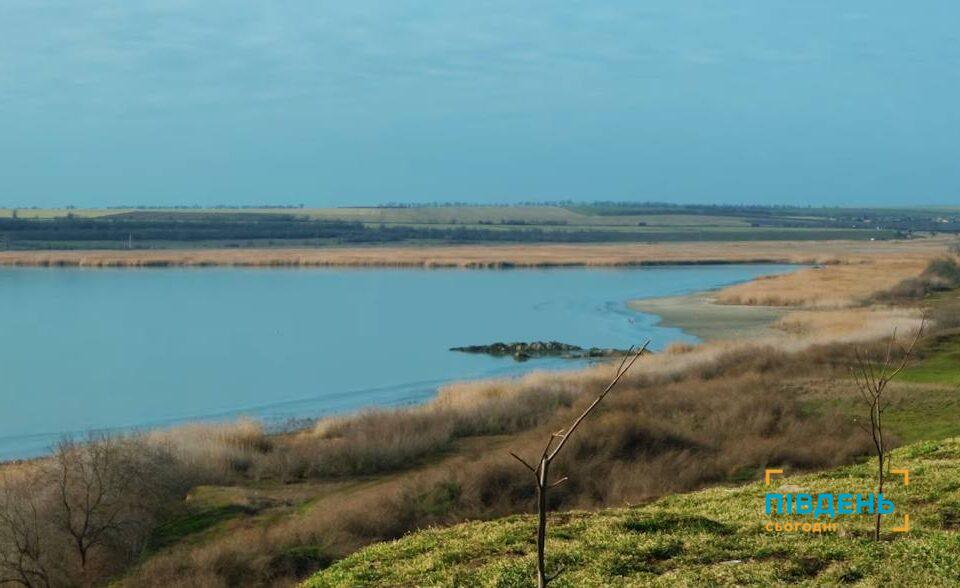
The voice of Europe’s largest owl — the Eurasian eagle-owl — is once again heard over the Danube Delta. As part of the Rewilding Ukraine programme, four young birds, two males and two females, have begun their first journey into the wild, contributing to the restoration of the local Bubo bubo population in the Ukrainian Danube region.
Two of the released birds were equipped with GPS trackers, allowing researchers to monitor their movements and behaviour. Previous years’ data show that eagle-owls explore the wider Danube area but eventually return to the delta, where they find abundant food resources and safe resting sites even during the winter.
The eagle-owl also holds cultural significance, appearing in Ukrainian mythology, legends, and folklore. Its return enhances the potential for nature-based tourism, which can support local communities in the region.
Despite the war, rewilding efforts in the Danube Delta continue. Each release symbolizes resilience and the recovery of Ukraine’s natural ecosystems. Once widespread across the country, the eagle-owl suffered a sharp decline due to urbanization, persecution, and the loss of nesting habitats.
Today, thanks to the cooperation of the Danube Biosphere Reserve, Rewilding Europe, and the Limpopo Zoo, these birds are returning to the natural landscapes of the delta.
Experts note that some previously released birds have successfully adapted within the Ukrainian-Romanian UNESCO transboundary biosphere reserve. The next anticipated step is to document the first successful breeding of the species in the region.
The Eurasian eagle-owl is the largest owl in Europe, with a wingspan of up to 1.8 metres and a lifespan of up to 60 years in the wild. Although globally classified as Least Concern by the IUCN, many local populations across Europe remain vulnerable and require conservation support.
Comment by the Institute of Danube Research
The Institute of Danube Research welcomes the latest milestone in restoring the Eurasian eagle-owl population in the Ukrainian Danube Delta and emphasizes the importance of long-term rewilding programmes for the ecological stability of the region.
The release of four young eagle-owls (Bubo bubo) into the wild is not only a success of the Rewilding Ukraine initiative but also a significant contribution to preserving biodiversity in one of Europe’s most valuable river landscapes. As an apex predator, the eagle-owl plays a crucial role in ecosystem functioning by regulating populations of small mammals, supporting natural ecological processes, and maintaining interspecies balance.
For the Danube Delta — part of the bilateral Ukrainian-Romanian UNESCO Biosphere Reserve — the recovery of large raptor populations serves as a key indicator of ecosystem health. The presence and survival of such species demonstrate the capacity of local habitats to sustain complex food webs, maintain high trophic diversity, and withstand anthropogenic pressure in sensitive natural areas.
Of particular importance is the use of modern monitoring technologies, including GPS tracking, which allows researchers to follow the movements and adaptation of released birds, especially under post-conflict environmental conditions. These data provide deeper insights into spatial behaviour and habitat suitability for long-term species recovery.
Despite the challenges posed by the ongoing war, conservation efforts in the Ukrainian Danube remain vital — not only for wildlife protection but also for strengthening ecological security, promoting sustainable tourism, and supporting local communities. The return of eagle-owls is a positive signal of the region’s resilience and proof that natural processes can recover even under high-risk conditions.
We expect that in the coming years it will be possible to document the first successful breeding cases of the eagle-owl in the Danube Delta, marking an important step toward establishing a stable, self-sustaining population. The Institute of Danube Research will continue to support scientific and conservation initiatives aimed at ecosystem restoration and biodiversity enhancement in the Ukrainian Danube region.

 Danube

 Bulgaria
 Moldova
 Romania


 Serbia
 Hungary


 Germany