

How critical is the decline in water levels in the Danube and the Danube Lakes?
 Ukraine
09.12.2025
Ukraine
09.12.2025
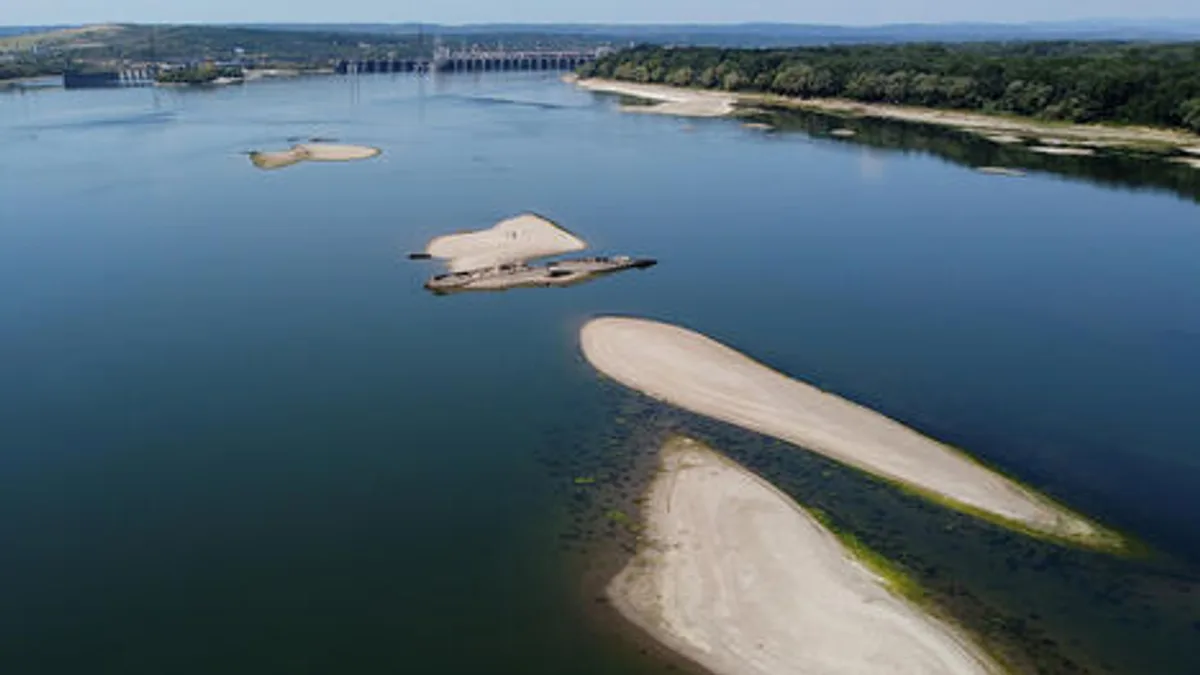
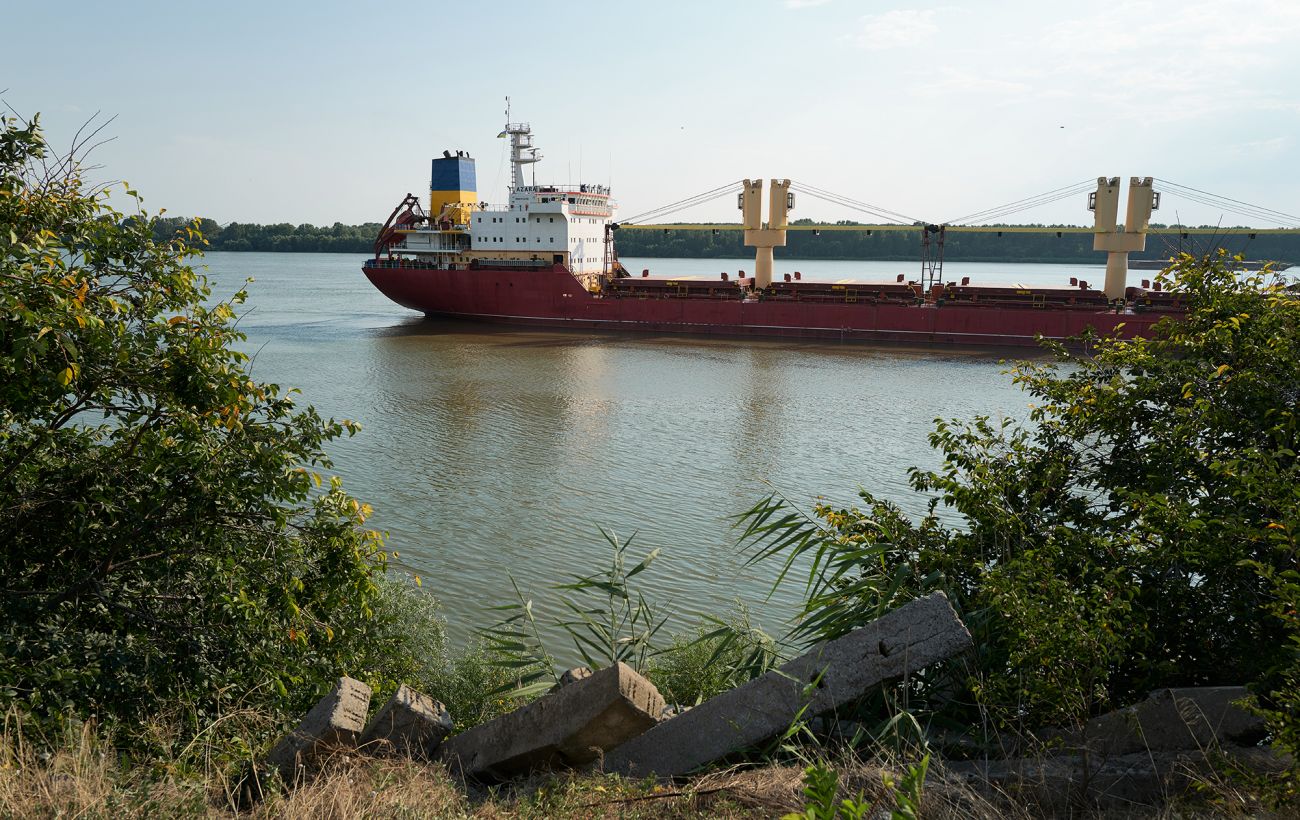
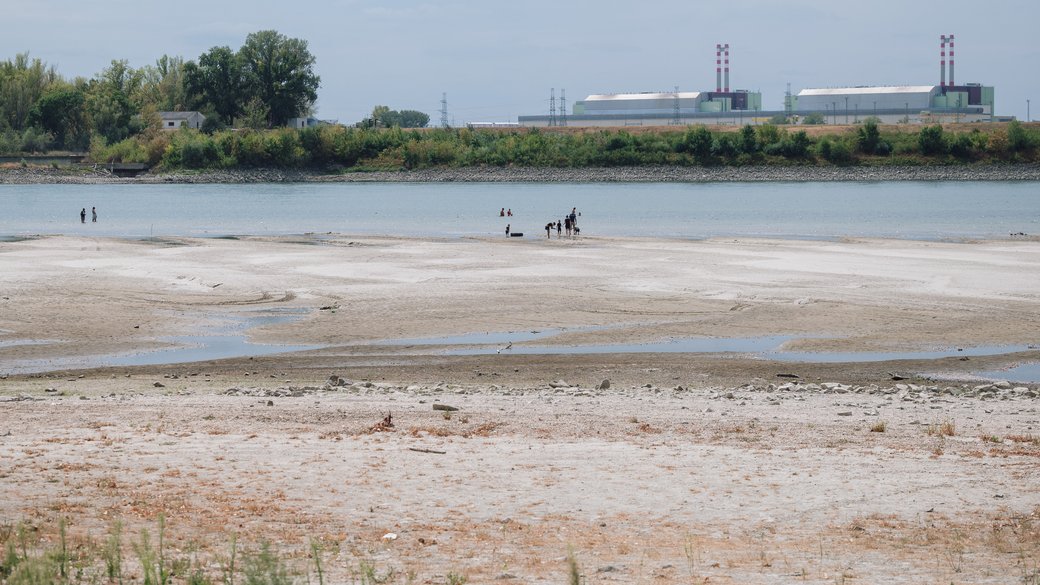
Water levels in the Ukrainian section of the Danube River continue to fall, approaching dangerous marks. According to the Izmail District Military Administration, citing the Danube Hydrometeorological Observatory and the Izmail Water Management Authority, the measurements as of 4 December show a steady downward trend across all key hydrological stations.
Danube River levels (as of 4 December):
- Reni: 2.53 m Baltic System (danger threshold – 3.17 m)
- Izmail: 1.29 m BS (danger threshold – 2.23 m)
- Kyslytsia: 0.57 m BS (danger threshold – 3.60 m)
- Kiliya: 0.51 m BS (danger threshold – 1.81 m)
- Vylkove: 0.23 m BS (danger threshold – 0.57 m)
Despite the operation of all main sluices (Tabachello, Inter-farm, Main, Kofa-Stepovyi, Prorva, Skunda, Hromadskyi, Zhelyavsky), the natural inflow remains insufficient to stabilise the water balance.
Levels in the Danube Lakes:
- Lake Cahul: –119 cm to the normal operational level, +31 cm above dead storage
- Lakes Yalpug, Kartal, Kugurlui: –129 cm
- Lake Katlabuh: –100 cm and at dead storage level
- Lake Kitay: –128 cm to the operational level and –38 cm below dead storage
- Lake Sasik: –17 cm
Most lakes currently fail to reach their normative water levels. Lake Kitay remains in critical condition, with natural inflow unable to raise it even to the dead-storage minimum.
Ecologists: "No threat to the population, but monitoring continues"
The State Environmental Inspectorate of the Southwestern District confirms a decrease in water levels but notes that danger thresholds have not yet been reached. This is also supported by the State Emergency Service of Ukraine in Odesa Oblast.
“There is currently no threat or negative consequences for the population or the water management sector. Monitoring continues, and additional data have been requested for detailed analysis,”
— the agency reported.
IDR Expert Comment
The Institute for Danube Research (IDR) emphasises that the situation, while not critical for public safety, presents serious ecological risks for several lakes of the Ukrainian Danube region.
1. Lake Kitay — the most vulnerable water body
With a level of 0.22 m BS (–128 cm from the operational norm), the lake cannot replenish even its dead storage through natural inflow. This creates risks of:
- increased water mineralisation,
- deterioration of water quality,
- fish mortality during wintering,
- disruption of ecological processes.
2. Causes of low water levels
According to IDR experts, the decline is driven by:
- low water discharge in the Upper Danube and the Prut,
- insufficient autumn precipitation,
- uneven operation of hydrotechnical systems in the transboundary basin,
- high levels of water use in the region.
3. IDR calls for coordinated actions
Priority recommendations include:
- adaptive water distribution through sluices,
- enhanced ecological monitoring (quality, salinity, wintering conditions),
- preparation of emergency-response scenarios for winter and spring 2026,
- strengthening communication with Romanian and Moldovan water authorities.
“While the water levels pose no immediate threat to the population, several lakes — especially Lake Kitay — have reached ecologically critical parameters. Timely coordination and scientific support are essential to stabilise the system,”
— IDR noted.

 Bulgaria
 Hungary
 Romania
 Moldova
 Serbia

 Danube