

Moldova Cuts Its Remaining Energy Ties with the CIS
 Moldova
17.11.2025
Moldova
17.11.2025
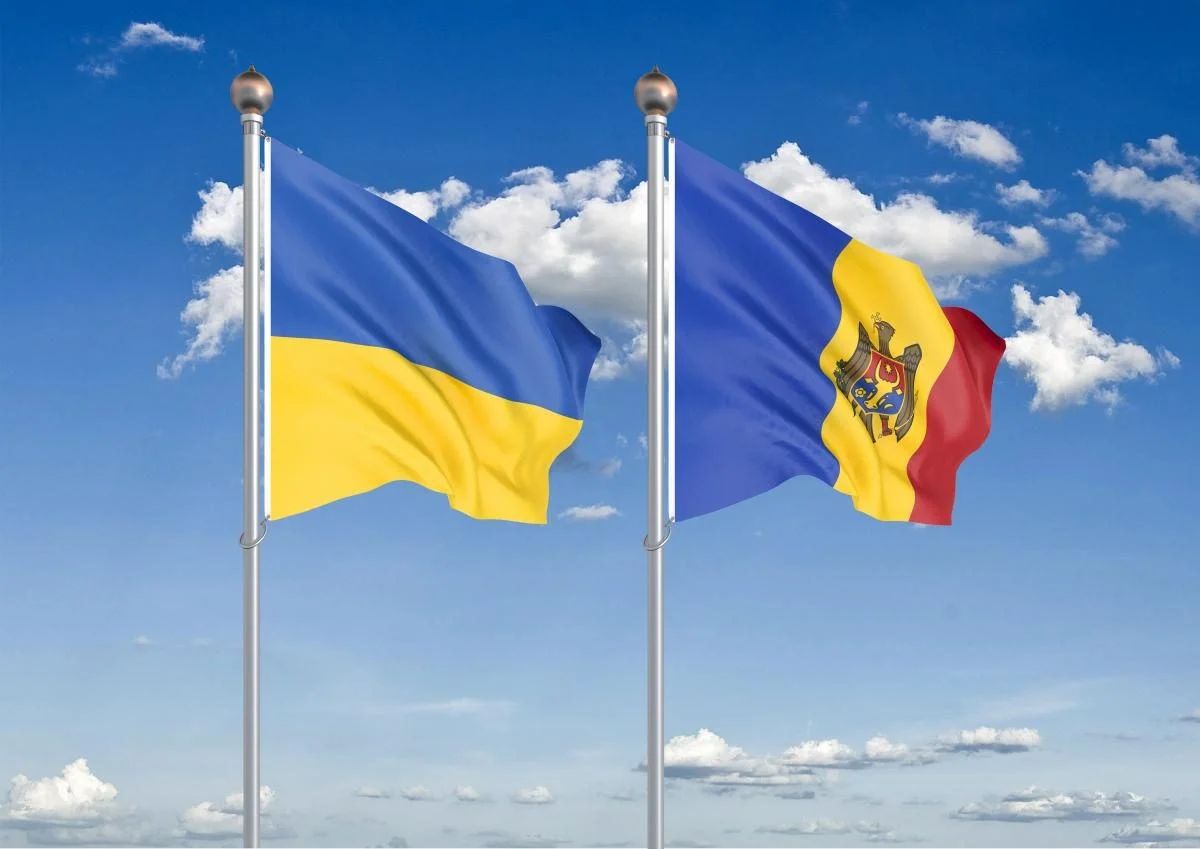
Moldova has denounced the last of its ten remaining energy agreements signed within the Commonwealth of Independent States (CIS), completing its withdrawal from all CIS-based energy cooperation mechanisms. The decision was approved by the government on 12 November, according to the Ministry of Energy.
The final agreement, signed in Minsk in 1995, concerned the use of compressed natural gas as fuel for road transport.
The ten denounced agreements covered three key sectors:
- electricity — parallel operation of power systems, electricity transit and unified technical procedures;
- natural gas — rules and arrangements for transit and system operation;
- oil products — transit of crude oil and petroleum products through main pipelines.
The Ministry of Energy noted that these documents had become obsolete after Moldova’s synchronisation with the European ENTSO-E electricity network in 2022. Since then, the country has been physically disconnected from the unified CIS energy system (UES/IPS) and now operates under European standards.
The move also reflects Moldova’s shift away from Russian energy dependence, including the transition to purchasing natural gas on European exchanges.
To date, Moldova has denounced 64 CIS agreements that no longer correspond to its national interests or bring tangible benefits to citizens.
Comment by the Institute of Danube Research (IDR)
Moldova’s full withdrawal from CIS energy arrangements is a strategic and symbolic milestone, signalling a deep structural shift toward the European energy space.
The combination of ENTSO-E synchronisation and CIS treaty withdrawal consolidates Moldova’s irreversible European trajectory in energy governance.
For the Lower Danube and the wider Eastern flank of the EU, the move supports:
- greater system stability and predictability,
- reduced exposure to Russian energy leverage,
- improved cross-border operational compatibility with Romania and Ukraine.
Alignment with EU standards enables Moldova to join:
- pan-European energy modernisation programmes,
- Connecting Europe Facility (CEF) initiatives,
- future regional green-energy corridors.
Moldova demonstrates that technical and regulatory decoupling from the CIS is achievable within a short timeframe when supported by European-integrated systems. It reinforces the long-term value of Ukraine’s own ENTSO-E synchronisation and future EU market integration.
 Ukraine
 Danube
 Bulgaria
 Romania

 Serbia
 Hungary

 Germany