

Romanian Government Approves Over RON 710 Million Investment to Improve Navigation on the Joint Romanian–Bulgarian Section of the Danube
 Romania
12.12.2025
Romania
12.12.2025
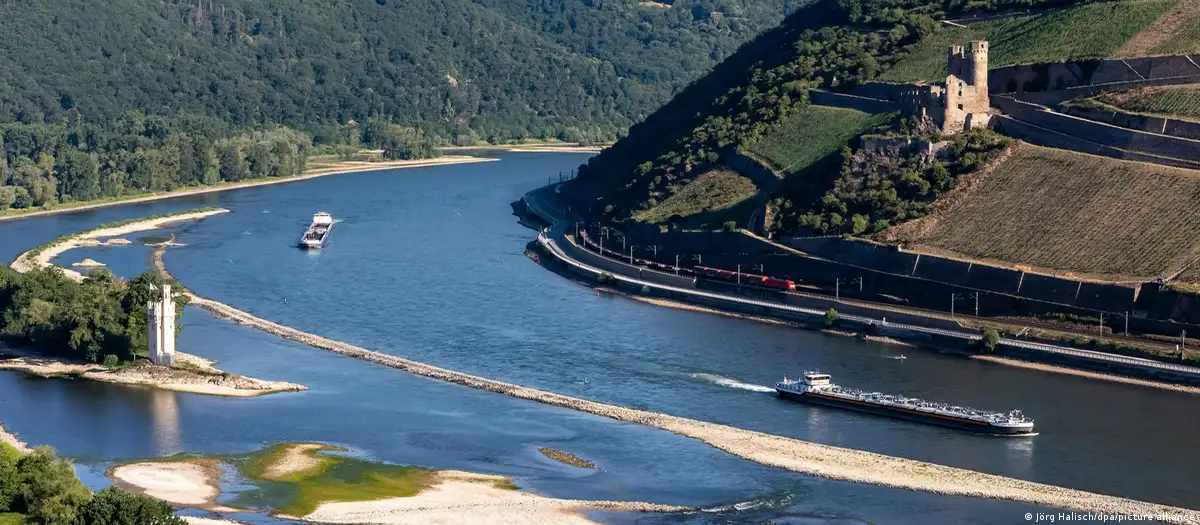
On Thursday, the Romanian Government approved the technical and economic parameters of works aimed at improving navigation conditions on the joint Romanian–Bulgarian section of the Danube River under the FAST DANUBE project. The total investment will exceed RON 710 million, with an implementation period of 24 months.
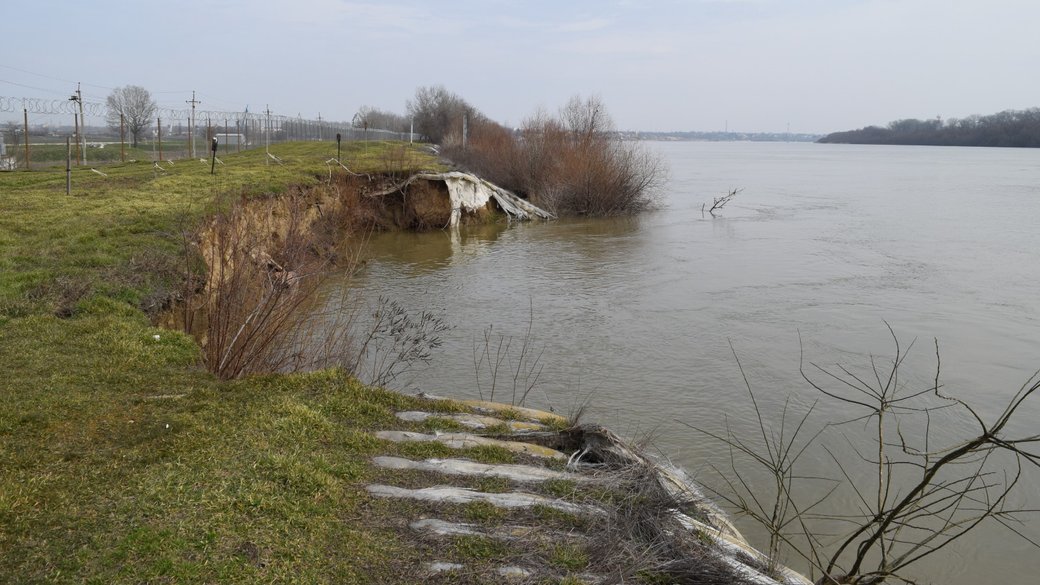
According to the official press release, the project covers the Danube sector between river km 845.5 (the mouth of the Timok River) and river km 610 (upstream of the port of Somovit), which is administered by the Romanian River Administration (AFDJ) in Galați. Planned interventions will be carried out at six critical points located within the sector under Romania’s responsibility.
Following the implementation of the project, the average number of days per year with minimum navigation conditions ensured is expected to increase from 280 to 340 days, significantly improving the competitiveness of inland and maritime transport compared to other modes of transport.
The project will be financed through non-repayable EU funds under the Connecting Europe Facility (CEF), as well as from the Romanian state budget via the Ministry of Transport and Infrastructure.
Commentary by the Institute of Danube Research
The FAST DANUBE project is of strategic importance for the entire Lower Danube and the Danube–Black Sea transport corridor. Increasing the number of navigable days and removing bottlenecks on the Romanian–Bulgarian section of the Danube will directly contribute to the stability of logistics chains, port development, and the integration of inland waterways into the European TEN-T transport network.
For Ukraine and the Danube region, such infrastructure investments are particularly significant, as they enhance the Danube’s transit capacity, create conditions for increased cargo flows through Danube ports, and strengthen the role of river transport as an environmentally sustainable component of regional economic recovery.

 Ukraine
 Danube
 Bulgaria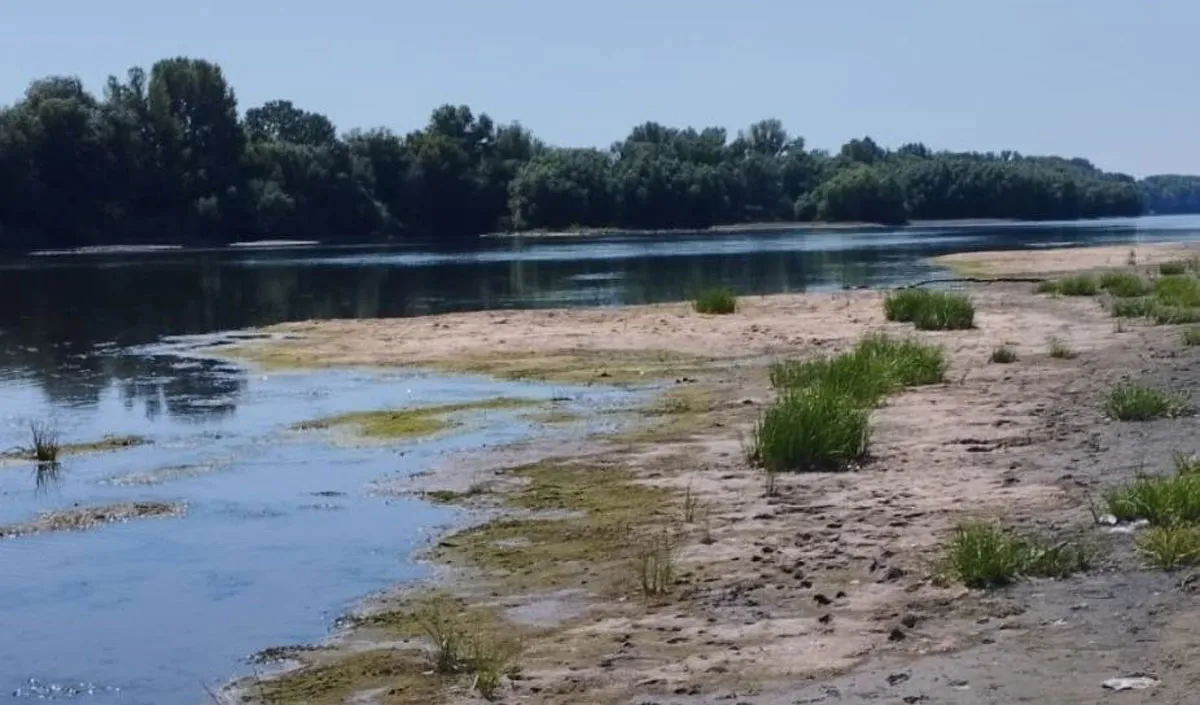
 Moldova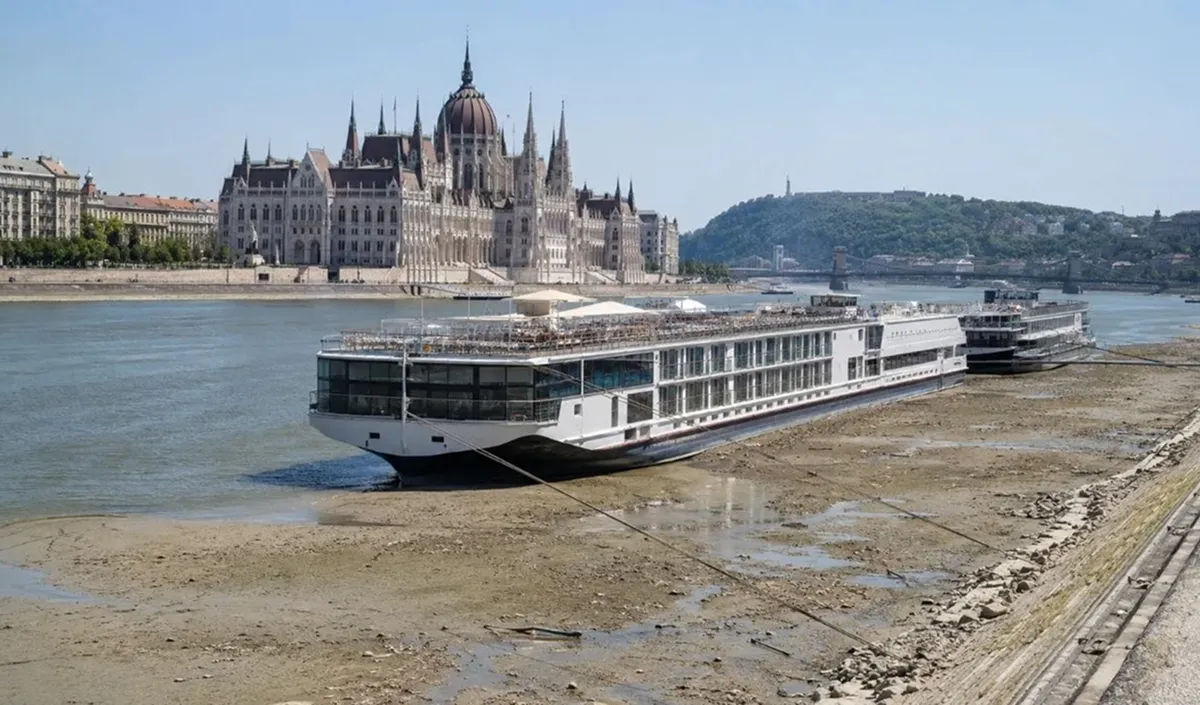
 Serbia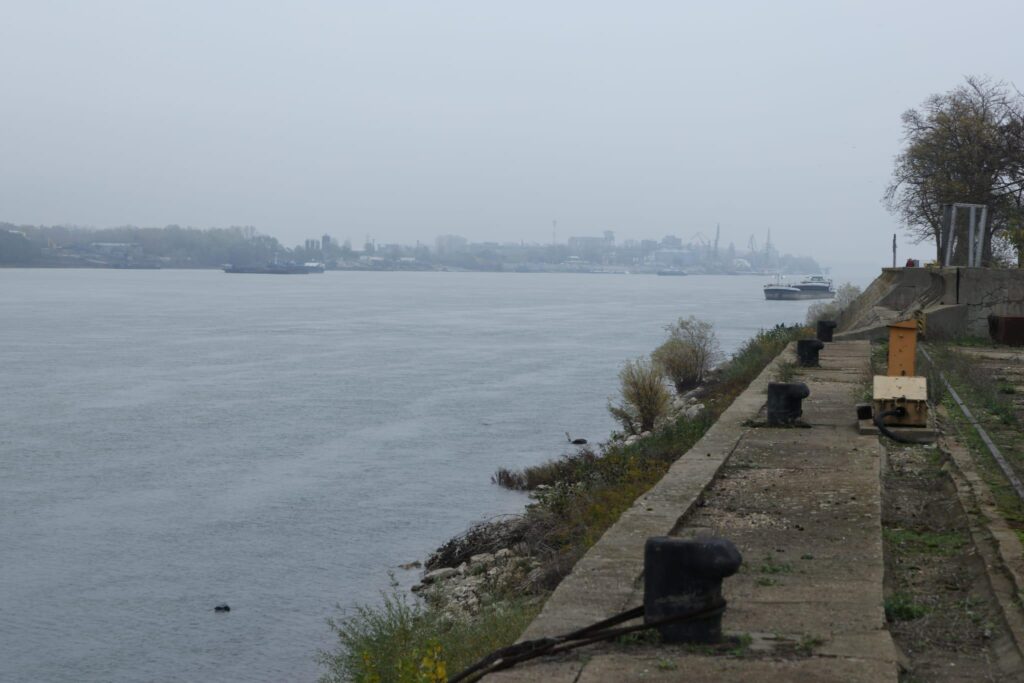
 Hungary
 Germany