

Sunflower oil pollution may persist on the Black Sea seabed for over six years
 Ukraine
05.01.2026
Ukraine
05.01.2026
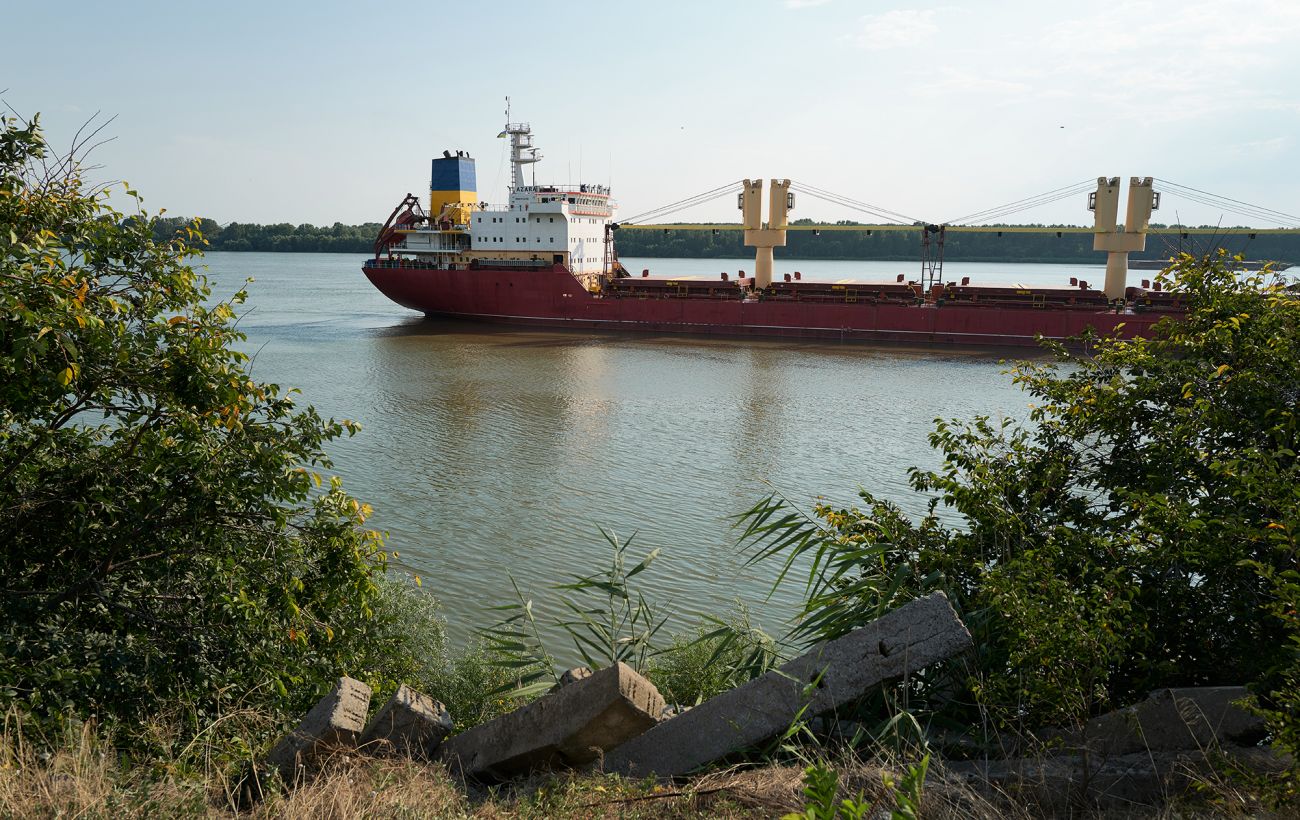
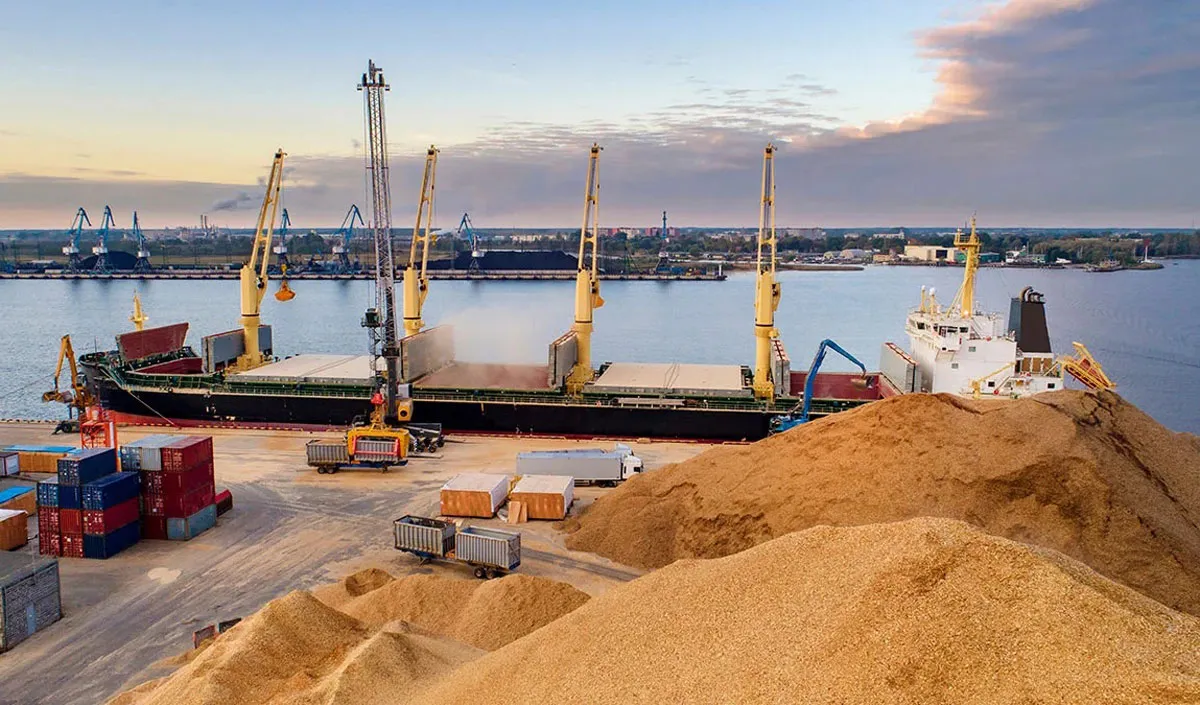
Sunflower oil pollution may remain on the seabed of the Black Sea for more than six years and therefore requires active removal and ecosystem restoration. This was reported by Greenpeace Ukraine following the spill caused by Russian attacks on port infrastructure near Odesa.
According to eyewitnesses, after the attacks on the port of Pivdennyi, sunflower oil rapidly spread over adjacent waters and reached the Adzhalytskyi Estuary, later contaminating the coastline of Odesa. Around 300 waterbirds affected by the pollution were rescued and transferred to the Odesa Zoo for rehabilitation, while the total number of impacted animals is likely much higher.
Greenpeace explains that at early stages edible oil remains on the water surface, causing suffocation and physical contamination of marine fauna, similar to oil spills. In winter conditions, sunflower oil thickens and partially solidifies, slowing down biodegradation. During decomposition it consumes dissolved oxygen, reducing its availability for fish and other aquatic organisms. After polymerisation or interaction with sediments, vegetable oil may sink and form dense layers on the seabed, depriving benthic species of oxygen.
According to NOAA data, sunflower oil spills that settle on the seabed can persist for more than six years, forming crusts or concrete-like lumps in sandy sediments.
IDR comment (Institute of Danube Research):
The Institute of Danube Research stresses that this incident has systemic implications for the ecological security of the Danube–Black Sea basin. Pollution of the Black Sea coastal waters directly affects the Danube delta, estuaries and nearshore ecosystems of the Ukrainian Danube region, which function as a single hydrological and ecological system. Even non-toxic food oil spills should be treated as environmental emergencies, requiring rapid containment, removal, long-term monitoring and improved preparedness for similar incidents under wartime risks.

 Bulgaria
 Hungary
 Romania
 Moldova
 Serbia

 Danube