

Ukraine launches 40-year concession tender for key terminals at the Port of Chornomorsk
 Ukraine
23.12.2025
Ukraine
23.12.2025
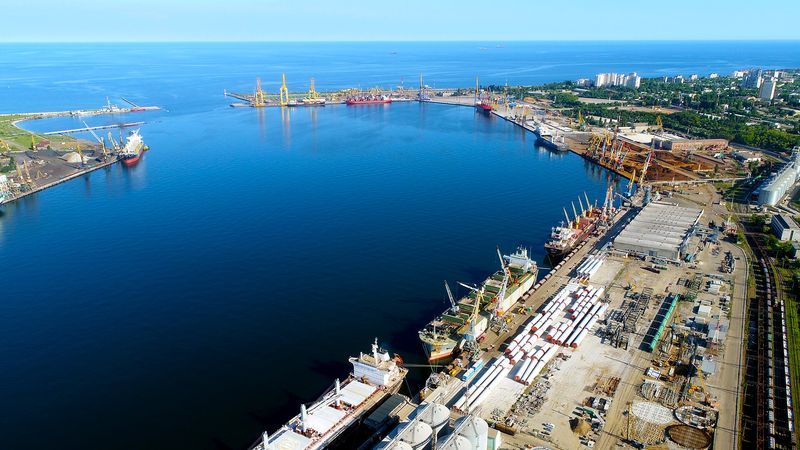
The Ministry for Communities and Territories Development of Ukraine has officially announced the launch of a concession tender for the “First” and “Container” terminals (Universal and Grain terminals) at the port of Chornomorsk.
The concession period is set at 40 years, and the procedure will be conducted in the format of a competitive dialogue.
The concession object includes assets belonging to the State Enterprise Chornomorsk Sea Trade Port, as well as port infrastructure and berths No. 1–6 managed by the Ukrainian Sea Ports Authority. It also covers assets to be newly built or acquired by the concessionaire during the implementation of the concession agreement.
According to the tender conditions, the concessionaire will be required to:
- invest in port infrastructure to achieve defined cargo handling volumes;
- finance the reconstruction of a key access overpass to the port (up to USD 4 million, VAT included);
- fulfil social obligations, including partial staff retention and maintaining wage levels for at least three years.
The deadline for submitting applications for prequalification is 75 days from the publication of the tender notice.
IDR comment on the Chornomorsk port concession
The decision to launch a 40-year concession for key terminals of the port of Chornomorsk raises serious concerns under current conditions.
First, initiating a long-term concession amid ongoing war, heightened security risks in the Black Sea, and uncertainty over future shipping volumes creates a structural imbalance in negotiations. The state risks locking in sub-optimal terms that may be difficult or impossible to revise once conditions normalize.
Second, the proposed framework appears to externalize strategic risks to the public side, while the investor’s commitments remain flexible and potentially back-loaded. The announced infrastructure obligations (including a limited road reconstruction budget) do not convincingly compensate for transferring operational control over critical port assets for four decades.
Third, the social safeguards are short-term. Guarantees related to employment and wages are limited to three years, offering insufficient protection for the workforce and raising the risk of post-guarantee downsizing and loss of institutional capacity.
From a regional perspective, advancing the concession without embedding it in a coherent Black Sea–Danube logistics strategy risks fragmenting port governance and weakening synergies between Odesa ports and the Danube cluster. The model may ultimately prioritize the commercial logic of a single operator over national export resilience and public interest.
IDR position: under current circumstances, Ukraine should prioritize temporary management solutions, phased modernization and crisis-proof investments, rather than committing a strategic seaport to a long-term concession with limited safeguards.

 Bulgaria
 Romania
 Moldova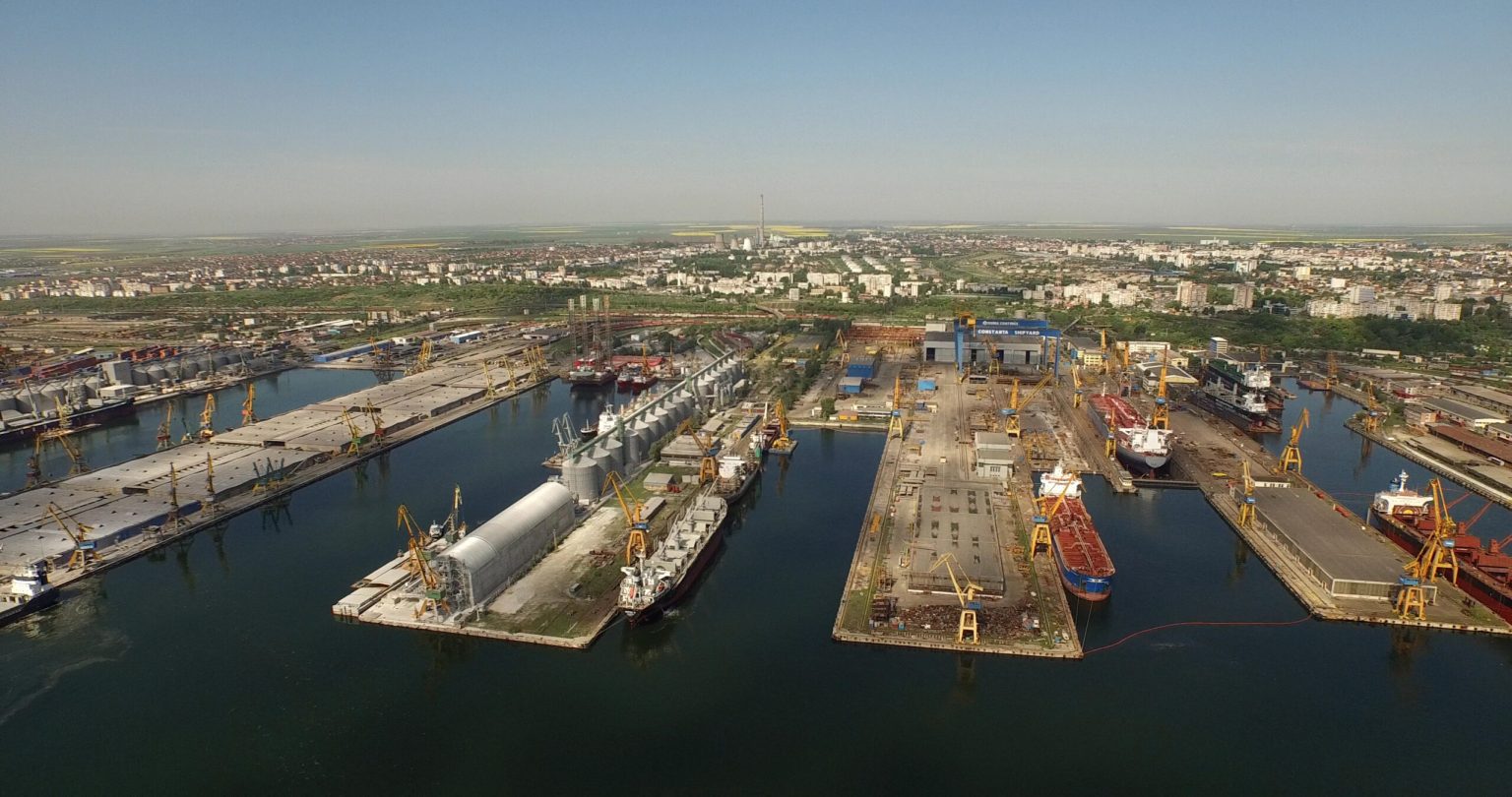



 Serbia


 Danube