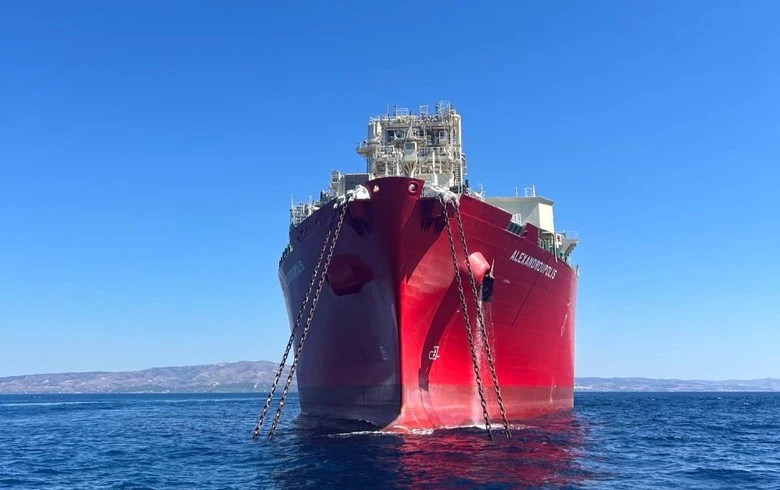


Ukraine lifts restrictions on diesel imports from the Port of Giurgiulești
 Ukraine
01.12.2025
Ukraine
01.12.2025
Ukraine has lifted the ban on importing diesel fuel from Moldova’s Port of Giurgiulești. According to market participants, the restrictions were removed last Friday, although a noticeable revival of shipments has not yet been seen, enkorr reports.
Traders interviewed by the publication view the reopening without much optimism, primarily as an additional competitive factor for Ukrainian Danube and Black Sea ports. Logistically, the Giurgiulești route is not superior to Ukrainian ports, but price fluctuations may occasionally destabilize the market.
The decision to unblock the port comes amid intensified government efforts to expand fuel import and storage capacities due to the threat of new Russian attacks on Ukraine’s energy infrastructure. Over the past week, three coordination meetings chaired by Deputy Minister of Energy Mykola Kolisnyk were held to assess the fuel market and outline next steps.
In October, the Security Service of Ukraine identified several ports that had received oil products of Russian origin. Giurgiulești was included in this list due to recorded deliveries from small Russian ports. The restrictions applied only to diesel fuel; imports of gasoline continued.
According to the A-95 Consulting Group, Ukraine imported 304,000 tonnes of diesel from Moldova in 2023 (about 5% of total imports). After the ban was introduced, supplies dropped sharply — to 9,000 tonnes in 2024.
IDR Analytical Commentary
Giurgiulești’s role in regional energy resilience
The Port of Giurgiulești, Moldova’s only seaport connected to the Danube and Black Sea transport corridors, is an important alternative route for fuel supplies to Ukraine, especially amid risks to the ports of the Odesa region.
Security-related risks
The unblocking decision supports Ukraine’s strategy to diversify critical supply chains, yet several risks persist:
- possible inflows of products of uncertain origin,
- competition with Ukrainian Danube ports (Reni, Izmail, Ust-Dunaisk),
- infrastructure limitations of the Giurgiulești terminal.
Impact on “Greater Odesa” and Ukrainian Danube ports
Potential advantages:
- diversification of routes under crisis conditions,
- reduced pressure on Ukrainian ports during attacks,
- increased price competition.
Potential drawbacks:
- redirection of cargo flows,
- reduced profitability for Ukrainian port operators,
- risk of market volatility due to “grey” imports.
Strategic recommendations
1) A Ukraine–Moldova agreement on transparency of fuel origin.
2) Strengthened security and customs control of the Giurgiulești–Odesa route.
3) Development of joint storage capacities with Moldova and Romania.
4) Integration of Giurgiulești into regional energy security systems under EUSDR and CEF.
5) Accelerated modernization of Ukrainian Danube ports to maintain competitiveness.


 Danube


 Bulgaria
 Moldova
 Romania


 Serbia
 Hungary


 Germany