

Ukrainian Maritime Corridor and the role of Danube ports: resilience of exports under wartime conditions
 Ukraine
17.12.2025
Ukraine
17.12.2025
Since the launch of the Ukrainian Maritime Corridor, more than 162 million tonnes of cargo have been transported, including over 98 million tonnes of grain, with nearly 7,000 vessels passing through the route. According to RAIL.insider, citing the Ministry for Communities and Territories Development of Ukraine, the corridor remains a crucial pillar of global food security.
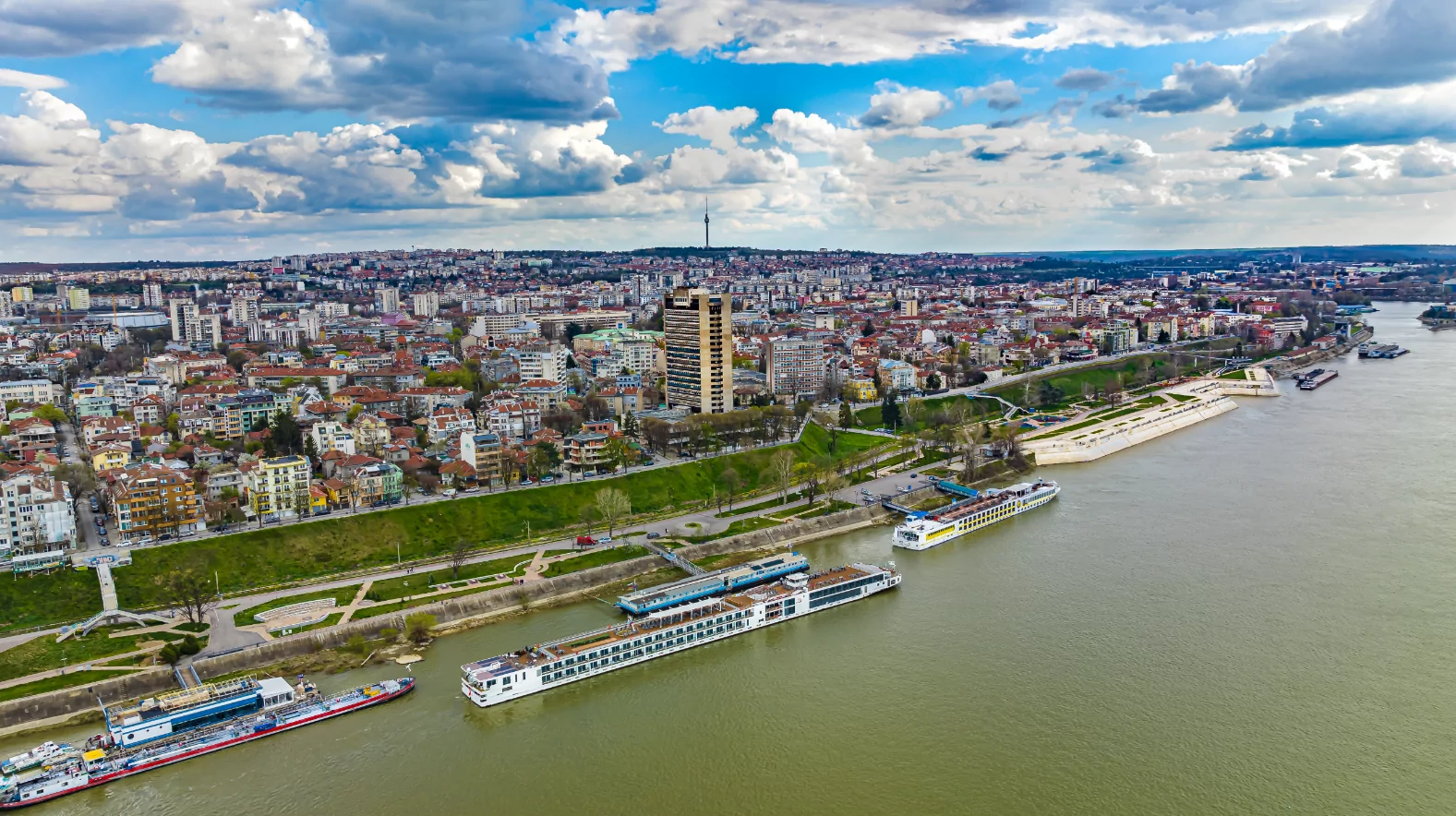
A key component of this system has been the Danube ports of Izmail, Reni, and Ust-Dunaisk, which have provided a stable alternative export route amid disruptions to traditional Black Sea shipping. The Danube direction has ensured continuity of agricultural exports to the EU, the Mediterranean, and North Africa, significantly reducing logistical risks.
At the same time, enhanced port security measures and energy resilience investments — including shelters for port workers, backup power supply systems, and cogeneration units — allow Danube ports to operate even under combined military and energy attacks.
Comment by the Institute of Danube Research :
“The ports of Izmail, Reni, and Ust-Dunaisk have effectively become a strategic logistics backbone of the Ukrainian Maritime Corridor. Their performance highlights the importance of the Danube as a transport artery and underscores the need for further investments in safety, dredging, multimodal connectivity, and integration with the EU transport network. This experience should shape Ukraine’s post-war recovery and future port policy.”


 Danube



 Bulgaria
 Moldova
 Romania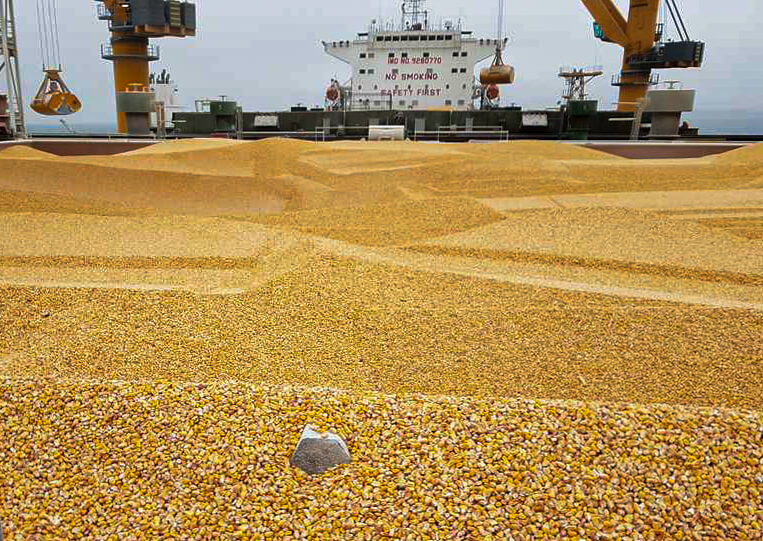



 Serbia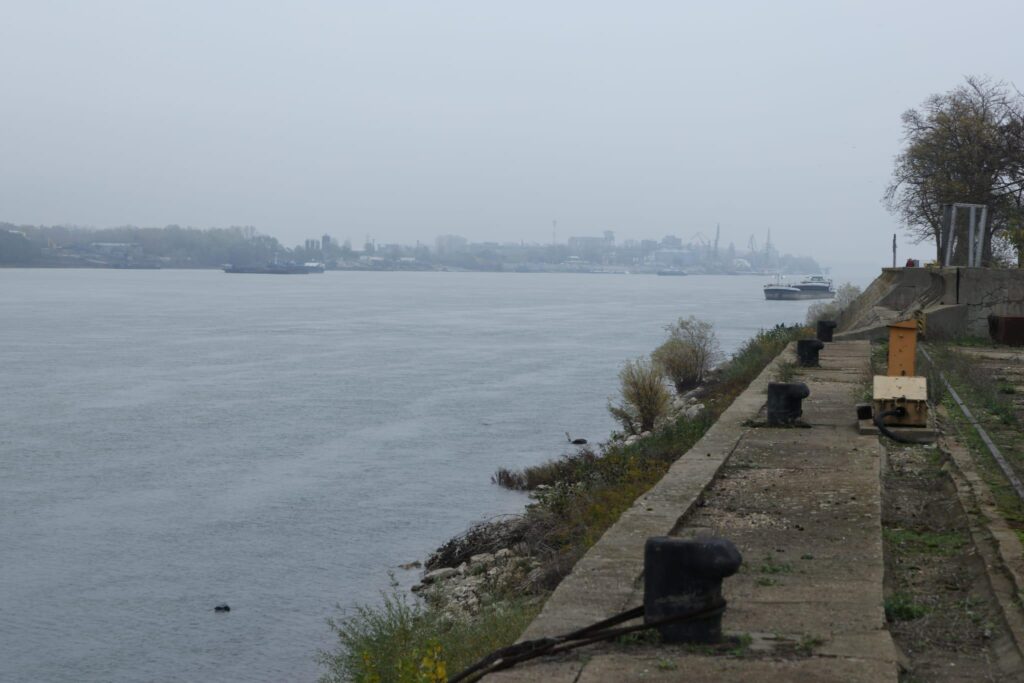
 Hungary


 Germany