

World Bank and EBRD project to restore Danube ports within the Ukraine Investment Framework
 Ukraine
29.10.2025
Ukraine
29.10.2025
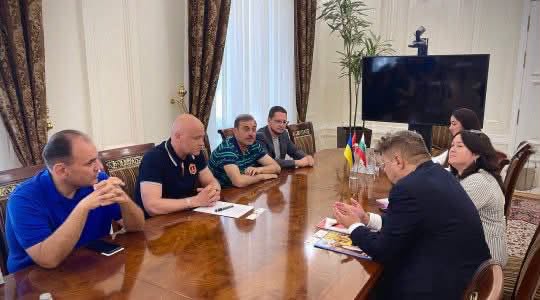
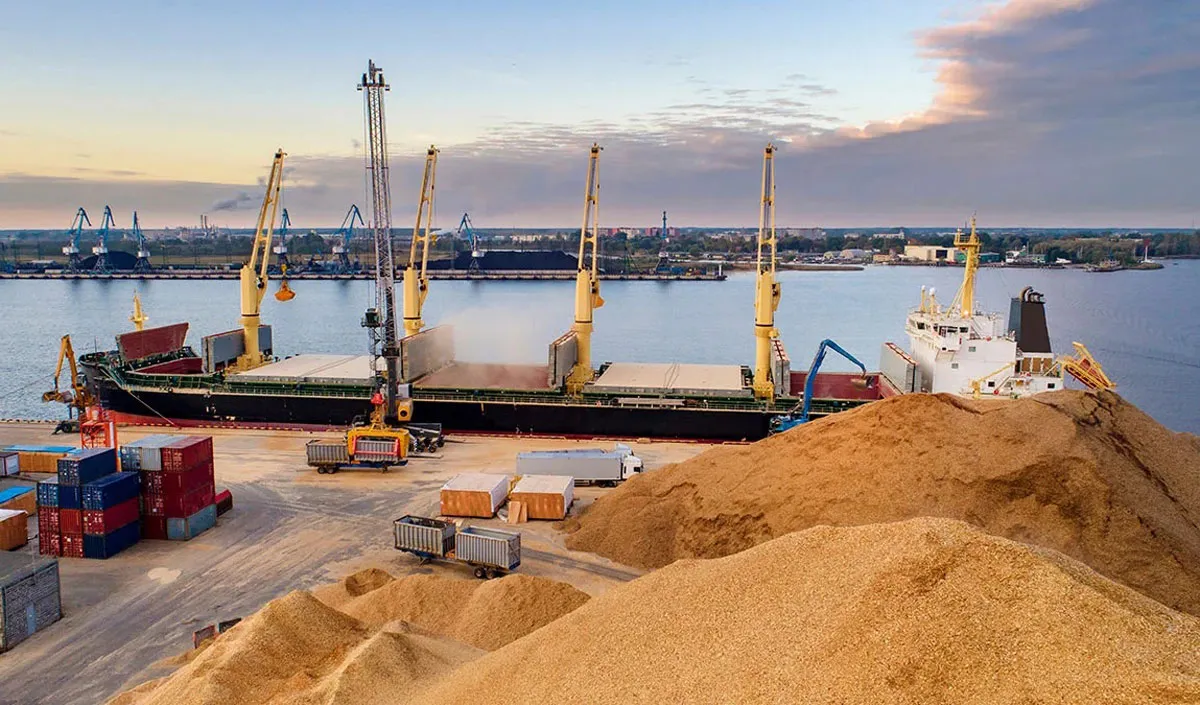
The Ukraine Investment Framework (UIF) Steering Committee has approved funding for new infrastructure projects, including the restoration of Danube ports. The announcement was made by the Ministry for Communities, Territories and Infrastructure Development of Ukraine.
The total resource envelope of the UIF amounts to €9.4 billion, of which €6.2 billion has already been allocated. Following the fifth meeting of the committee, 11 new projects were approved, three of which are coordinated by the Ministry.
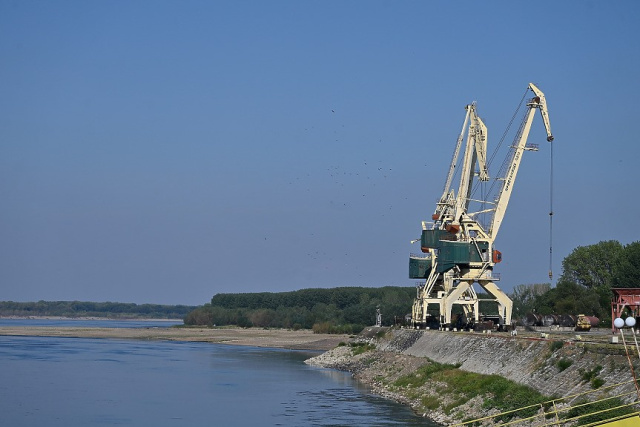
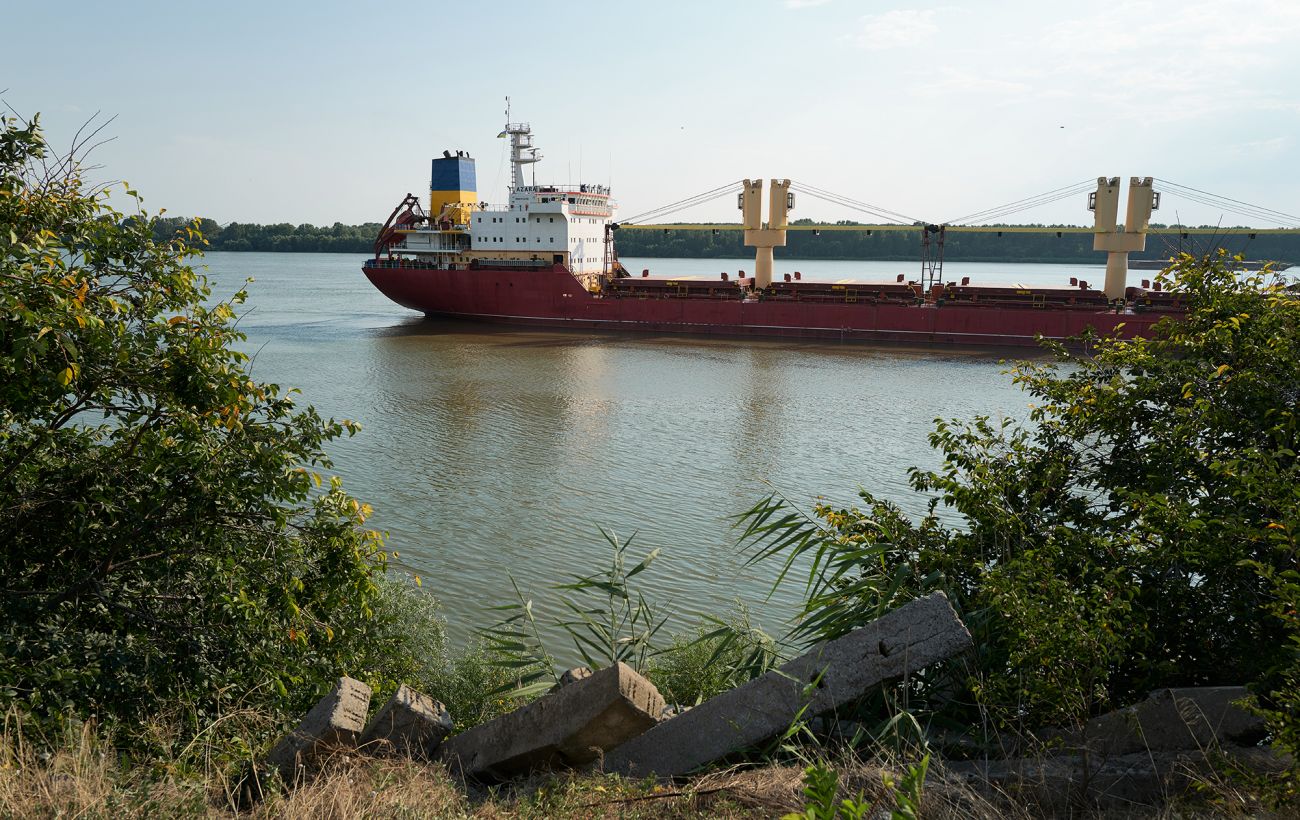
Among them is the joint World Bank and EBRD project “RELINC” (Restoration of Logistics Infrastructure in Ukraine), which provides for the rehabilitation of Danube ports, modernization of border crossing points, as well as rail and road infrastructure.
“Our common challenge is to find additional co-financing opportunities, mobilize resources, and accelerate project implementation. In the context of constant attacks on infrastructure, speed and flexibility are critically important,” — emphasized Deputy Minister Maryna Denysiuk.
Earlier, Ukrainian Shipping Magazine reported that within the RELINC project, the Ukrainian Sea Ports Authority announced a tender for the purchase of an oil recovery vessel for the Danube ports — an important step in strengthening the environmental safety system of the region.
Comment by the Institute of Danube Research :
The inclusion of Danube ports in the RELINC project marks a major step toward restoring Ukraine’s logistics resilience and “green” connectivity. The ports of Izmail, Reni, and Ust-Dunaisk are becoming critical nodes in the Trans-European Transport Network (TEN-T), providing alternative export and humanitarian corridors.
Cooperation between the EBRD, World Bank, and the Government of Ukraine under UIF paves the way for a systemic modernization of the Danube logistics cluster, including digitalization of port services, energy efficiency, and environmental protection. This aligns with the EU Strategy for the Danube Region (EUSDR) and Ukraine’s path toward integration into the European transport space.

 Bulgaria
 Hungary
 Romania
 Moldova
 Serbia

 Danube