

Around 125 Vessels Accumulate at Sulina After a Week-Long Navigation Suspension
 Danube
05.10.2026
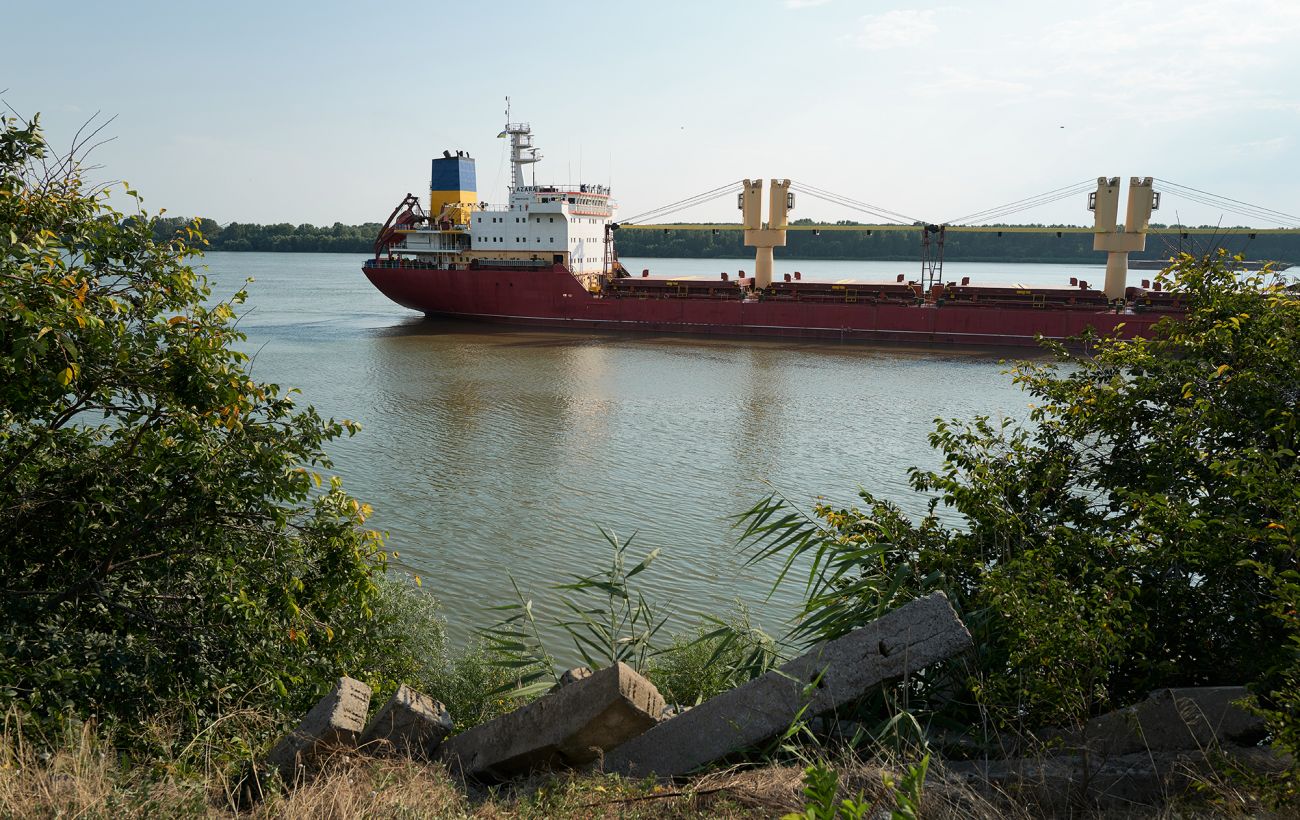
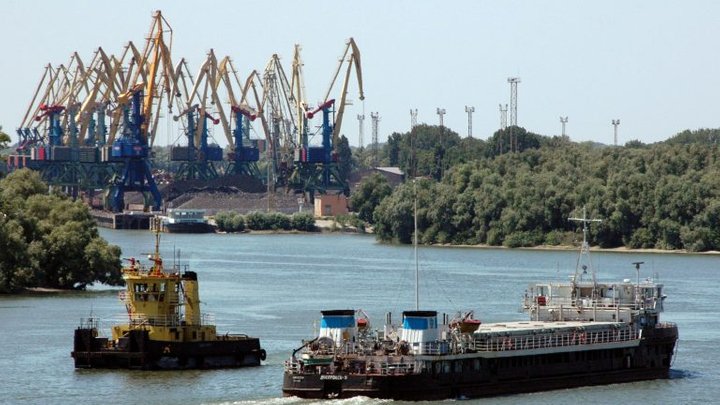
Around 125 vessels have accumulated on the approaches to the Sulina Canal following a prolonged suspension of navigation caused by adverse weather conditions. The canal has remained closed to shipping for almost a week.
At present, around 80 vessels are waiting to enter the canal, while approximately 45 are waiting to exit. The backlog is increasing pressure on Danube logistics and delaying cargo movements across the region.
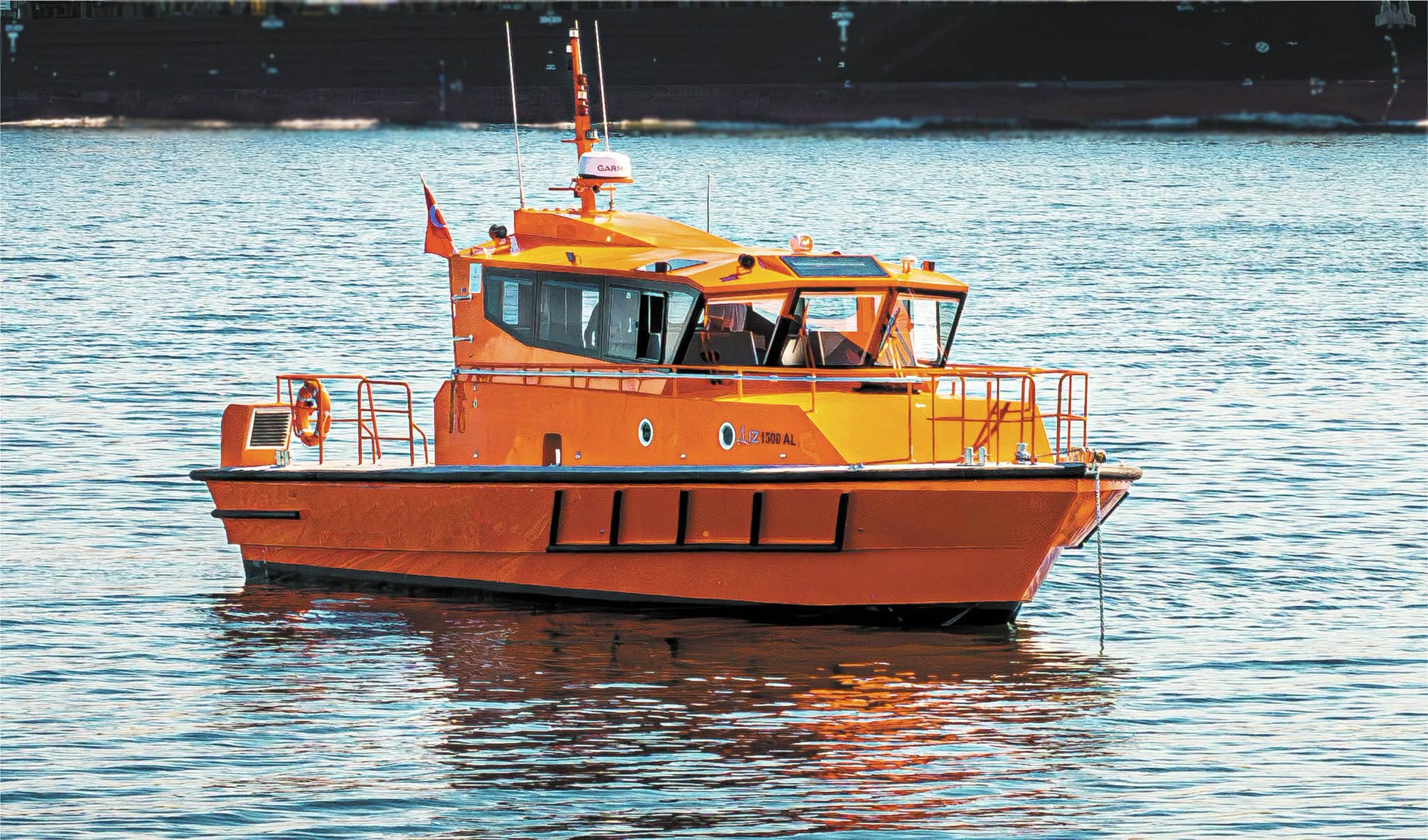
Once navigation resumes, operators plan to deploy the maximum available number of pilots on the 36–44 nautical mile section. The immediate priority will be to reduce the queue of vessels waiting to exit and to clear the canal as quickly as possible.
Market participants expect the first days after reopening to be particularly difficult, as operators will have to handle accumulated traffic while simultaneously processing new vessel movements.
The situation at Sulina remains important for Danube exports because prolonged interruptions to navigation quickly create congestion and increase the risk of delays in agricultural cargo transportation.
Comment by the Institute of Danube Research
The Institute of Danube Research notes that the current situation once again demonstrates the high dependence of Danube logistics on the stable operation of the Sulina Canal.
The accumulation of around 125 vessels over a relatively short period shows how quickly a temporary interruption can develop into broader logistical delays. Reopening the canal does not resolve the problem immediately: vessels already within the system must first be cleared while new traffic is gradually restored.
This is particularly important for Ukrainian Danube ports, as delays at Sulina affect not only individual vessels but the entire logistics chain — port call schedules, freight rates, vessel waiting times and the fulfilment of export contracts.
The planned maximum deployment of pilots after navigation resumes is a positive operational measure. At the same time, the situation highlights the need for further improvement in traffic management and coordination among ports, shipowners and the Romanian authorities.
Sulina remains a critical element of the Danube export corridor. The speed at which normal vessel traffic is restored after such interruptions directly affects the competitiveness and reliability of the entire Danube logistics route.

 Romania

 Hungary
 Ukraine


 Moldova


 Bulgaria



 Serbia