

Bulgaria Discusses the Prospects of a Romania–Bulgaria–Greece Railway Corridor
 Bulgaria
16.07.2026
Bulgaria
16.07.2026
A roundtable entitled “Strategic Transport Links and Regional Development: Economic Effects of the Romania–Bulgaria–Greece Railway Corridor” was held in the Bulgarian town of Troyan.
The discussion brought together members of the Bulgarian National Assembly, representatives of regional and local authorities, mayors and deputy mayors, transport specialists, engineers, and infrastructure planning experts.
The event focused on the prospects for establishing a strategic North–South railway axis that could connect Romania, the central regions of Bulgaria, and the Greek ports on the Aegean Sea. Particular attention was paid to the possibility of developing a modern railway connection across the central part of the Balkan Mountains.
The roundtable was hosted by Donka Mihaylova, Mayor of Troyan Municipality and one of Bulgaria’s most experienced and respected local government leaders.
According to Donka Mihaylova, the participants were united by a common vision for regional development and by an understanding of the importance of a potential railway corridor passing through the municipalities of central Bulgaria.
“The roundtable in Troyan was marked by very positive energy, a shared commitment to the development of the region, and an understanding of the role that a possible Romania–Greece railway corridor could play if it passes through our municipalities. Among the numerous proposals for joint partnership efforts, several concrete, pragmatic and forward-looking ideas stood out. We continue,” she wrote on social media.
During the forum, participants discussed potential railway routes, their economic benefits for the state and municipalities, and the possible impact of a North–South connection on the development of Central Northern and Central Southern Bulgaria.
Railway infrastructure across the Balkan Mountains remains one of the key structural challenges within Bulgaria’s transport network. Steep gradients, low operating speeds and the lack of a modern direct link between the northern and southern parts of the country force passenger and freight traffic to use longer alternative routes.
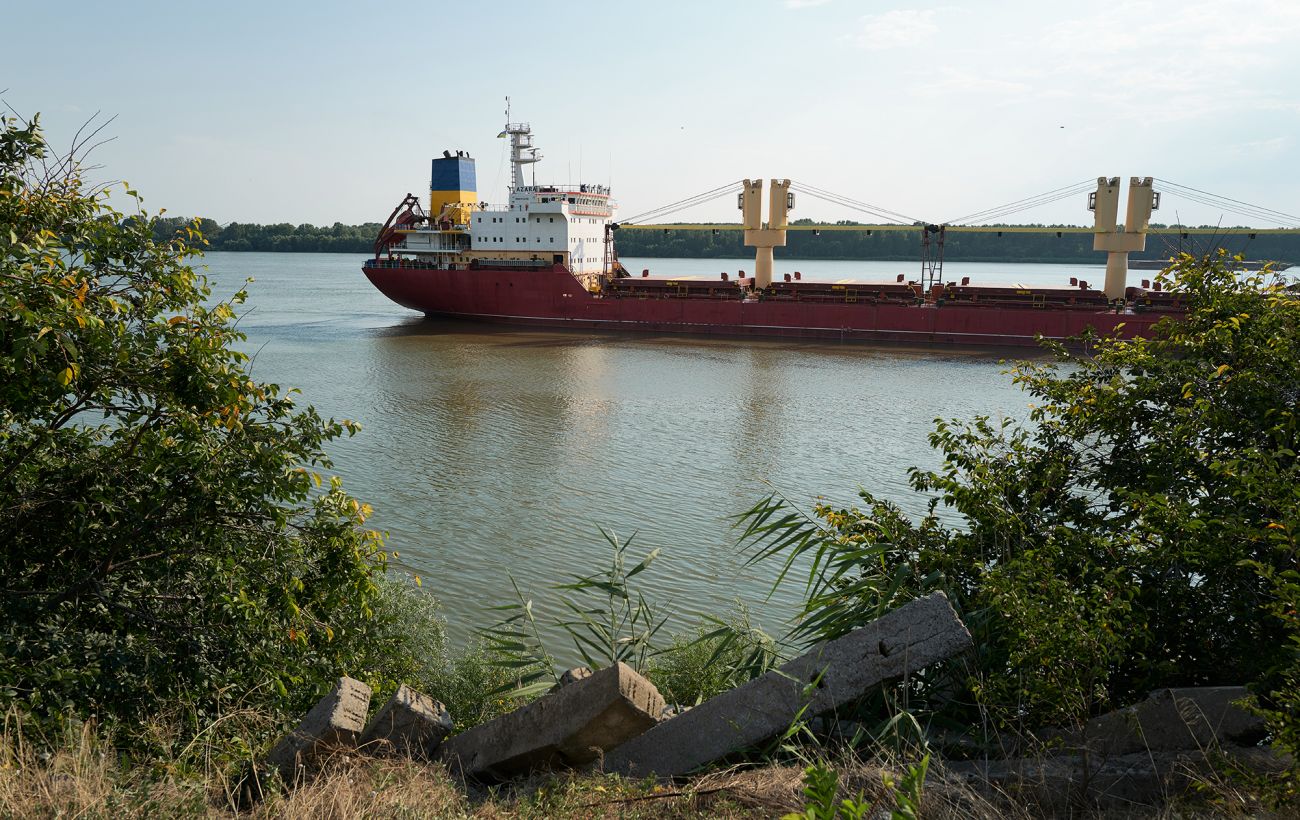
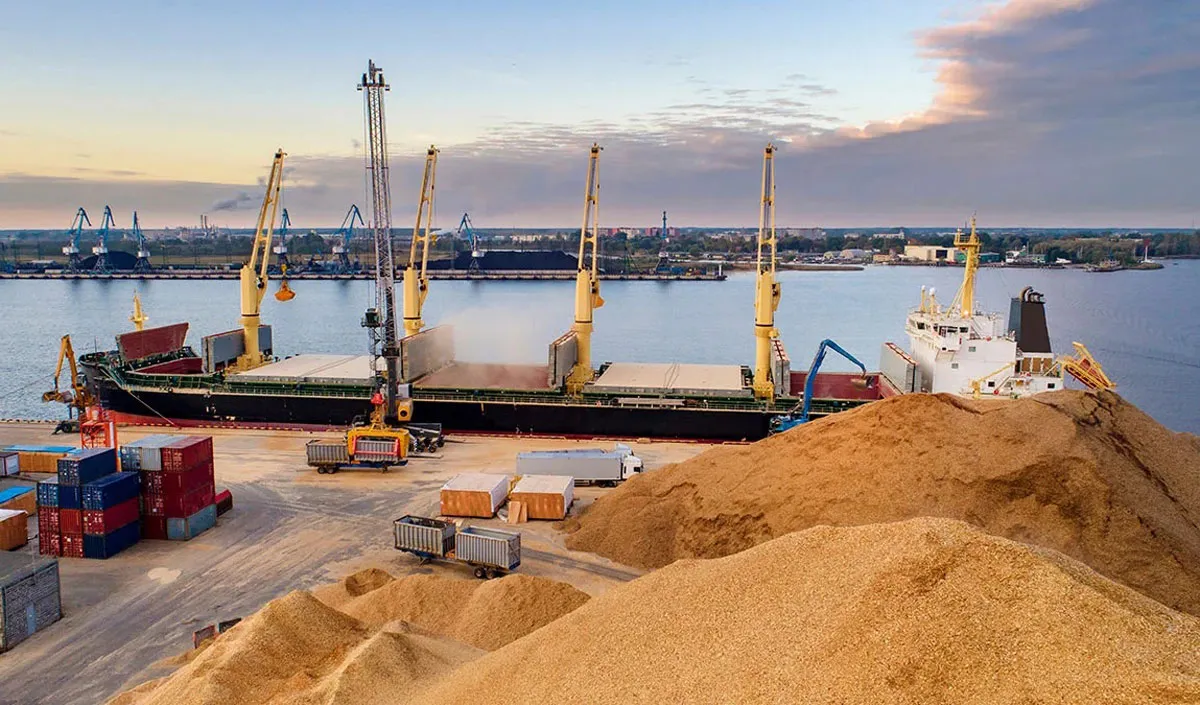
The prospective corridor could connect Danube and Black Sea ports with the ports of the Aegean Sea, creating a new multimodal transport axis between South-Eastern, Central and Northern Europe. In the longer term, it could attract part of the freight traffic moving between the Middle East, the Balkans and Central Europe.
Comment by the Institute of Danube Research
The initiative to establish a Romania–Bulgaria–Greece railway corridor has significance that extends well beyond the transport policies of the three countries concerned. It represents an opportunity to create a full-scale European North–South axis connecting the Danube Region with the ports of the Aegean Sea.
Such a route could complement the traditional transport corridors that are predominantly oriented from east to west. It would create conditions for the diversification of logistics flows, the development of intermodal transport and the greater resilience of the transport system of South-Eastern Europe.
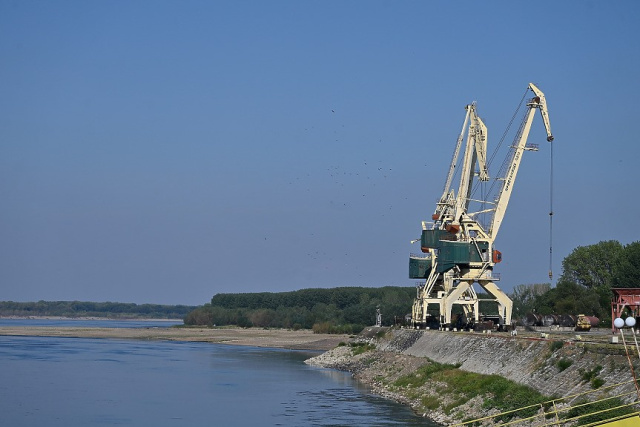
The project is particularly important for the Danube ports of Romania and Bulgaria. An efficient railway connection with Greek ports could help form an integrated logistics area linking the Danube, the Black Sea and the Aegean Sea.
At the same time, the implementation of the corridor will require more than political support. It will also require coordinated feasibility studies, the selection of an optimal route, the modernisation of border and railway infrastructure, and the inclusion of the project in European transport planning and financing mechanisms.
The development of this transport axis is also of strategic interest to Ukraine. In the future, it could be connected with Ukrainian Danube ports and railway routes through Romania, expanding Ukraine’s access to the transport networks of the Balkan Peninsula and the ports of the Mediterranean basin.
The Institute of Danube Research believes that further work on the corridor should be carried out through interstate cooperation involving national governments, municipalities, railway operators, port authorities, expert institutions and the business community.


 Hungary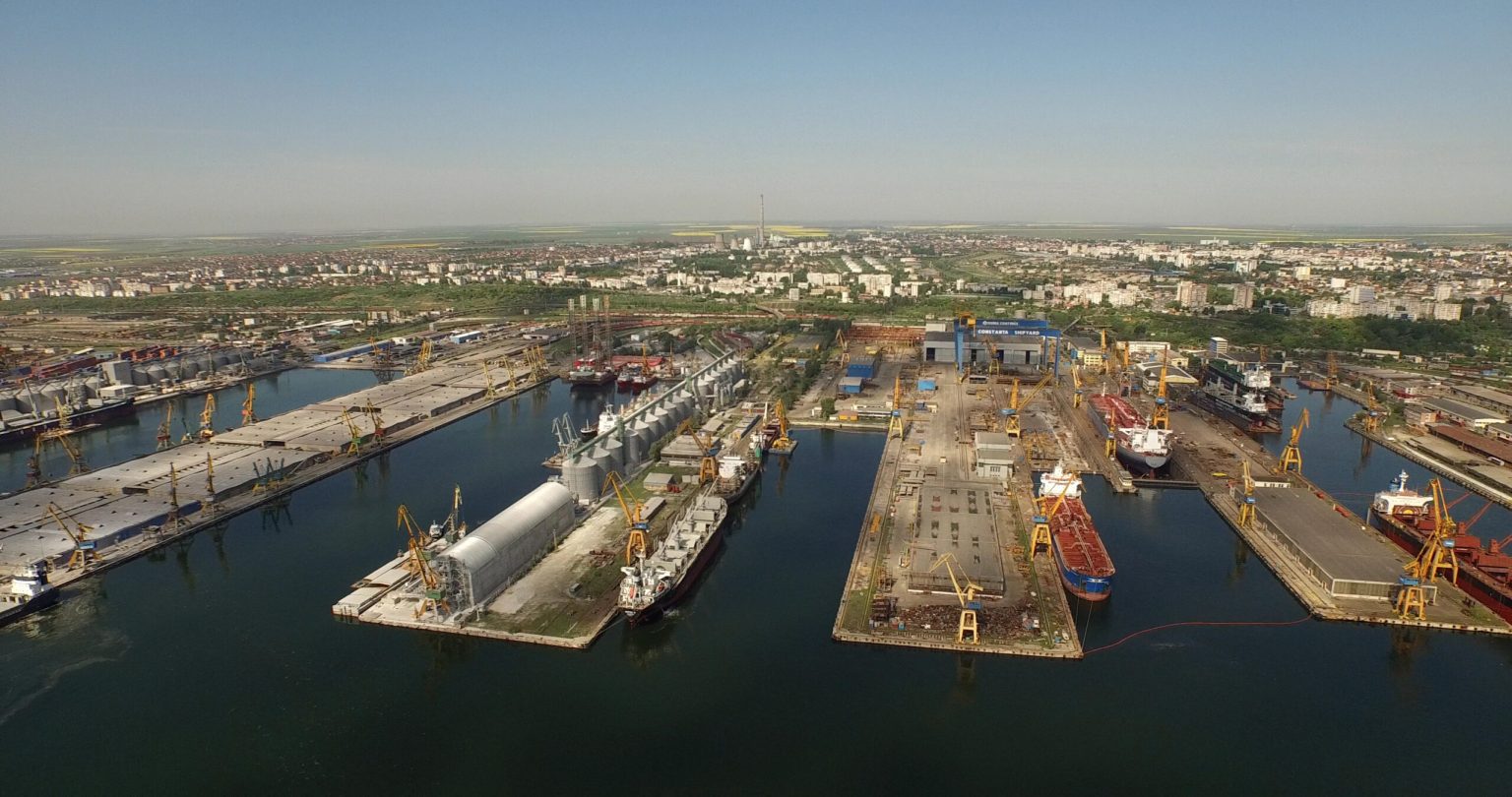
 Romania
 Ukraine
 Moldova
 Serbia

 Danube