

Bulgaria Nominates Ivelin Zanev for Director General of the Secretariat of the Danube Commission
 Bulgaria
01.10.2026

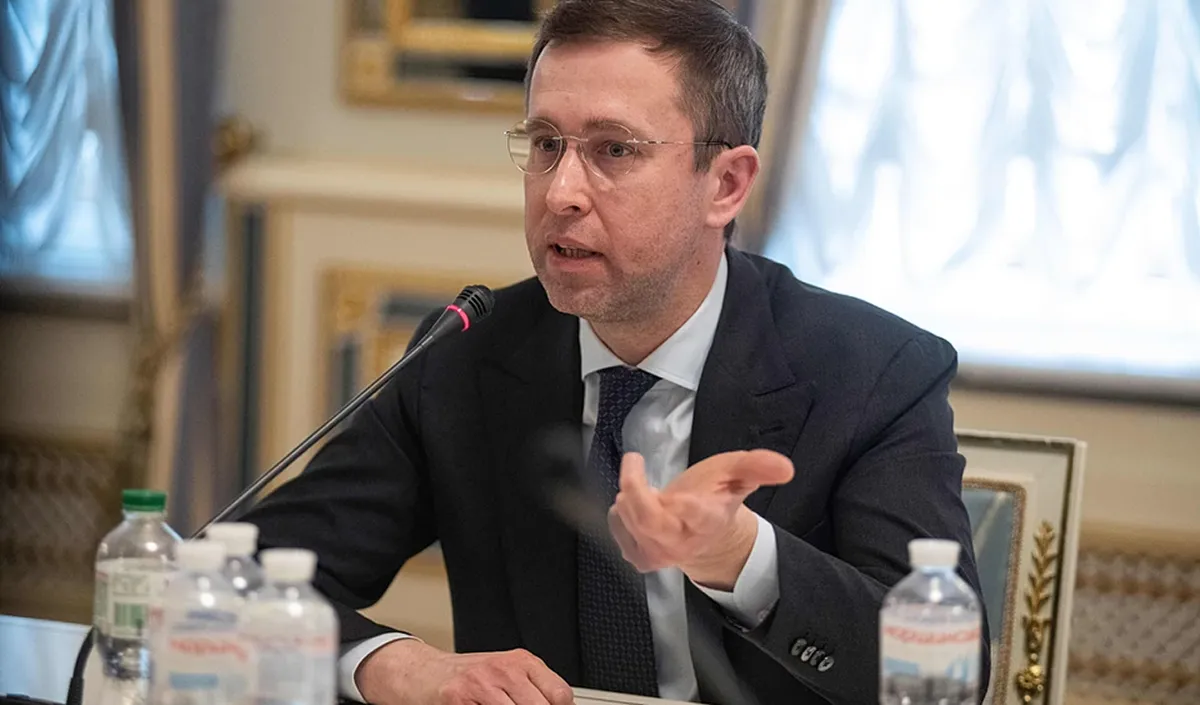
The Bulgarian government has officially approved the nomination of Ivelin Zanev for the position of Director General of the Secretariat of the Danube Commission. The decision was adopted by the Bulgarian Council of Ministers upon a proposal from the Ministry of Transport and Communications.
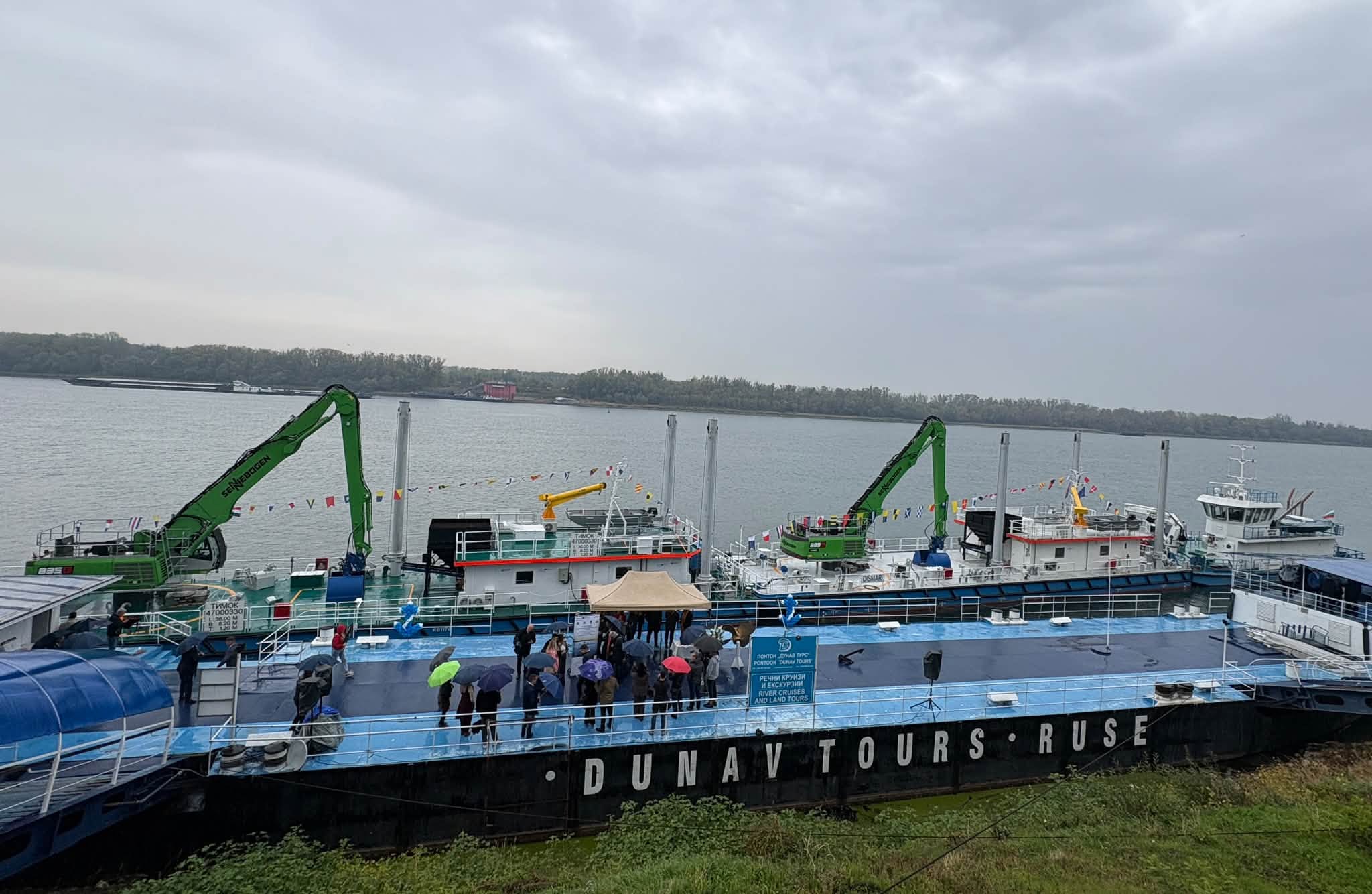
Ivelin Zanev currently heads the Executive Agency for Exploration and Maintenance of the Danube River in Ruse and serves as Bulgaria’s Deputy Representative to the Danube Commission. He has many years of professional experience in Danube navigation, inland waterways, maintenance of the navigable fairway and public administration.
Zanev’s professional career has for many years been directly connected with the management of the Bulgarian section of the Danube. Since 2015, he headed the Navigation Channel Maintenance Directorate within the agency, and in November 2022 he became its Executive Director.
Zanev also actively participates in international formats dealing with navigation on the Danube. In 2026, he took part in the work of expert bodies of the Danube Commission addressing low-water conditions, fairway maintenance, dredging and the provision of stable navigation conditions.
His nomination comes at a time when the Danube Commission faces new challenges related to adapting inland waterway transport to climate change, modernising infrastructure and responding to the growing importance of the Lower Danube within European transport corridors.
Comment by the Institute of Danube Research
The Institute of Danube Research notes that the nomination of a specialist whose professional career is directly linked to the practical maintenance of the navigable waterway is indicative of the current stage in the development of the Danube Commission.
“Today, the Danube requires not only diplomatic coordination but also a highly practical management approach. Low-water periods, changes in river morphology, the need for regular dredging, digitalisation of navigation and the growing importance of the Lower Danube for European transport corridors are turning the technical maintenance of navigation into a strategic issue.
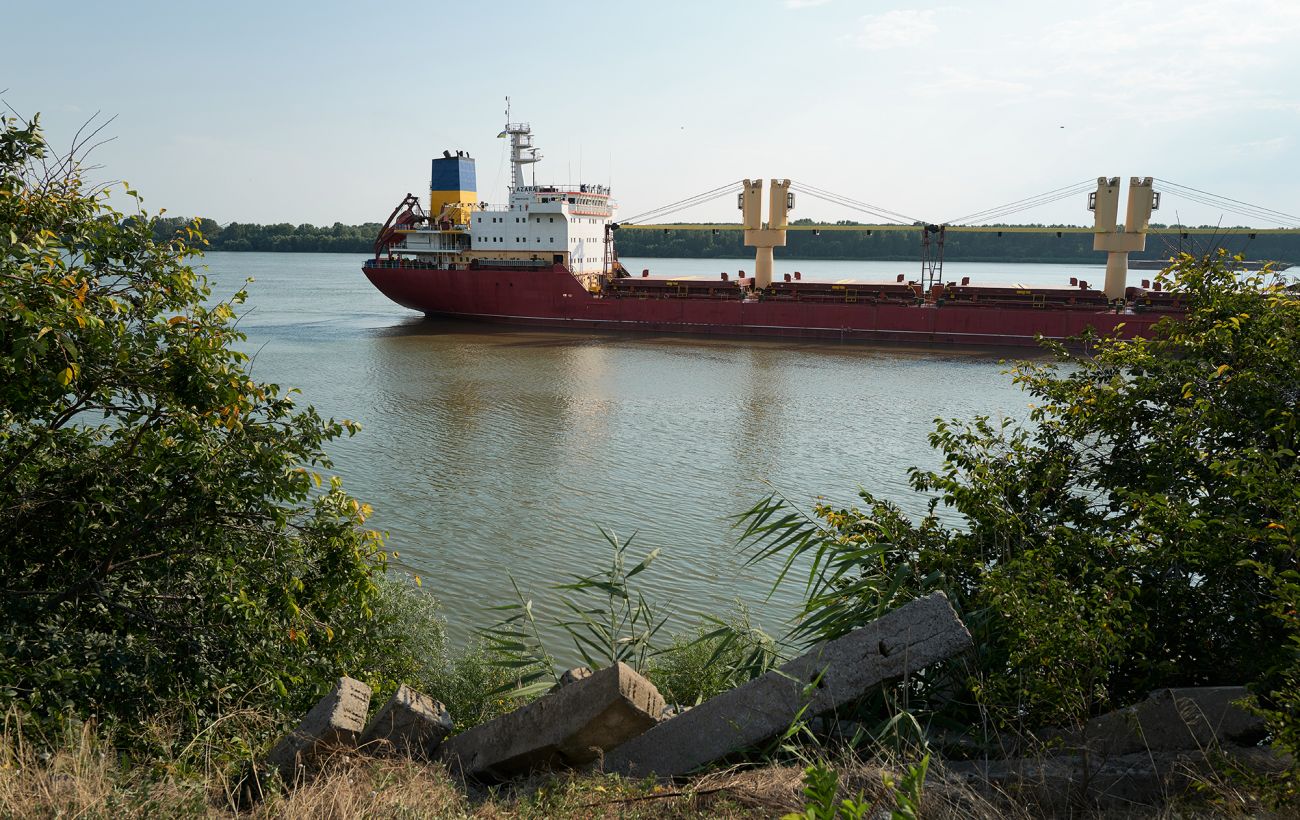
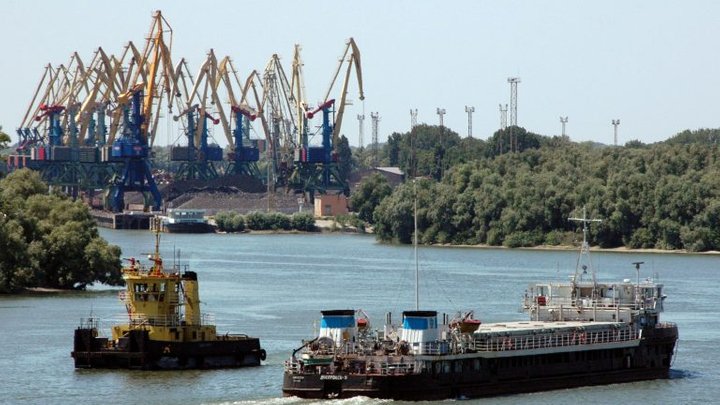
This is particularly important for the Ukrainian-Romanian-Bulgarian section of the Danube. Since 2022, the transport significance of the Lower Danube has increased substantially, while the efficiency of Ukrainian ports increasingly depends on coordinated action by the waterway administrations of neighbouring states.
The future leadership of the Secretariat of the Danube Commission will therefore face an important task: to combine the Commission’s international legal framework with practical solutions aimed at maintaining guaranteed navigation parameters, removing infrastructure bottlenecks and adapting the Danube to increasingly frequent periods of low water.
For Ukraine, it is essential that freedom and safety of navigation, the development of the Lower Danube and the full integration of Ukrainian Danube ports into the European transport system remain at the centre of this work,” the Institute of Danube Research stated.
The Institute also stresses that prolonged periods of low water and the need to maintain guaranteed navigation parameters have already become systemic challenges for the entire Danube region. In the coming years, the effectiveness of coordination between states, waterway administrations and ports will largely determine the competitiveness of the Danube as one of Europe’s key transport corridors.

 Romania

 Hungary
 Ukraine

 Moldova

 Danube

 Serbia