

Bulgaria’s Electricity Production Rises by 6.8%, Consumption by 6.6%
 Bulgaria
05.08.2026
Bulgaria
05.08.2026
Electricity production in Bulgaria has maintained positive growth since the beginning of 2026. Between 1 January and 2 August, total power generation reached 25,950 GWh, representing a year-on-year increase of 6.84%.
According to Bulgaria’s Electricity System Operator, ESO, domestic electricity consumption rose by 6.55% during the reporting period, reaching 24,288 GWh. Production therefore grew slightly faster than demand, enabling the country to maintain an electricity surplus.
Bulgaria’s net electricity trade balance amounted to a surplus of 1,663 GWh, compared with 1,494 GWh during the corresponding period of 2025. The country’s net electricity export potential consequently increased by approximately 11%.
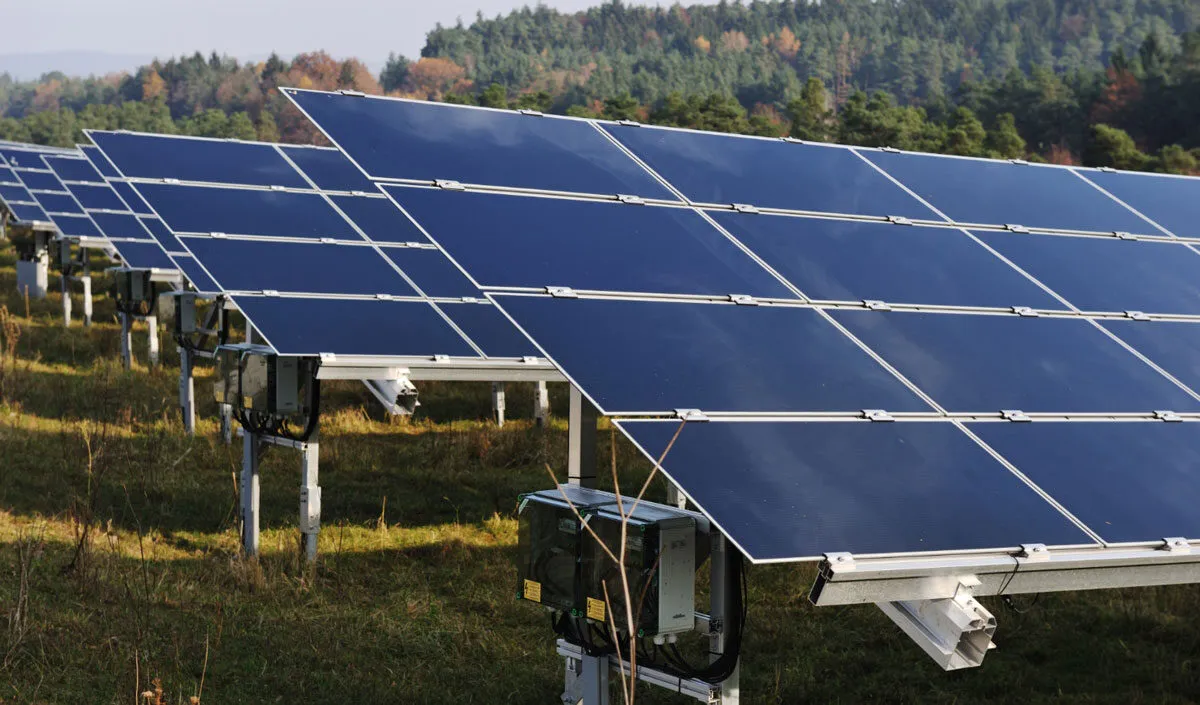
Significant growth was also recorded in the renewable energy sector. Renewable electricity supplied to the transmission grid increased by 13.44% year on year to 2,773 GWh. Renewable generation connected to the distribution grid rose by 5.08% to 2,598 GWh.
Hydropower recorded the strongest increase. Bulgarian hydroelectric power plants generated 3,337 GWh between 1 January and 2 August, compared with 1,751 GWh during the same period of the previous year. Hydropower production therefore increased by more than 90%.
Comment by the Institute of Danube Research
The increase in Bulgaria’s electricity production demonstrates the national energy system’s capacity to adapt to rising domestic demand. Particularly important is the fact that generation growth has been accompanied by a continued electricity surplus, strengthening Bulgaria’s position as an electricity exporter in South-Eastern Europe.
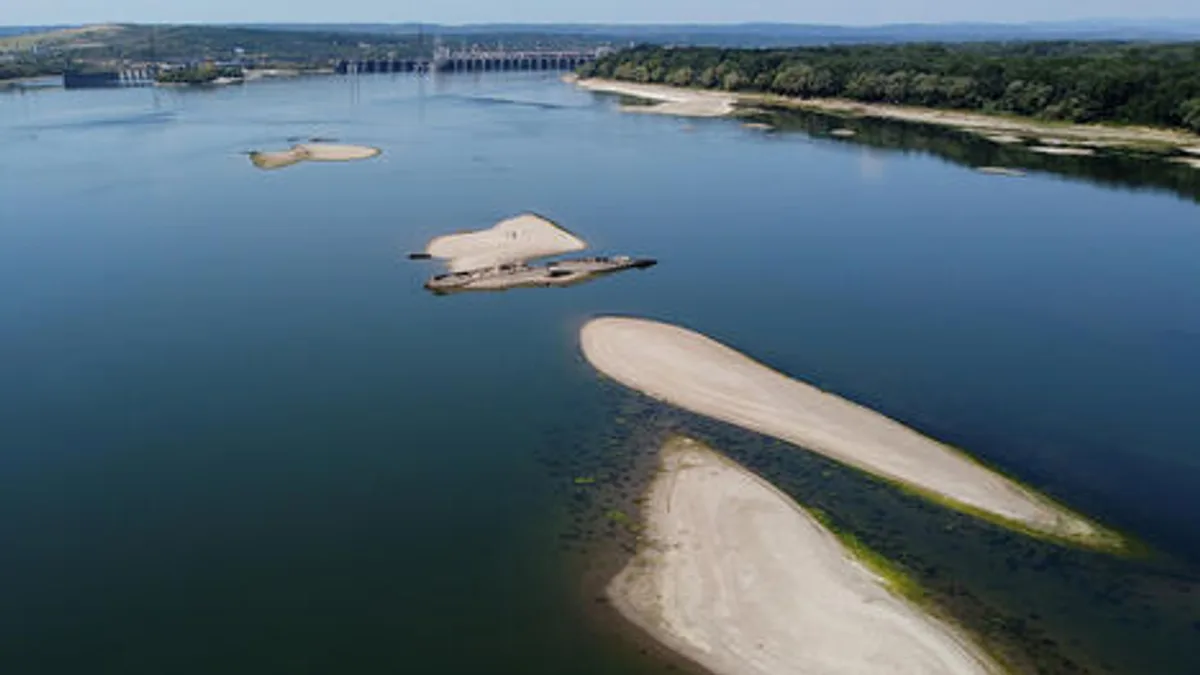
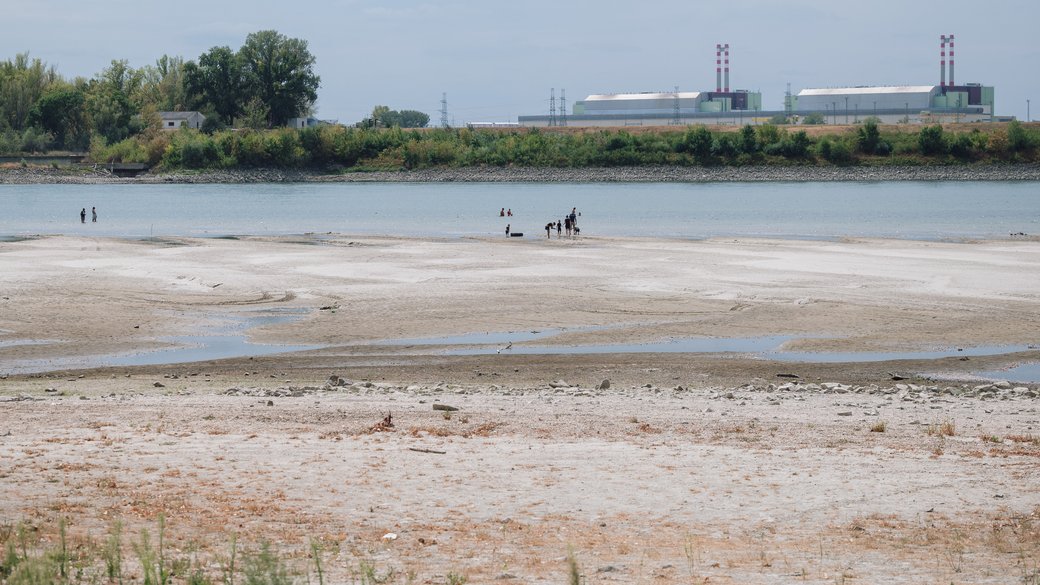
At the same time, the structure of this growth highlights the increasing dependence of energy-sector performance on hydrological and meteorological conditions. The near doubling of hydropower generation was one of the principal factors behind the overall increase in production.
However, this development cannot be regarded as a guaranteed long-term trend. River flows and reservoir levels are becoming increasingly dependent on irregular precipitation, prolonged droughts and other climate-related anomalies.
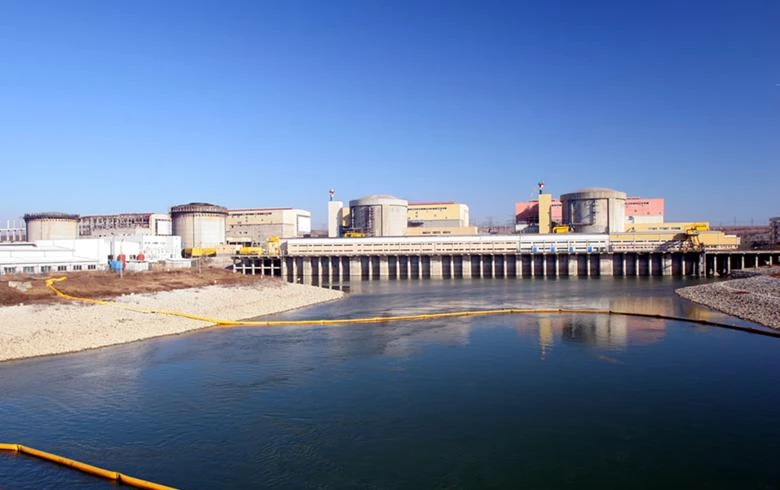
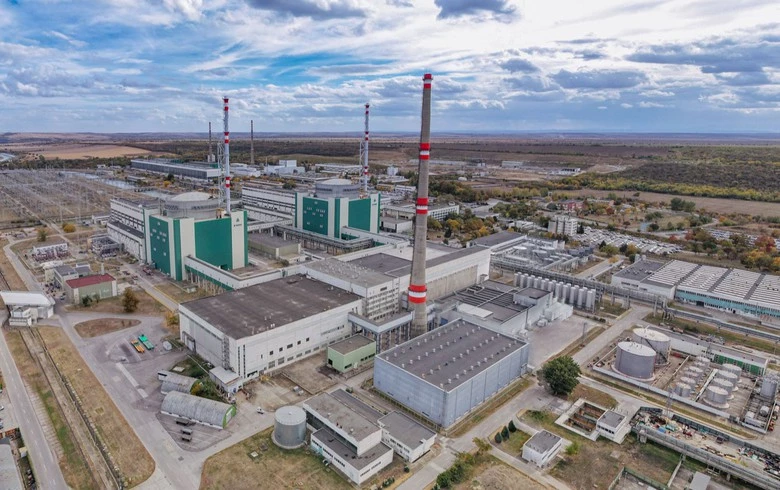
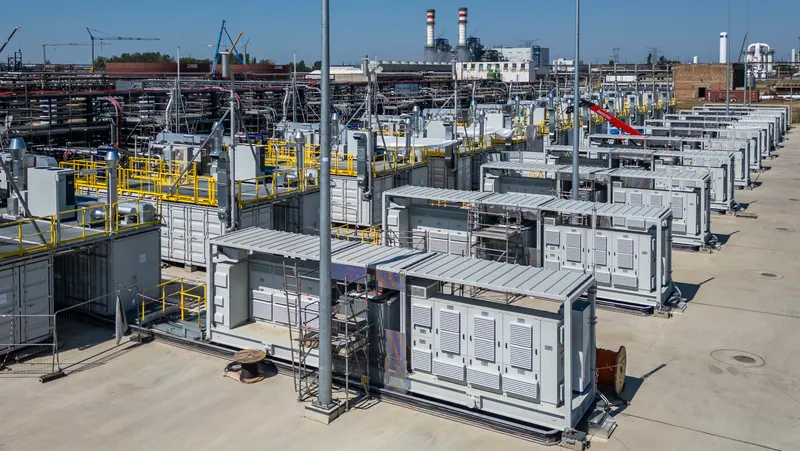
For Bulgaria, as for other Danube-region countries, maintaining a balanced combination of nuclear, thermal, hydropower, solar and wind generation is becoming strategically important. The expansion of renewable energy creates new opportunities for decarbonisation but also increases the need for energy-storage systems, flexible generating capacity and modernised electricity networks.
The Institute of Danube Research notes that Bulgaria’s electricity surplus has both national and regional significance. Strengthening cross-border electricity interconnections between Bulgaria, Romania, Greece, Serbia and other neighbouring countries could help offset national shortages, reduce price volatility and improve the overall resilience of energy supply.
The current indicators are positive. Nevertheless, the strategic objective should extend beyond increasing generation volumes to developing a flexible energy system capable of operating reliably during droughts, periods of peak consumption and the rapid expansion of variable renewable generation.


 Hungary
 Romania
 Ukraine
 Moldova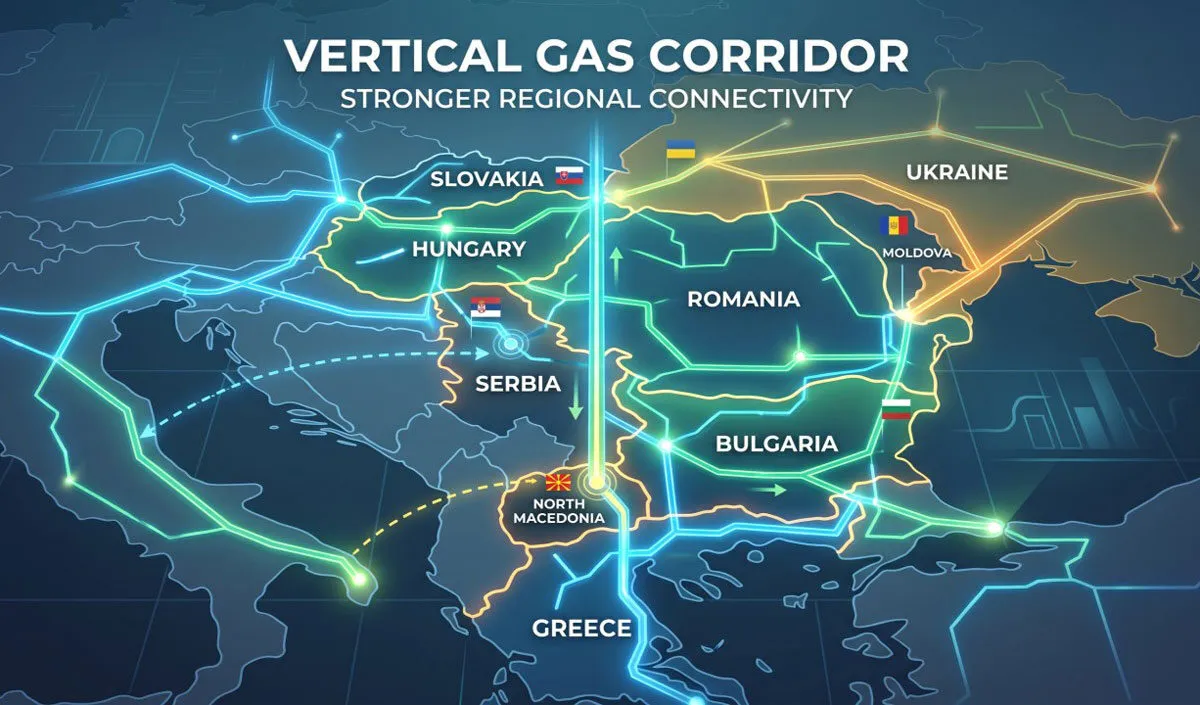
 Serbia
 Danube