

Bulgaria’s Kozloduy NPP Could Shut Down if Danube Water Level Falls Another 30 cm — Expert
 Bulgaria
12.08.2026
Bulgaria
12.08.2026
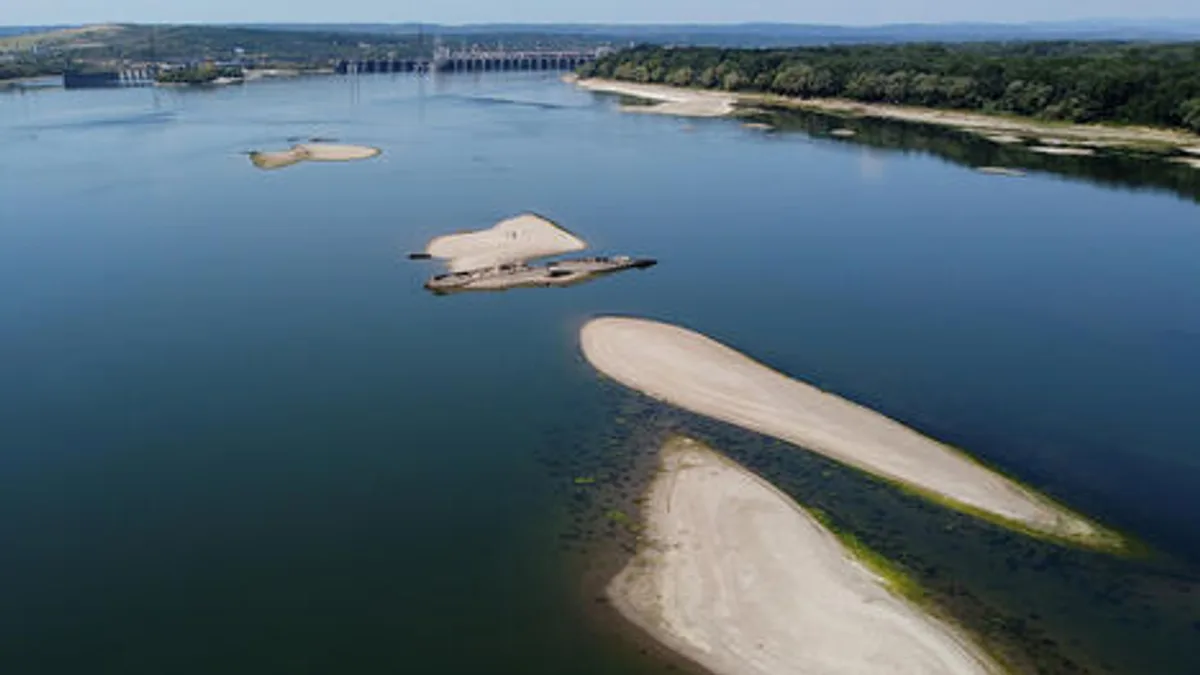
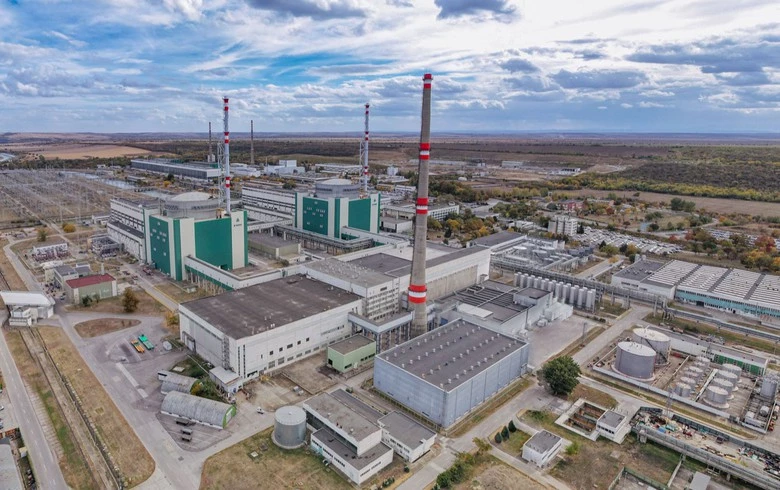
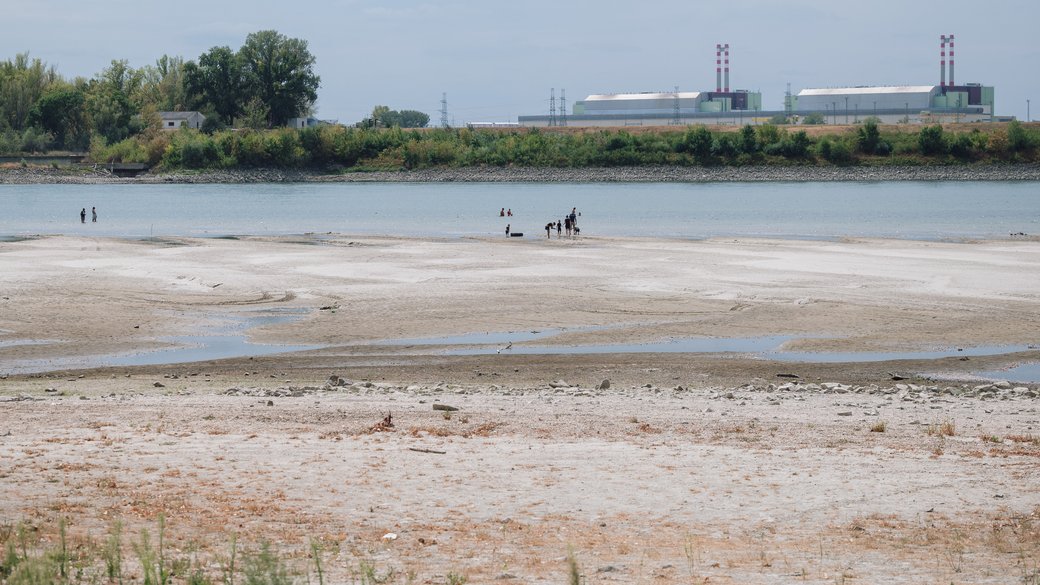
A further decline in the Danube water level could create critical constraints for the operation of Bulgaria’s Kozloduy Nuclear Power Plant. If the river level on the Bulgarian section falls by another 30 centimetres, the plant may be forced to halt electricity generation.
This was stated by Georgi Kaschiev, former chairman of the Kozloduy NPP board and a nuclear energy expert.
According to him, only 10–12 centimetres remain before the first critical threshold is reached, at which point the plant would have to begin reducing its power output.
As of August 11, Kozloduy NPP’s two operating 1,000 MW units continued to work according to the electricity generation schedule. However, Bulgaria’s Ministry of Energy warned that critically low water levels in the Danube are expected to persist in the coming days.
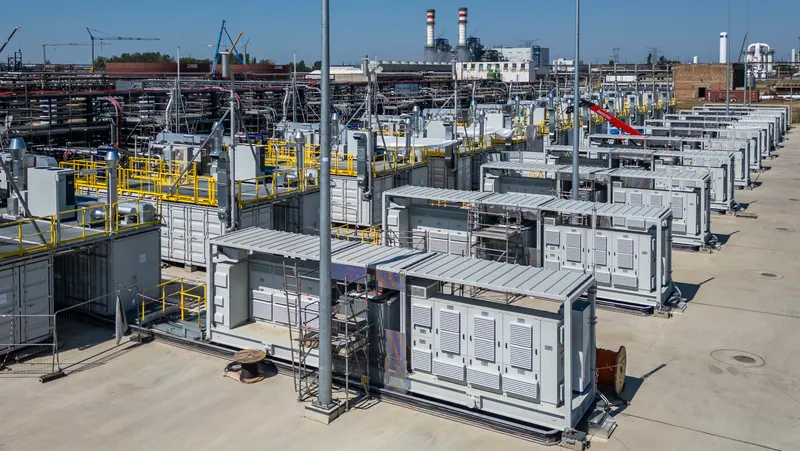
The plant has already implemented a range of technical and organisational measures to maintain operations. These include ensuring the functioning of the riverbank pumping stations that supply water to the circulation systems and technical cooling-water systems.
Kozloduy NPP is also clearing the channels connecting the Danube with the riverbank pumping station in order to maximise water intake. Reservoir levels are being maintained at the highest possible level, while heat exchangers using Danube water are undergoing preventive cleaning.
Despite these measures, the situation remains serious and requires continuous technical monitoring.
According to Kaschiev, a further fall in the river level could cause cavitation in the pumps, making their continued operation impossible.
“If the pumps at the plant have to be switched off, water supply will stop, the turbine condensers will no longer be able to cool, and the plant will have to shut down,” the expert explained.
The situation in Bulgaria is developing against the background of similar problems elsewhere in the Lower and Middle Danube region.
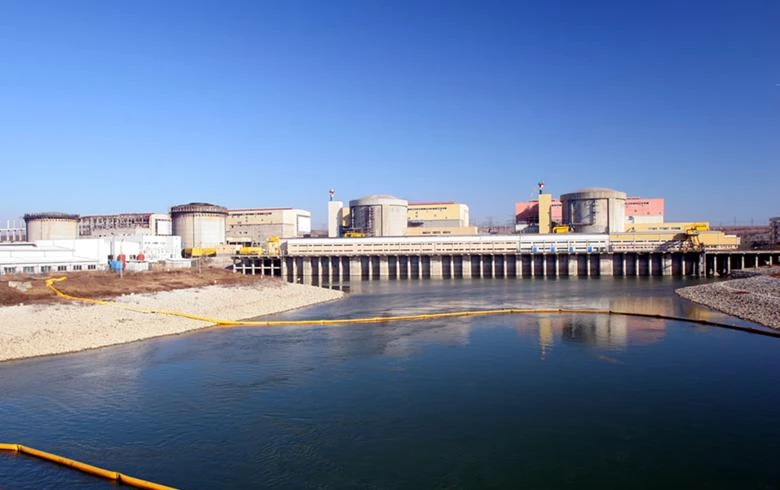
Romania’s Nuclearelectrica, the operator of the Cernavodă Nuclear Power Plant, has also warned of a possible controlled shutdown of Unit 2 due to exceptionally low Danube water levels caused by prolonged drought.
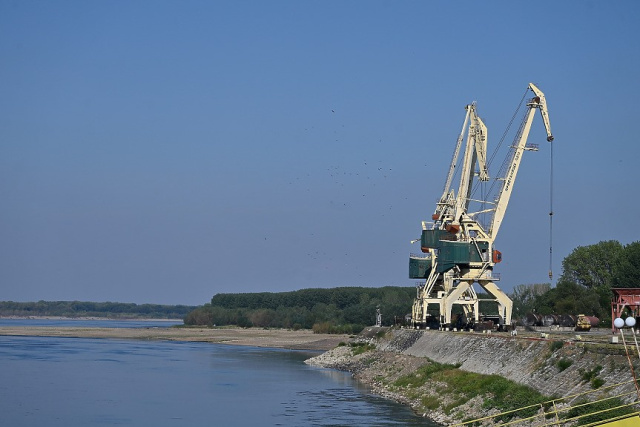
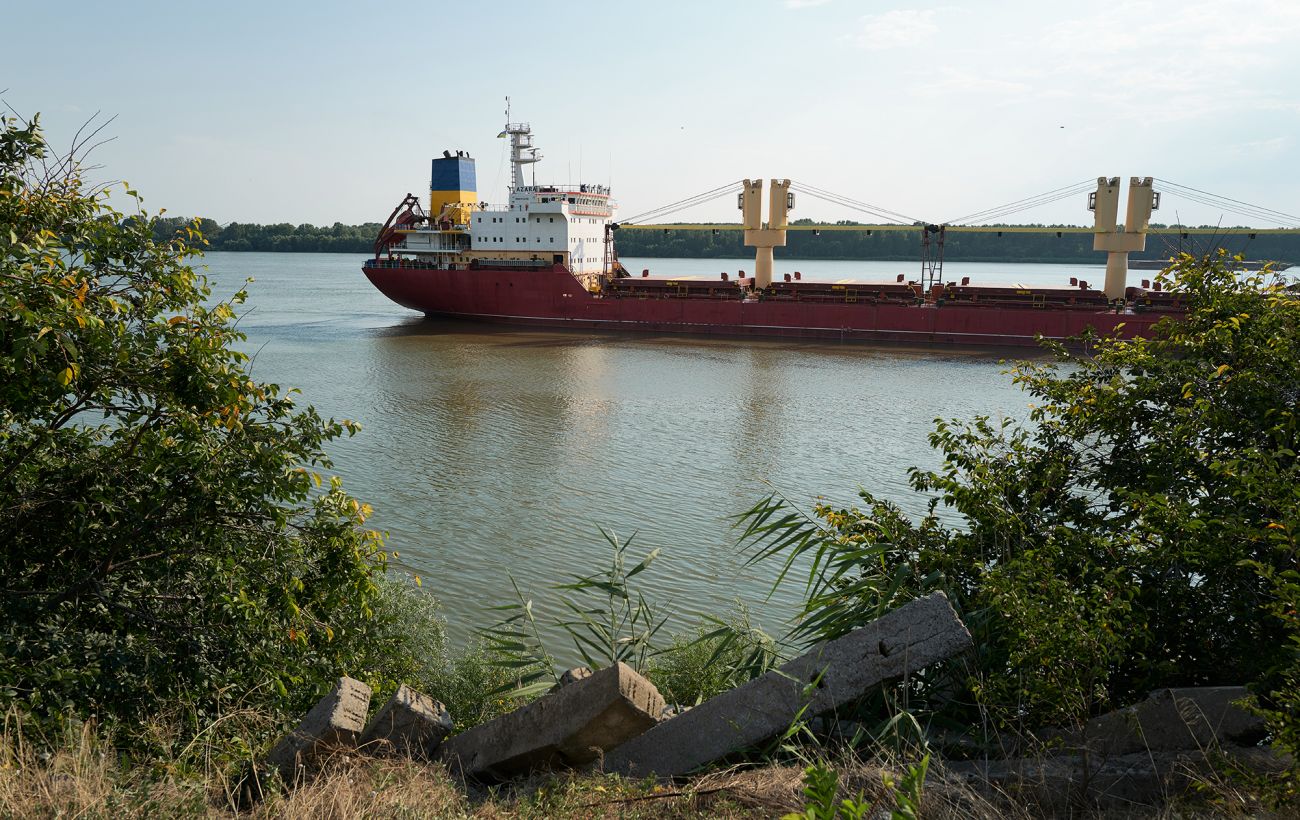
Thus, the severe decline in the river’s water level is increasingly affecting not only navigation and ecosystems, but also the operation of critical energy infrastructure across the Danube region.
Comment by the Institute of Danube Research
The Institute of Danube Research notes that the situation surrounding the Kozloduy and Cernavodă nuclear power plants demonstrates the systemic nature of the current hydrological crisis on the Danube.
Low water levels can no longer be viewed solely as a problem for inland navigation. Water scarcity simultaneously affects transport, energy, industry, agriculture and aquatic ecosystems. Thermal and nuclear power generation are particularly sensitive because major rivers serve as a source of technical water and as an essential element of cooling systems.
Kozloduy and Cernavodă clearly illustrate the extent to which the energy security of Lower Danube countries depends on the stability of the river’s hydrological regime. If prolonged low-water periods become more frequent, the issue may evolve from a seasonal operational constraint into a structural factor in energy-system planning.
The situation also requires a broader regional approach. Difficulties related to cooling and water availability at energy facilities in different parts of the Danube basin indicate an increasingly close interdependence between climate change, water security and energy security.
In the Institute’s view, Danube countries should develop a joint system for assessing hydrological risks to critical infrastructure. Such a system should combine long-term river-flow forecasting, coordination between energy operators, modernisation of water-intake infrastructure and contingency scenarios for electricity systems under extremely low-flow conditions.
For Ukraine, this trend is also of strategic importance. The Danube is simultaneously a major transport artery, an ecological system and an element of cross-border infrastructure security. Adaptation to low-water conditions should therefore be regarded not merely as an environmental issue, but as one of the pillars of a comprehensive resilience policy for the entire Lower Danube.
The developments around the Kozloduy and Cernavodă nuclear power plants demonstrate a new regional reality: the water level of the Danube is increasingly determining not only the conditions for navigation, but also the reliability of electricity supply in the countries of the region.


 Hungary
 Romania
 Ukraine
 Moldova
 Serbia

 Danube