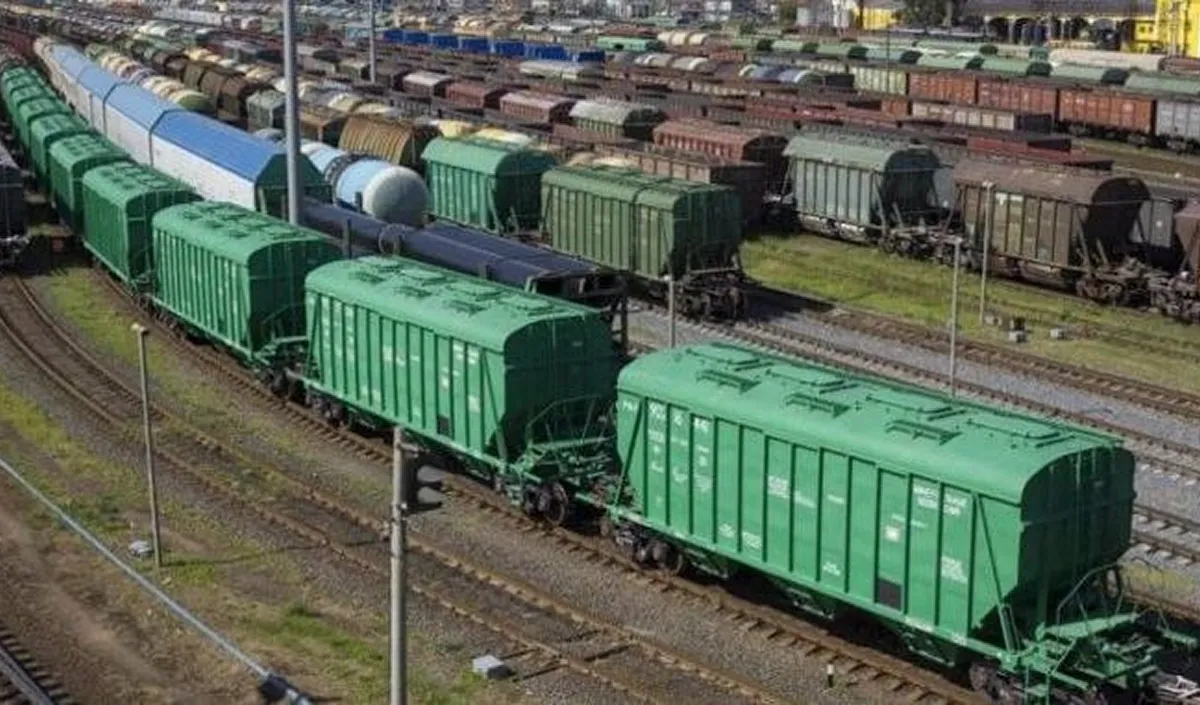


Danube Case: Svishtov Attracts First Investors to Its Industrial Park
 Bulgaria
02.10.2026
The Bulgarian city of Svishtov is moving from the infrastructure development stage of the Danube Industrial Technology Park to the actual attraction of businesses. The municipality has already signed three preliminary agreements with prospective investors, whose names are expected to be announced separately.
The industrial park is located in Svishtov’s eastern industrial zone, directly on the Danube. It covers around 300,000 sq. m and is divided into 21 investment plots. Its priority sectors include manufacturing, logistics, and high-tech industries.
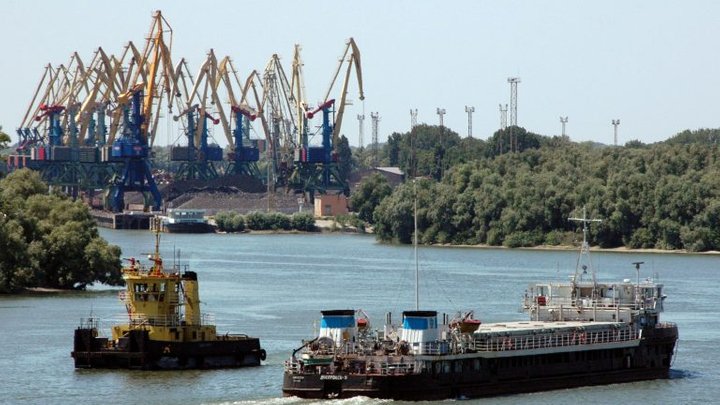
One of the site’s key advantages is its multimodal location. Danube port facilities are located nearby, while the Svishtov–Zimnicea ferry connection provides direct access to Romania.
At the same time, the necessary engineering infrastructure is being developed, including water supply, sewerage, a gas distribution network, and new electricity capacity. A new 50 MW substation is planned to support the park’s energy needs.
Throughout 2026, Svishtov has also actively promoted the industrial park among foreign investors, including Turkish businesses.
IDR Comment
The Svishtov case demonstrates how the Danube can serve not only as a transport corridor but also as a foundation for new industrial and logistics clusters.
For investors, the key factor is not simply the availability of land, but ready-to-use infrastructure: electricity, gas, water, roads, port access, and fast connections to neighbouring markets.
Of particular importance is the “industrial park + port + cross-border logistics” model, which brings together production, cargo handling, and exports within a single economic hub.
This experience is also relevant for Ukraine’s Danube region. Reni, Izmail, and other communities can develop not only port capacities but also investment-ready industrial areas located close to them.
The transition from a “port as a transshipment point” model to a “port + manufacturing + logistics + industrial park” model can significantly increase added value across the Danube region.
 Romania

 Hungary
 Ukraine


 Moldova



 Danube



 Serbia