

Danube Low Water Becomes a Systemic Threat to Nuclear Energy: Paks Cuts Generation, Cernavodă Shuts Down
 Hungary
17.08.2026
Hungary
17.08.2026
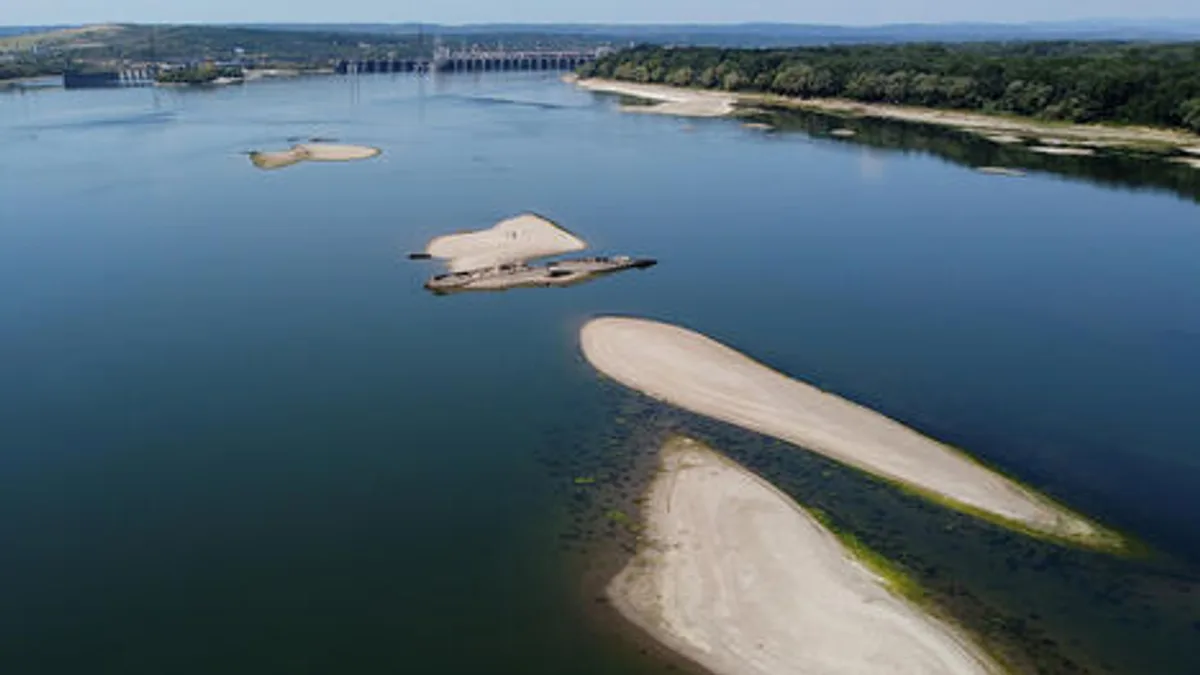
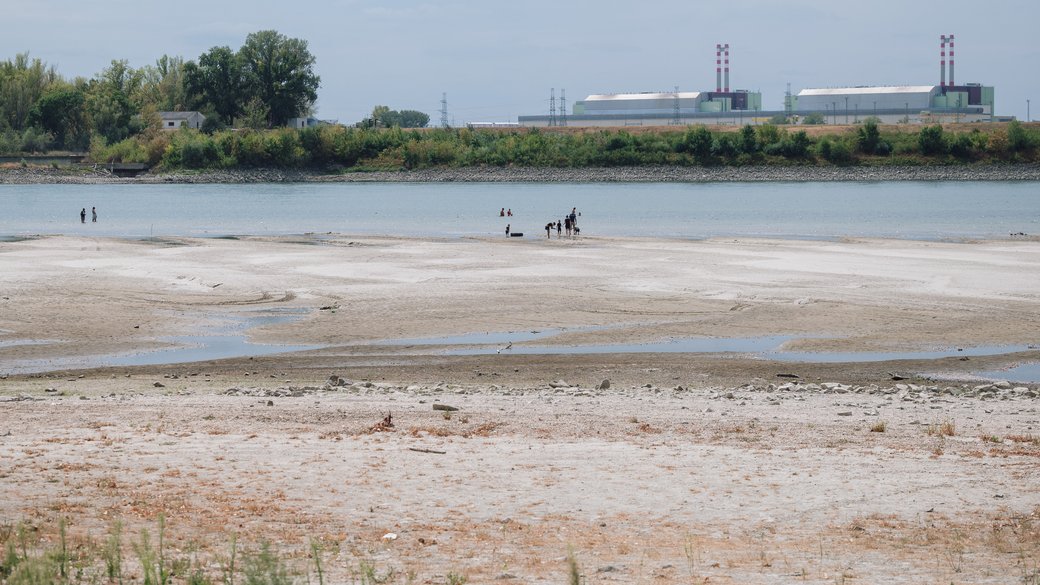
The critically low water level of the Danube is exerting growing pressure on the energy systems of Central and South-Eastern Europe. After the extreme decline in river levels placed Hungary’s Paks Nuclear Power Plant at risk of shutdown, a similar hydrological crisis has already led to the complete suspension of generation at Romania’s Cernavodă Nuclear Power Plant.
Developments in Hungary and Romania indicate that water scarcity in the Danube Basin is no longer merely a local hydrological problem. It is increasingly becoming a factor of regional energy security.
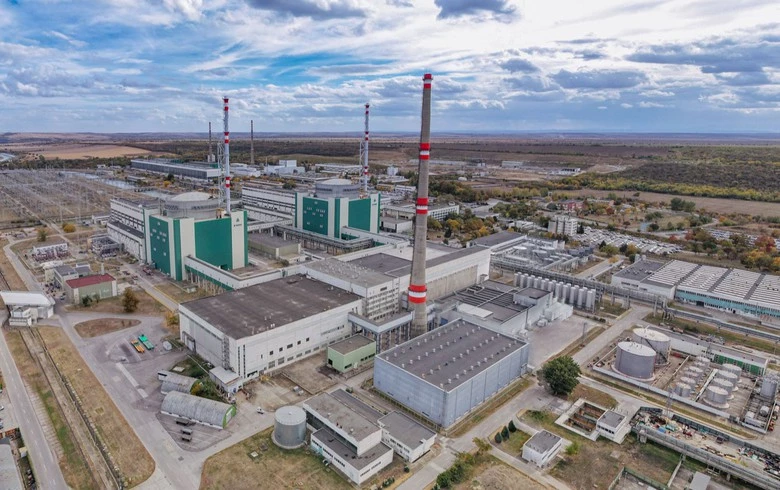
At the end of July, the operator of the Paks NPP warned that, if the Danube continued to fall, a complete shutdown of electricity generation could become unavoidable within 24–72 hours. At that stage, the plant’s output had already been substantially reduced from its nominal capacity of around 2,000 MW.
Paks provides a major share of Hungary’s electricity generation. Any complete shutdown would therefore have immediate implications for the national power system.
The core problem is not the absolute absence of water needed to maintain the reactors in a safe condition. Rather, the difficulty lies in the ability of the existing intake infrastructure to secure sufficient cooling water under historically low Danube levels. The plant’s dependence on river water makes its operation particularly sensitive to prolonged drought and extreme hydrological conditions.
In early August, Paks came especially close to a full suspension of generation, with output at one point falling to around 10% of nominal capacity. Production was subsequently partially restored, but the plant continued operating under substantial restrictions.
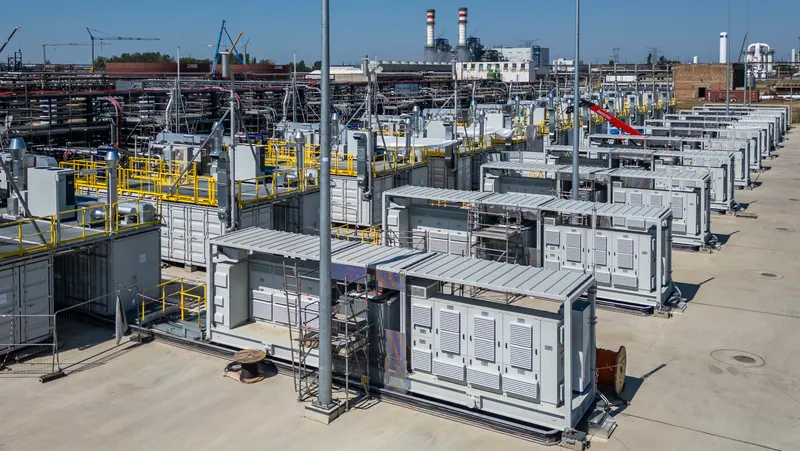
Hungarian authorities have therefore moved towards emergency engineering measures aimed at maintaining sufficient water levels near the plant’s intake infrastructure. Temporary hydrotechnical solutions, including the use of barges and modifications to the water intake system, have been considered or implemented in order to preserve safe operation.
Cernavodă has already experienced the scenario Paks is trying to avoid
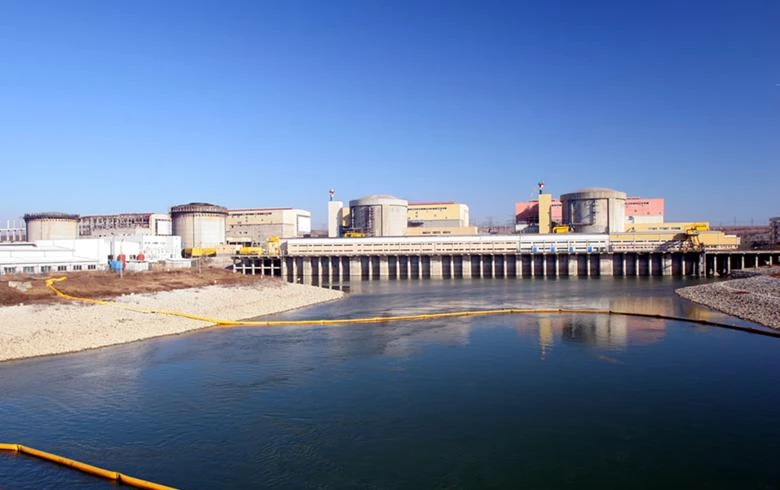
The Hungarian situation has developed almost simultaneously with the crisis at Romania’s Cernavodă Nuclear Power Plant, which also relies on Danube water for technological cooling.
The first reactor at Cernavodă had already been taken offline earlier, while the Romanian authorities subsequently introduced extraordinary engineering measures in an attempt to secure water access for the remaining unit.
These measures included interventions designed to redirect more water towards the plant’s intake infrastructure. However, they provided only temporary relief.
On 13 August, Romania began the controlled shutdown of the second and final operating reactor at Cernavodă. As a result, the country temporarily lost all nuclear generation from a facility that normally provides roughly one-fifth of national electricity production.
The Danube has therefore produced an unprecedented situation in which two major nuclear power plants in two different countries have almost simultaneously faced severe operating restrictions caused by one common factor — exceptionally low river levels.
Comment by the Institute of Danube Research
The Institute of Danube Research believes that the situations at Paks and Cernavodă should no longer be viewed merely as separate national energy incidents.
They represent a manifestation of a broader systemic vulnerability of the Danube Region’s energy infrastructure to changes in the river’s hydrological regime.
Paks and Cernavodă use different reactor technologies, but both depend critically on the reliable availability of large volumes of Danube water for cooling. This dependence transforms prolonged drought and extreme low-water periods into direct energy-security risks.
The sequence of events is particularly significant. Romania introduced extraordinary engineering interventions in an effort to keep Cernavodă operational. Hungary has been forced to consider similar emergency measures in order to preserve generation at Paks.
This suggests that temporary emergency engineering solutions are gradually becoming tools for maintaining baseload electricity generation, even though they were previously regarded as exceptional measures.
In the Institute’s assessment, the situation has at least three strategic dimensions.
First, the hydrological parameters used in the design of major energy facilities on the Danube need to be reassessed. Historical minimum water levels incorporated into engineering calculations several decades ago may no longer adequately reflect the extreme conditions now being observed.
Second, the crisis raises the issue of diversifying cooling systems. For future nuclear generation facilities, dependence exclusively on direct river-water intake is becoming an increasingly important technological and climate-related risk.
Third, the problem clearly extends beyond national borders. Simultaneous reductions in nuclear generation in Hungary and Romania increase demand for electricity imports and place additional pressure on cross-border electricity flows. In this way, a hydrological crisis on the Danube can transmit its effects through the regional energy market far beyond the immediate river basin.
The Institute of Danube Research therefore considers the events surrounding Paks and Cernavodă to be evidence of an emerging water-energy security risk for the Danube Region.
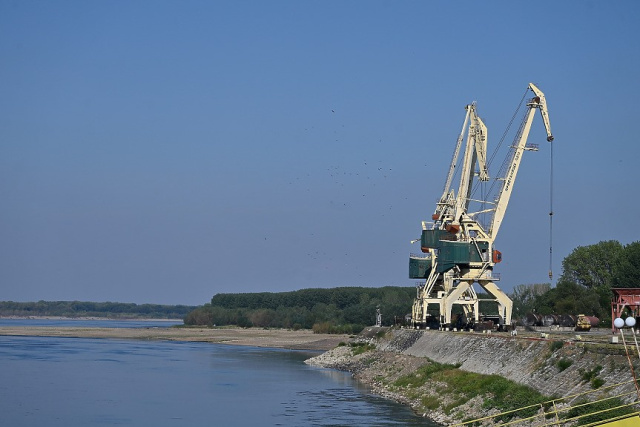
The Danube can no longer be viewed separately as a transport corridor, a source of water supply, an ecosystem or an energy resource. Extreme low-water conditions simultaneously affect navigation, nuclear and hydropower generation, industrial water use, agriculture and the ecological condition of the river.
Adaptation to prolonged low-water periods therefore requires not only local emergency interventions but also a coordinated interstate strategy for managing water-energy risks, involving Danube Basin countries and European Union institutions.
The situation at Paks and Cernavodă demonstrates that, under changing climatic and hydrological conditions, the water level of the Danube is becoming a direct factor in the energy stability of Central and South-Eastern Europe.

 Bulgaria
 Romania
 Ukraine
 Moldova
 Serbia

 Danube