

Danube Ports See Rising Freight Rates for Grain Shipments
 Ukraine
22.07.2026
Ukraine
22.07.2026
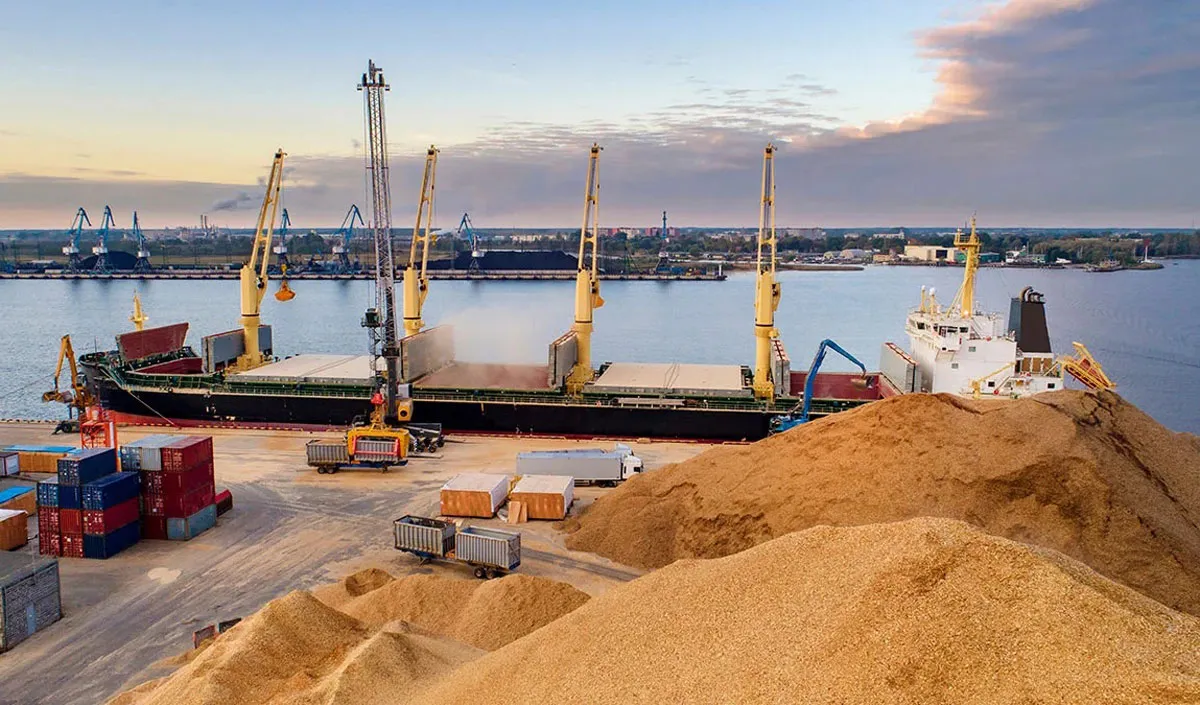
The grain freight market from Ukraine’s deep-water ports has become almost inactive, while demand for vessels and freight rates on the Danube route continue to rise.
According to the analytical company ASAP Agri, the Handysize segment remained largely inactive over the past week. Only one vessel was available on the market, with its owner raising the freight rate by more than USD 10 per tonne. Charterers, for their part, increased their offers by approximately USD 5 per tonne, but no agreement was reached.
“One vessel is not enough to determine the actual market level. At present, there is effectively no clearly formed Handysize market. Following the serious damage sustained by the GOLDEN LEO on 19 July, we do not expect the freight market to recover this week unless the security situation improves,” said Taras Panasiuk, co-owner and head of freight brokerage at Atria Brokers.
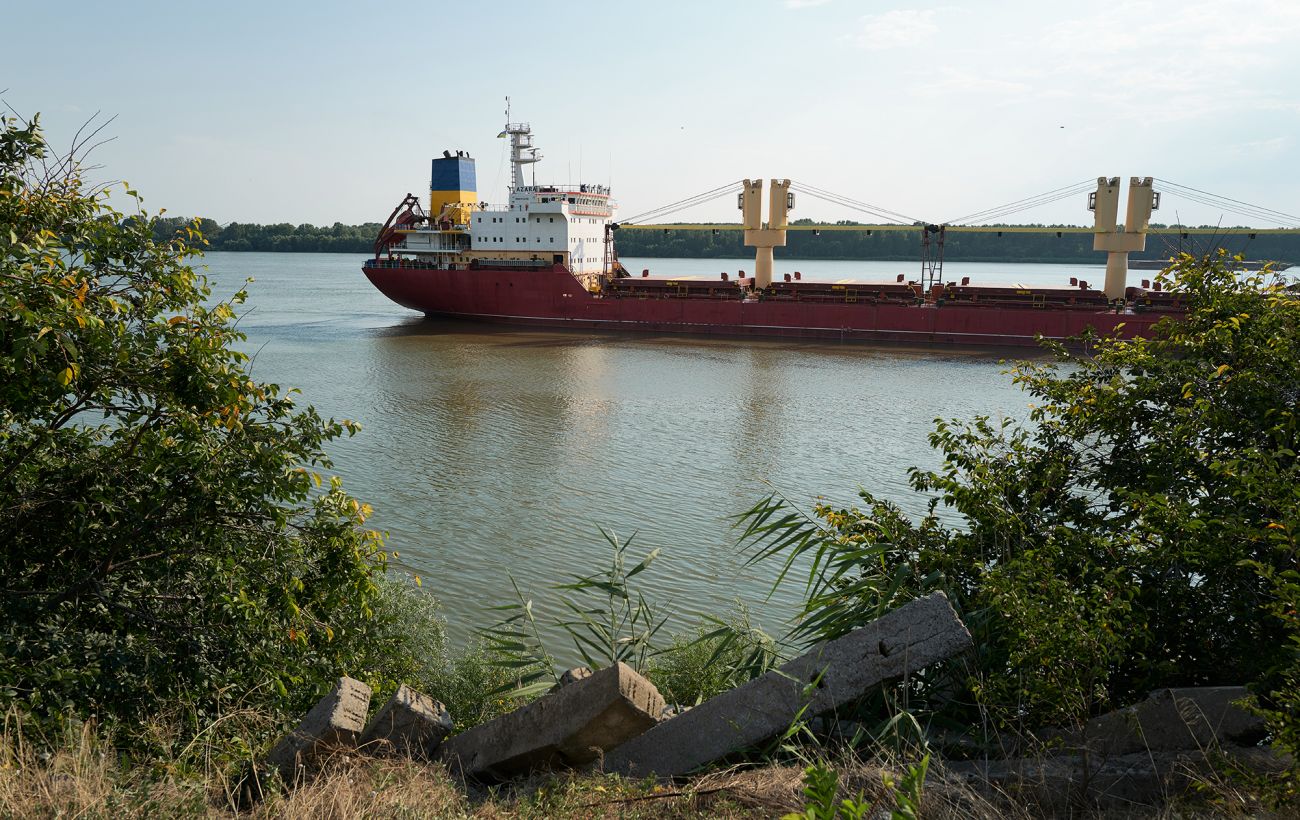
The coaster segment remained more active. Freight rates increased by approximately USD 3–5 per tonne compared with previous indications. At the same time, prices continue to depend heavily on each individual vessel, its technical characteristics, flag, insurance coverage and the shipowner’s willingness to operate under heightened wartime risks.
For example, one shipowner initially offered a rate of USD 31 per tonne for a shipment to Egypt but later requested a significantly higher level.
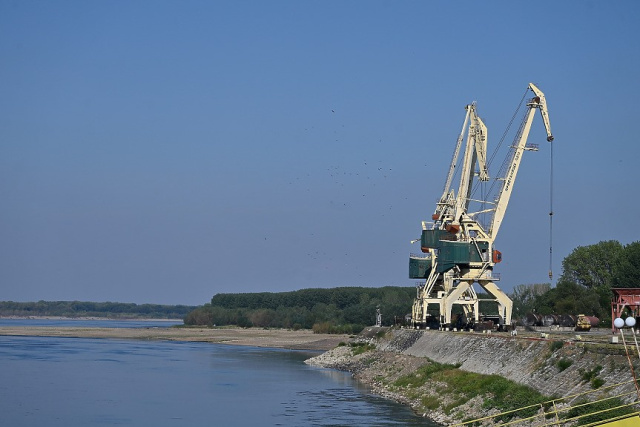
Against this background, the Danube freight market remains active. Average rates for grain transportation from Danube ports have increased by approximately USD 5 per tonne. Meanwhile, shipments from the ports of Odesa, Chornomorsk and Pivdennyi have almost completely stopped.
Comment by the Institute of Danube Research
The increase in freight rates on the Danube route is a direct consequence of the redistribution of cargo flows and the growing risks to navigation in the north-western Black Sea.
As shipowners reconsider or cancel bookings for calls at the ports of Greater Odesa, the Danube ports are once again becoming the main reserve corridor for Ukrainian agricultural exports.
At the same time, higher demand for Danube logistics inevitably leads to increased transportation costs. This raises export expenses for Ukrainian producers and traders, reduces the competitiveness of Ukrainian grain and creates additional pressure on the port, road and railway infrastructure of the Ukrainian Danube region.
The current situation confirms the need for the systematic development of the ports of Izmail, Reni and Ust-Dunaisk, the expansion of railway and road access capacity, the maintenance of guaranteed navigable depths and closer coordination with Romanian and Bulgarian ports.
Danube logistics should not be viewed solely as a temporary alternative to Black Sea ports. It must become a fully fledged and long-term component of Ukraine’s transport and export strategy, capable of ensuring the resilience of foreign trade even under prolonged security threats.

 Bulgaria
 Hungary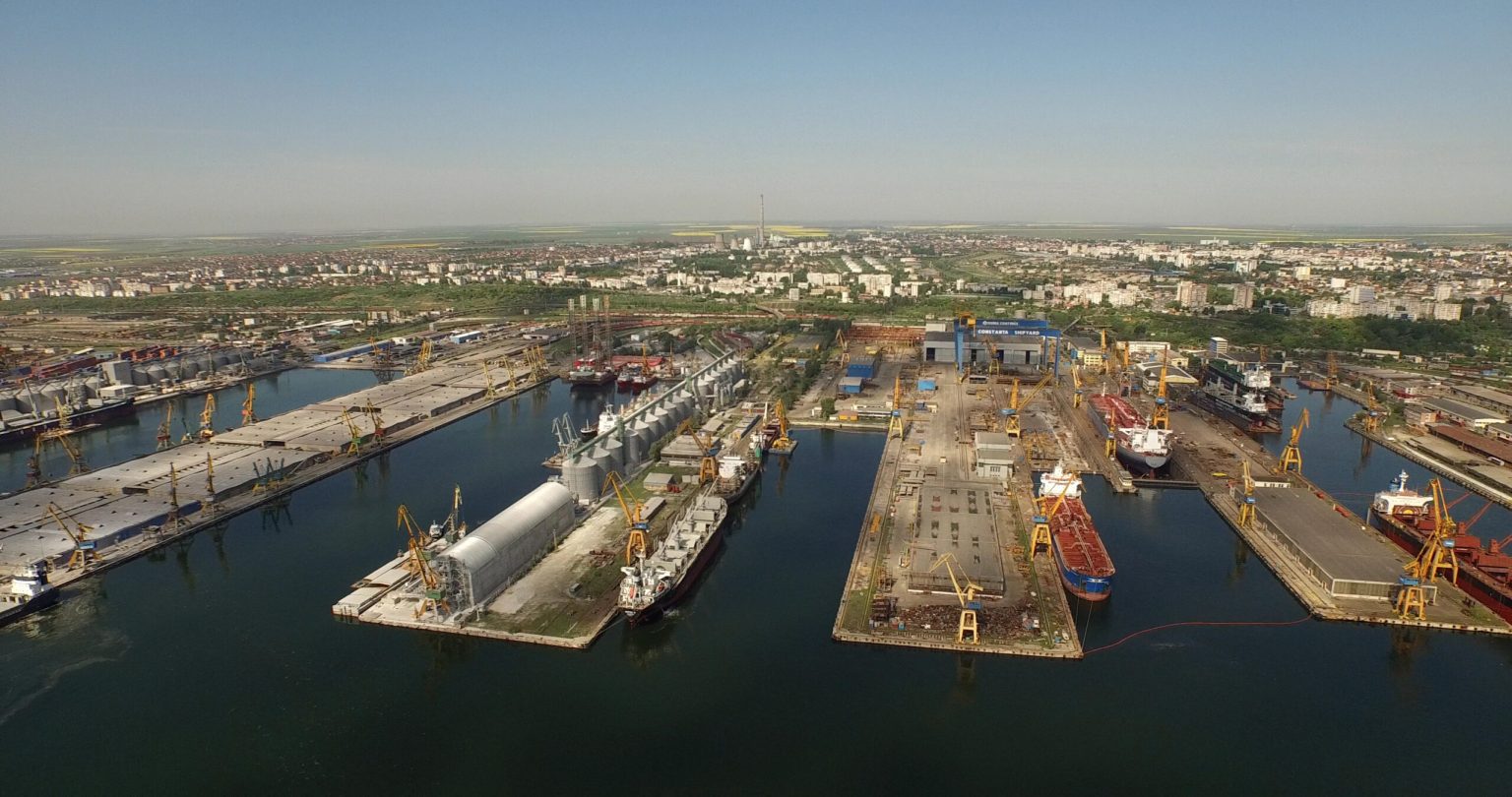
 Romania
 Moldova
 Serbia

 Danube