

Danube Water Flow Remains Critically Low: Romania Records Only One-Third of the October Average
 Romania
19.10.2026
Despite a slight increase in the Danube's water flow, hydrological conditions across the river basin remain challenging. According to the Romanian National Institute of Hydrology and Water Management (INHGA), discharge at Baziaș, where the Danube enters Romania, was forecast to reach 1,300 m³/s during October 18–19, 2026. This represents only 33% of the long-term October average of 3,900 m³/s.
The discharge deficit compared with the seasonal average is therefore approximately 67%, indicating the persistence of significant low-water conditions along the Danube.
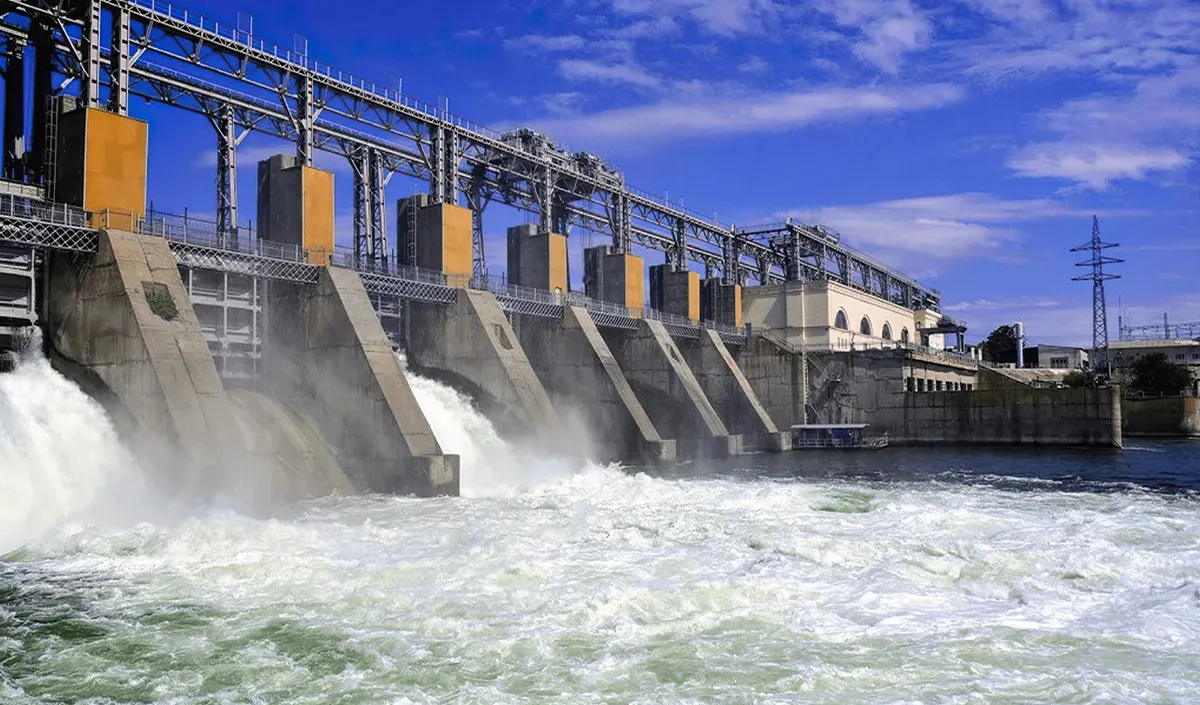
According to INHGA, downstream of the Iron Gates hydropower complex, a slight increase in water discharge was expected along the Gruia–Zimnicea section. Flows were projected to remain stable between Giurgiu and Călărași, while a further decline was forecast along the Cernavodă–Tulcea section.
Hydrological conditions across most Romanian rivers were expected to remain relatively stable. However, discharge could decrease along certain tributaries of the Siret River, while localized precipitation might temporarily increase water levels in smaller rivers in the country's central and eastern regions.
Romanian hydrologists reported that water discharge in many rivers ranged between 30% and 90% of their long-term monthly averages.
Commentary by the Institute of Danube Research
The Institute of Danube Research (IDR) emphasizes that prolonged low-water conditions on the Danube represent a multidimensional challenge to the transport, economic, and environmental security of the Danube region.
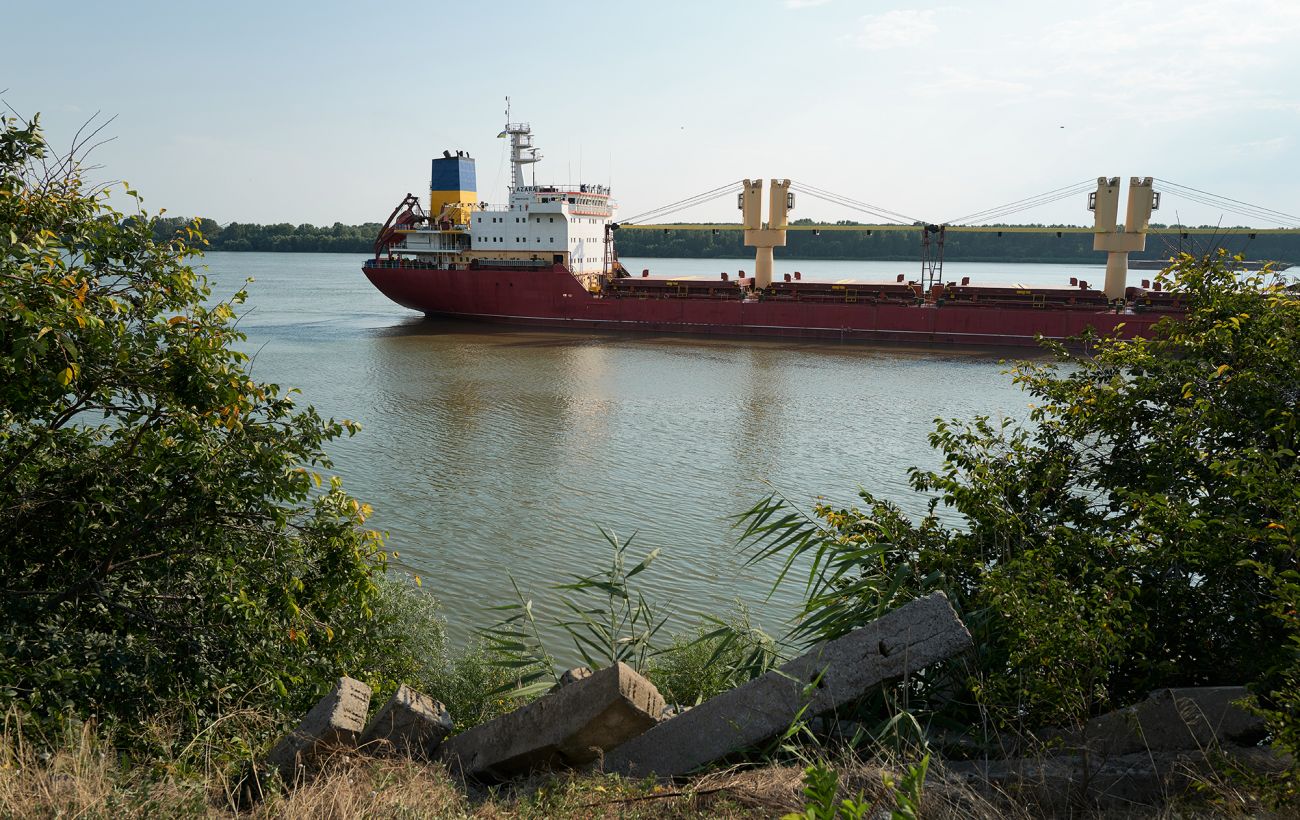
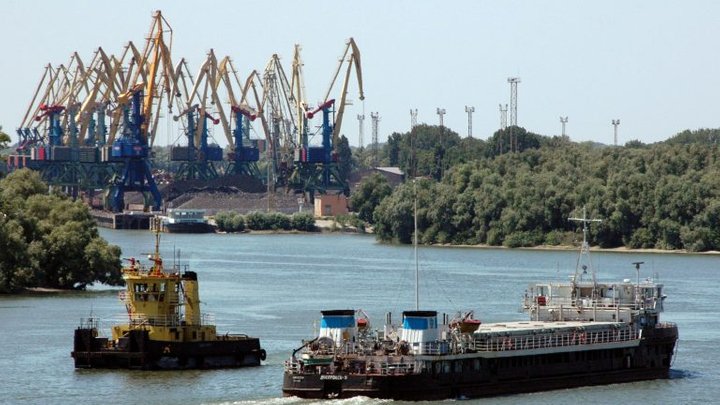
Particular concern arises in the Lower Danube, where reduced navigational depths may affect vessel loading capacity, port operations, and the reliability of international logistics corridors.
For Ukraine, this issue is strategically important, as the ports of Reni, Izmail, and Ust-Dunaisk remain essential components of the country's export infrastructure and transport connections with the European Union.
A slight increase in the Danube's discharge does not signify the end of the low-water period. When river flow reaches only one-third of its seasonal average, attention must be focused not only on current hydrological measurements but also on long-term risks to navigation, port infrastructure, water supply, and aquatic ecosystems.
Under such circumstances, coordinated action among Danube countries becomes increasingly important, particularly in hydrological monitoring, maintaining navigable depths, and adapting transport infrastructure to changing water conditions.
According to the Institute's assessment, persistent low-water conditions underline the need for stronger cross-border coordination among Ukraine, Romania, Moldova, and other Danube basin countries within the framework of the EU Strategy for the Danube Region and international water-management mechanisms.
A key strategic priority is the development of a coordinated adaptation framework for Danube logistics and water-management infrastructure to address prolonged low-water periods and strengthen the economic resilience of the region.


 Hungary
 Ukraine


 Moldova


 Bulgaria
 Danube


 Serbia