

Danube Water-Level Decline Temporarily Halts: Hungary Avoids Full Shutdown of the Paks Nuclear Power Plant by Mere Millimetres
 Hungary
04.08.2026
Hungary
04.08.2026
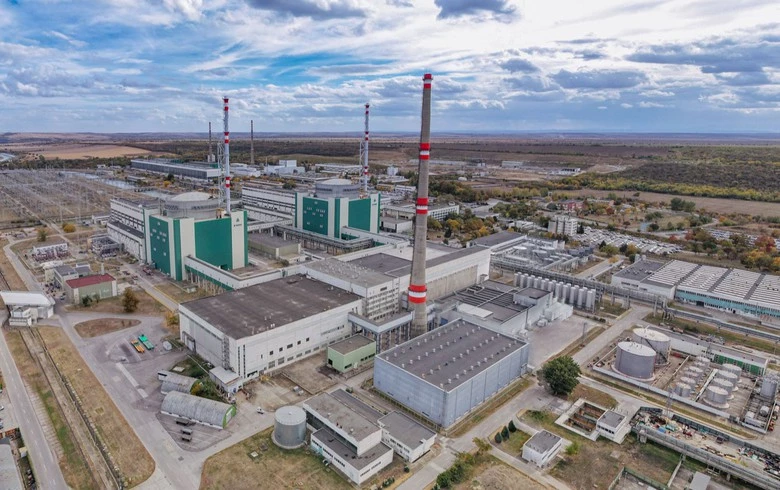
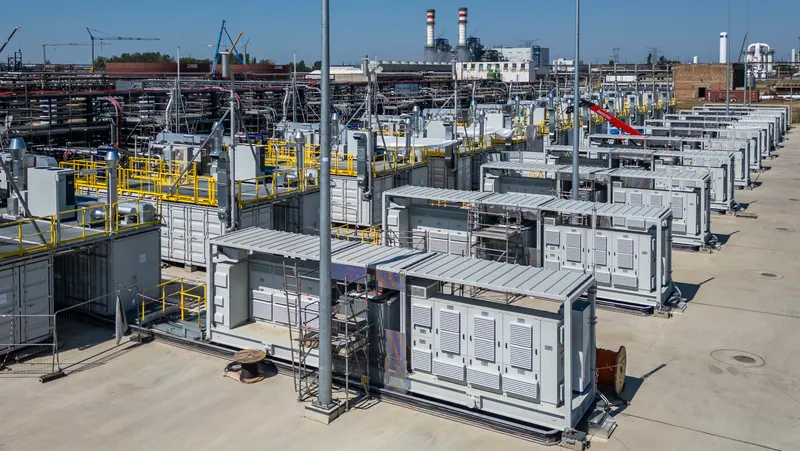
Hungary has temporarily avoided the complete shutdown of the Paks Nuclear Power Plant after a slight rise in the Danube’s water level. On the morning of 4 August, the decline in the river level stopped, followed by an increase of approximately 1.5 centimetres, allowing the last operating turbine at Hungary’s only nuclear power plant to remain online.
The announcement was made by Hungarian Prime Minister Péter Magyar. According to him, at approximately 1:30 a.m., the facility was only a few millimetres away from a complete shutdown.
“We were just a few millimetres away from the total shutdown of the Paks Nuclear Power Plant, but the decline in the water level stopped, and by morning it had risen by 1.5 centimetres,” the Hungarian prime minister stated.
As of the morning of 4 August, the last of the plant’s four turbines continued to operate safely, producing approximately 240 MW of electricity. This represents slightly more than 10% of the plant’s installed capacity. Under normal conditions, the Paks facility has a capacity of approximately 2 GW and generates more than 40% of Hungary’s electricity.
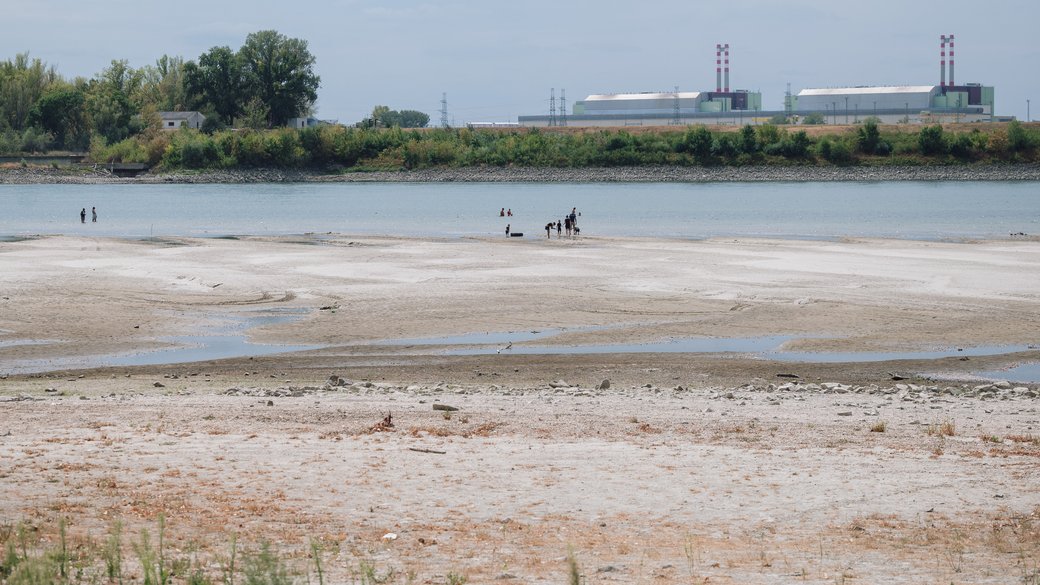
During the previous week, the plant’s output had been gradually reduced because of the record-low water level of the Danube, whose water is used to cool the facility’s technological systems. A complete shutdown could have forced Hungary to increase electricity imports substantially and placed additional pressure on the regional power system.
The Hungarian government appealed to households and industrial enterprises to reduce electricity consumption. More than 300 companies reportedly joined the voluntary conservation measures. According to the authorities, these efforts helped reduce pressure on the national grid, although the coming days remain critical because of high temperatures and the absence of significant rainfall.
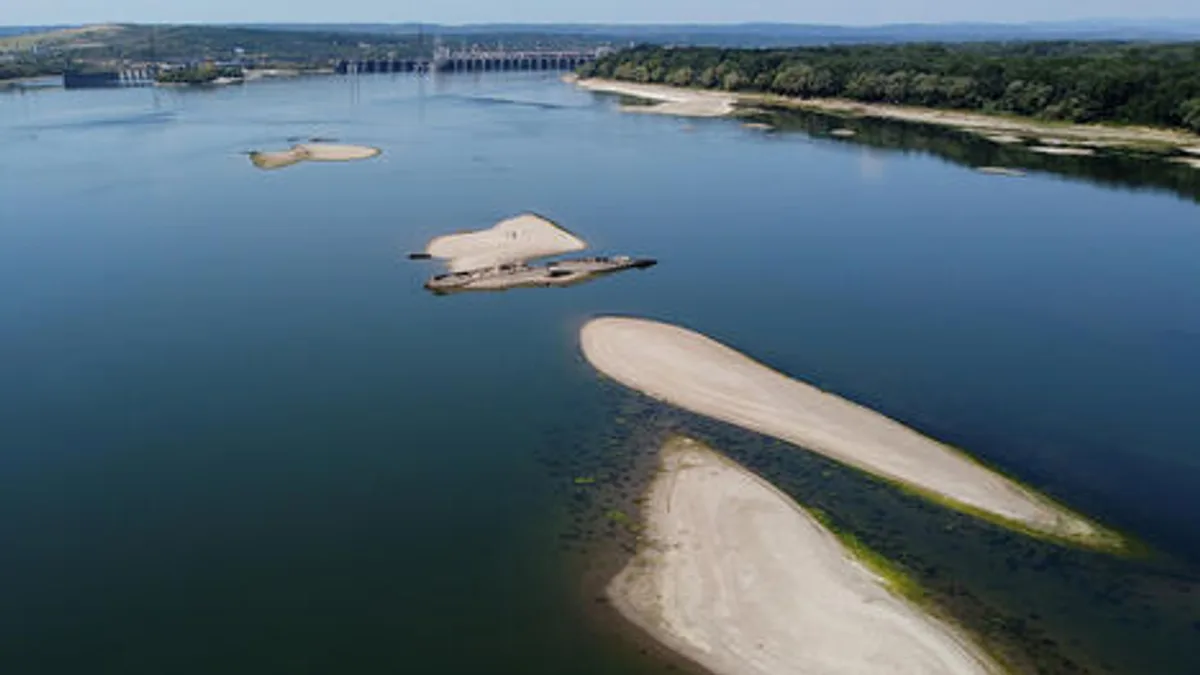
Hydrological conditions remain severe throughout the Central and Lower Danube region. In Budapest, the river level had fallen to approximately 10 centimetres, below the previous historical minimum recorded in 2018. Hydrologists do not expect a sustained recovery in water levels in the immediate future, meaning that the current increase should be viewed only as temporary stabilisation.
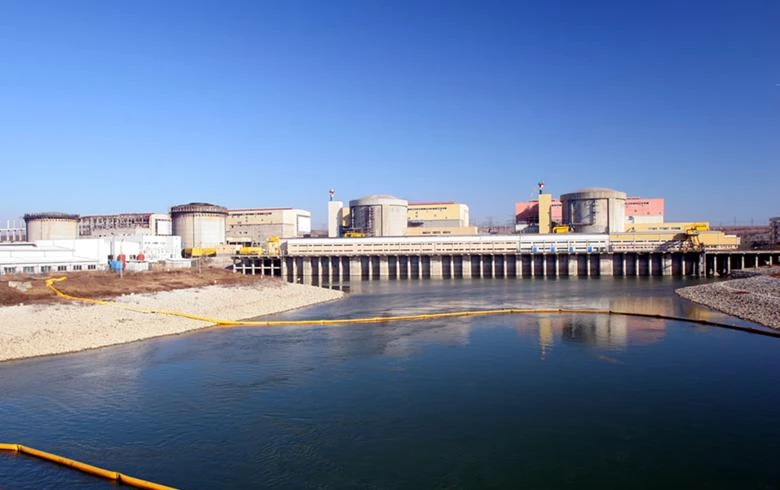
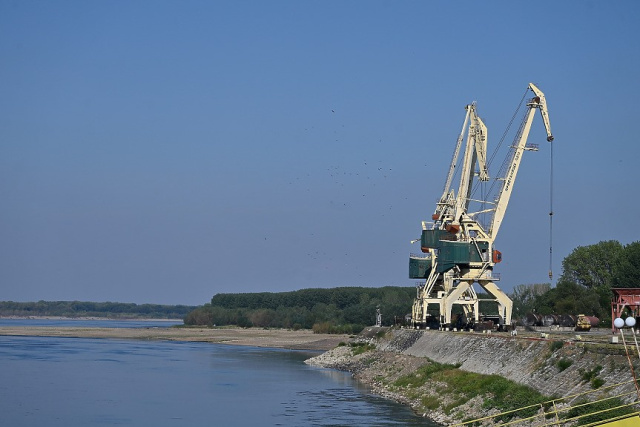
The declining water level of the Danube has already reduced hydropower generation in Serbia, restricted navigation, lowered cargo-loading capacity and created serious difficulties for Romania’s nuclear energy sector. At the Cernavodă Nuclear Power Plant, one unit was shut down, while Romanian military forces carried out controlled explosions on the Bala branch in an attempt to redirect part of the water flow towards the main Danube channel and preserve the operation of the second unit.
Comment by the Institute of Danube Research
The temporary stabilisation of the Danube’s water level allowed Hungary to avoid the immediate full shutdown of the Paks Nuclear Power Plant. However, it did not eliminate the systemic threat. An increase of only 1.5 centimetres demonstrates the extremely limited resilience margin of critical energy infrastructure to hydrological fluctuations.
The situation shows that the traditional operational model of large thermal and nuclear power plants, which directly depend on river water, is becoming increasingly vulnerable amid prolonged droughts and rising temperatures. Even minor changes in river levels can determine whether a facility responsible for almost half of a country’s electricity production remains operational.
At the same time, the short-term rise in water should not be interpreted as the end of the low-water period. In the absence of significant rainfall, the Danube may begin to decline again, while the complete shutdown of individual generating units remains a realistic threat.
The crisis surrounding the Paks and Cernavodă nuclear power plants confirms the need to develop a common climate-adaptation strategy for the entire Danube basin. Such a strategy should include the modernisation of nuclear-plant cooling systems, the introduction of closed-loop water-use technologies, the development of reserve generation capacity and coordinated cross-border water-resource management.
For Ukraine, these developments constitute a direct warning. A further decline in the Danube’s water level could simultaneously affect port logistics, navigation, the Danube Delta ecosystem, community water supply and the stability of the regional energy market.
Low water levels in the Danube have evolved from a seasonal natural phenomenon into a complex European security challenge. Addressing it requires not isolated emergency interventions, but long-term coordination of the energy, transport, water-management and climate policies of the basin states.

 Bulgaria
 Romania
 Ukraine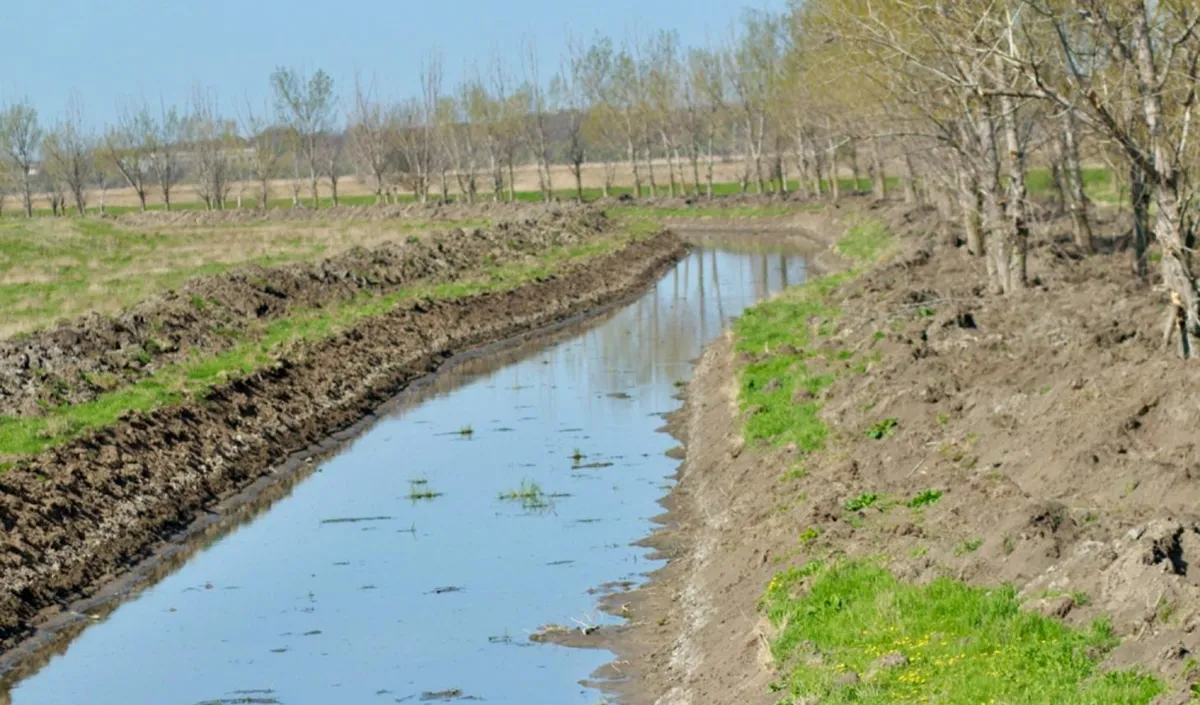
 Moldova
 Serbia

 Danube