

Development of Danube ports has long-term strategic importance for Ukraine, — Ministry for Communities and Territories Development at URC 2026
 Ukraine
29.06.2026
Ukraine
29.06.2026
At the Ukraine Recovery Conference 2026, the launch of a project to study the development of ports in the Danube region was announced with the support of the European Bank for Reconstruction and Development.
The development of Danube ports has not only an anti-crisis but also a long-term strategic significance for Ukraine. This was stated by Deputy Minister for Communities and Territories Development of Ukraine Andrii Kashuba during a panel discussion at URC 2026.
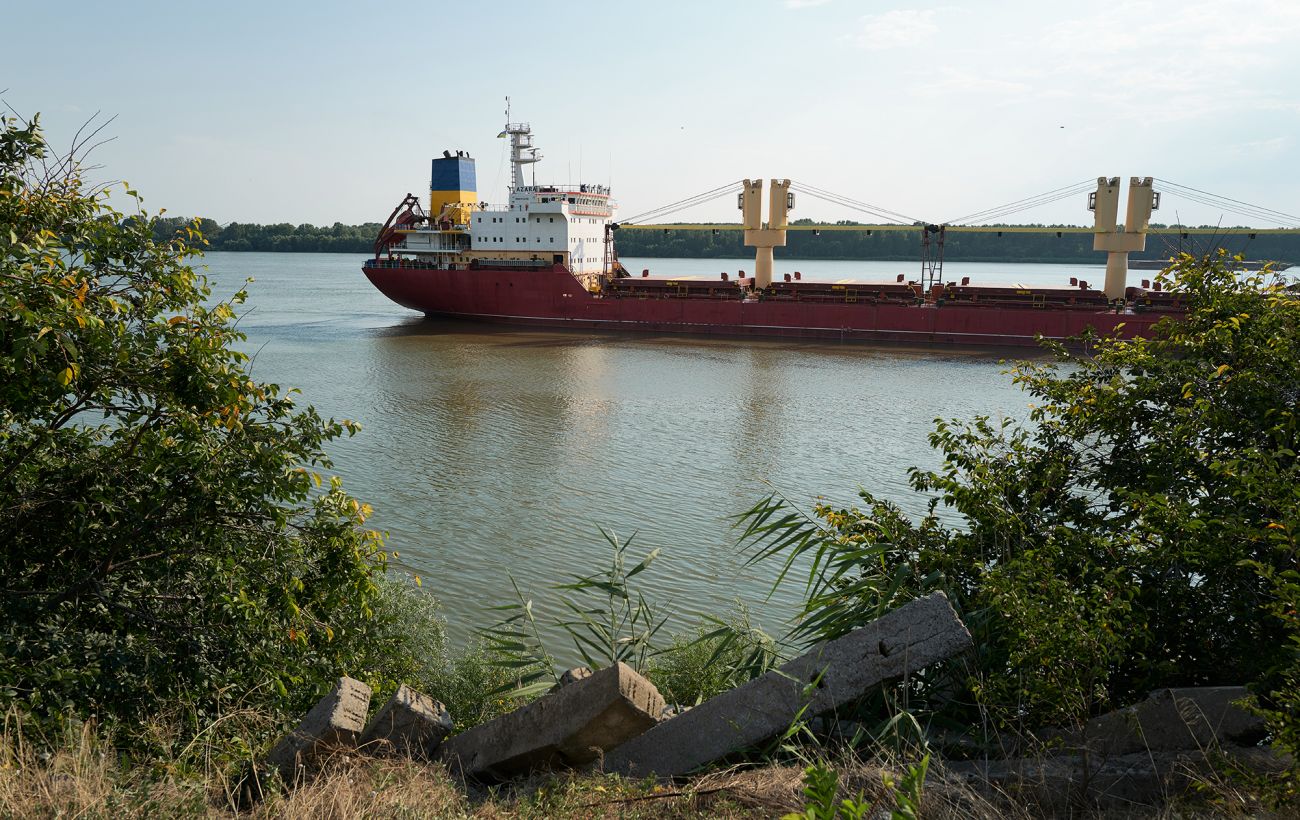
“It was the Danube that provided an alternative route for the export of Ukrainian products and supported the stability of foreign trade. Today, the development of the Danube logistics route has not only an anti-crisis but also a long-term strategic importance. We see significant potential in the development of port infrastructure and in deepening cooperation with European partners. Shipbuilding and ship repair are an important component of this process,” the official emphasized.
During the panel, the launch of a project to study the development of ports in the Danube region was announced with the support of the European Bank for Reconstruction and Development. Representatives of the bank noted that the integration of the Solidarity Lanes and the TEN-T network already enables Ukraine to supply products to 55 countries around the world.
The participants separately discussed the connection of Ukrainian ports with EU ports, energy resilience, and the digitalization of logistics processes. The Deputy Minister also held a meeting with Estonian Minister of Infrastructure Kuldar Leis, during which they discussed the security of Ukrainian ports and countering Russia’s “shadow fleet”.
Comment by the Institute of Danube Research
The Institute of Danube Research considers the launch of the study on the development of ports in the Danube region with the support of the EBRD to be an important step toward moving from crisis response to a systematic state policy for Ukraine’s Danube area.
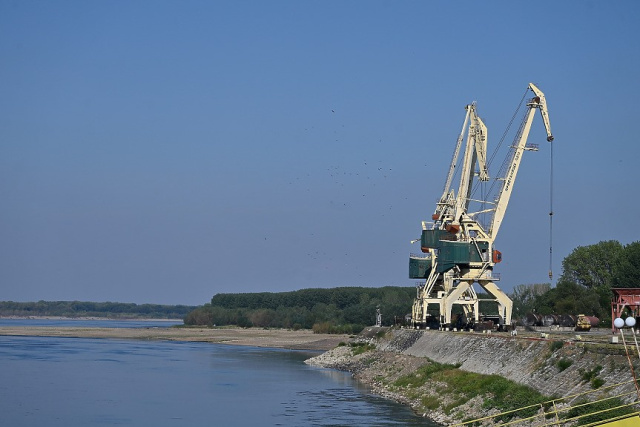
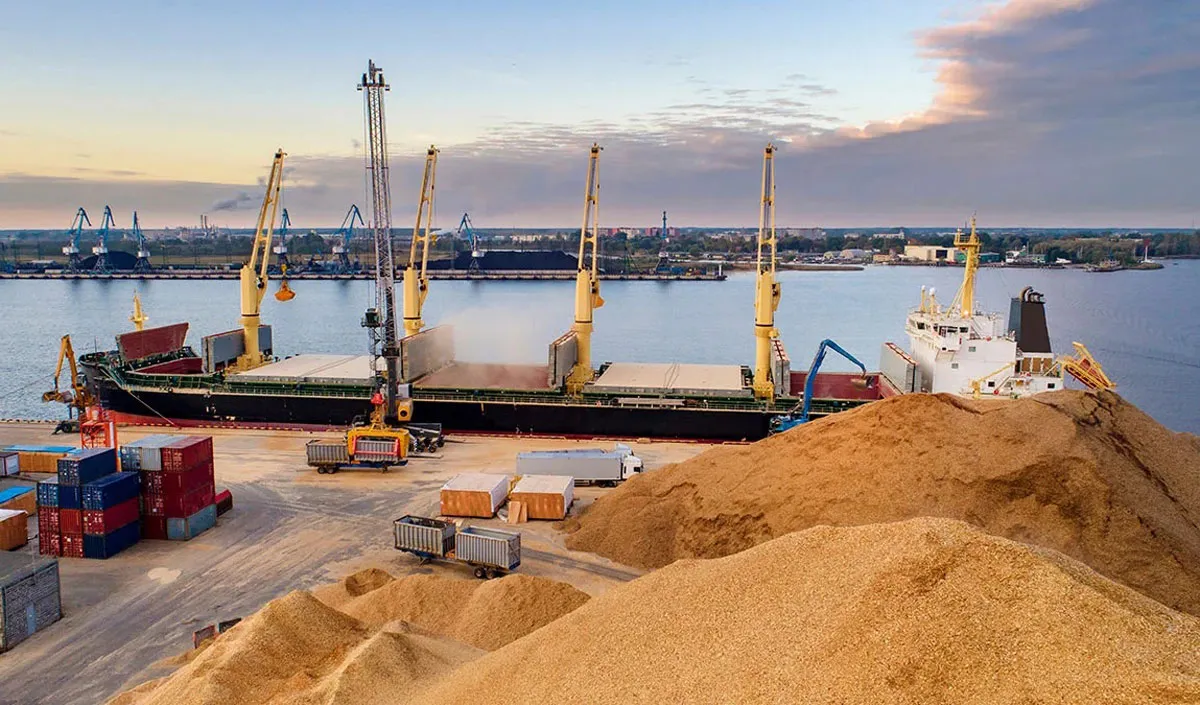
During the years of the full-scale war, the Danube has proven its role as a reserve, and in fact strategic, transport corridor for Ukraine. However, the further development of Danube ports cannot be limited only to increasing transshipment volumes or to the selective modernization of berths. It is about building a full-fledged logistics, industrial, and security cluster connected with the ports of Reni, Izmail, and Ust-Dunaisk, as well as with railway and road infrastructure, ship repair, energy supply, customs procedures, and cross-border cooperation with Romania and Moldova.
The key task for the state is to establish the Danube not as a temporary alternative to the Black Sea, but as a permanent element of Ukraine’s European transport architecture. This requires coordinated management of the Danube port system, a long-term investment model, modernization of access infrastructure, digitalization of procedures, protection of facilities from wartime threats, and integration of the Ukrainian section of the Danube into the logic of TEN-T and the EU policy of sustainable mobility.
It is important that shipbuilding and ship repair are now becoming part of the discussion. This reflects a broader approach to the Danube — not only as a route for exporting grain or raw materials, but as a space for creating added value, developing production, employment, and technological cooperation with European partners.
For Ukraine, the Danube today is not a periphery, but one of the key directions of economic security, European integration, and post-war recovery. Therefore, the results of the study launched with the support of the EBRD should become the basis for practical decisions: investment projects, interstate agreements, renewal of the management model, and the formation of a separate long-term strategy for the development of Ukraine’s Danube region.

 Bulgaria
 Hungary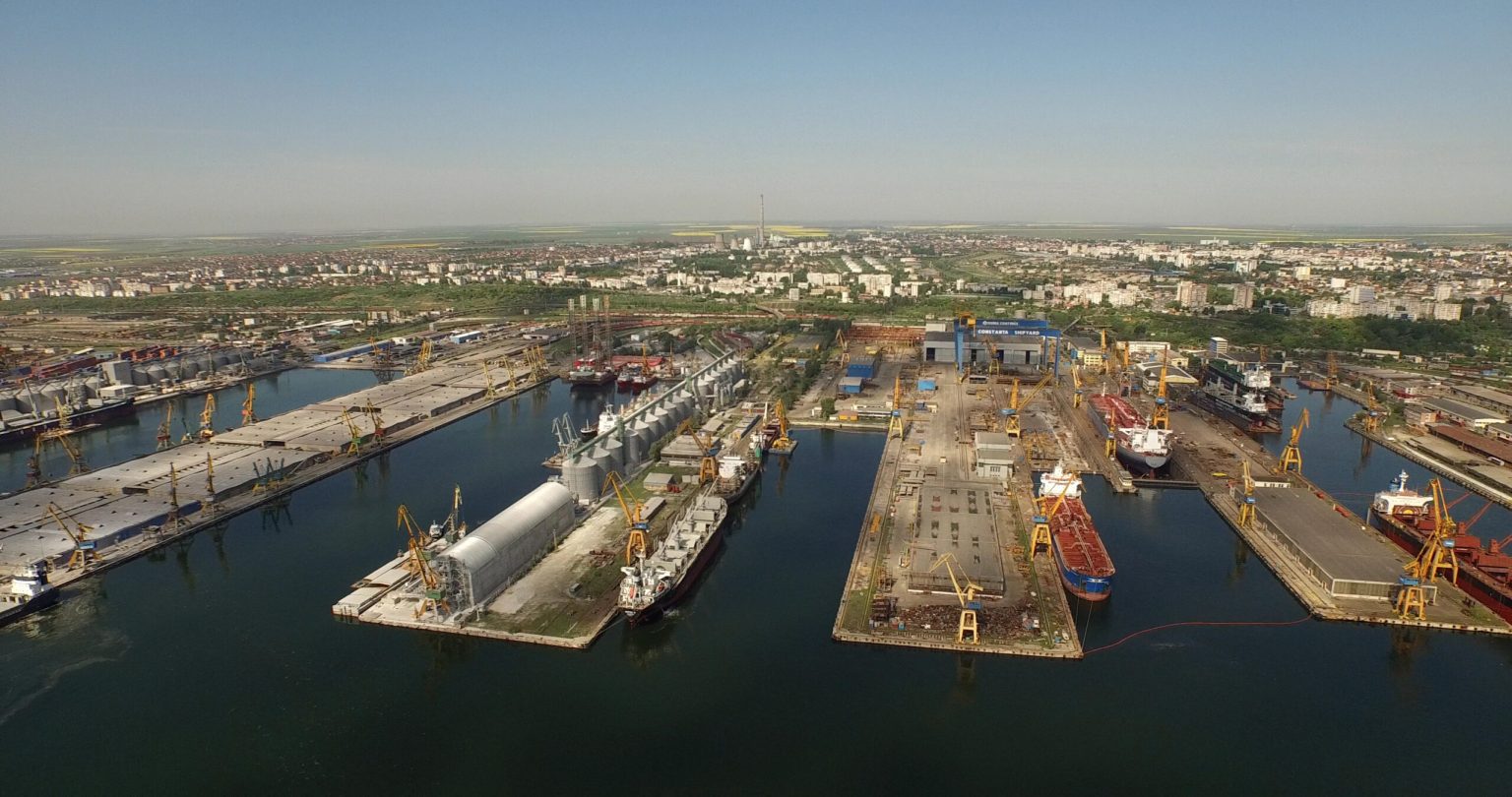
 Romania

 Moldova
 Serbia

 Danube