

Environmental anomaly on the Danube: jellyfish invasion and mass mollusc mortality paralyse fishing in Vylkove
 Ukraine
25.08.2026
Ukraine
25.08.2026
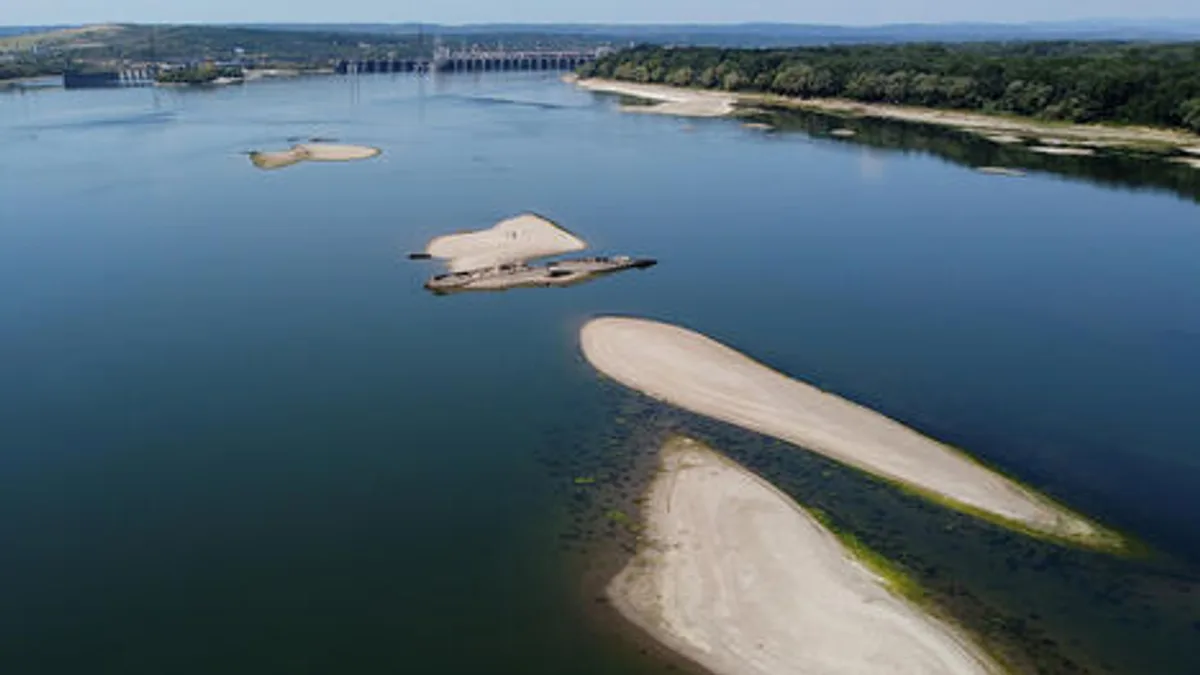
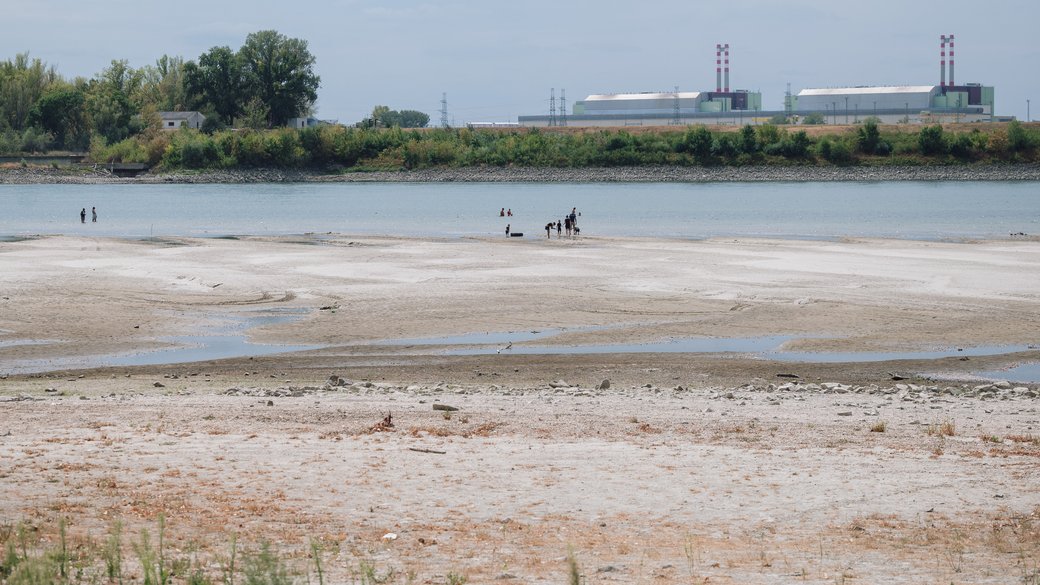
The hydrological and environmental situation in the Danube Delta has deteriorated sharply. Prolonged heat and critically low river levels have caused seawater to penetrate deep into the Danube’s distributaries. Millions of jellyfish have entered the river with the saltwater intrusion, while parts of the freshwater fauna have begun to die off on a massive scale. This was reported by Oleksandr Voloshkevych, Director of the Danube Biosphere Reserve.
According to environmental monitoring data, the Danube’s water level fell by eight centimetres in July compared with the previous month, while the water temperature rose to 27.4°C. These conditions have adversely affected commercial fishing and the feeding grounds of most fish species, while facilitating the upstream movement of seawater.
From the second ten-day period of July, saltwater advanced beyond Vylkove and reached Yermakiv Island, located at the 23rd kilometre of the Danube. Its presence was recorded in the Solomonov, Bystre and Ochakiv distributaries. In the latter case, seawater entered through the Potapove distributary. Poludenne remains the only distributary in this system where no seawater intrusion was detected at the end of July.
The most severe consequence for local fishers has been the mass appearance of moon jellyfish (Aurelia aurita). Dense aggregations have filled the sections affected by the saltwater wedge. As a result, drift nets can no longer move freely with the current and rapidly become clogged with gelatinous matter. Commercial fishing in the affected areas has effectively been suspended.
Saltwater intrusion has also caused the mass mortality of freshwater benthic organisms. The invasive Asian clam (Corbicula fluminea) has been particularly affected. Billions of empty shells are being lifted from the riverbed and caught in fishing gear. During a single fishing operation, fishers remove two or three buckets of sharp shells, which damage their nets and require hours of manual cleaning.
Comment by the Institute of Danube Research
The situation in Vylkove should not be regarded as an isolated seasonal anomaly. It is a manifestation of systemic changes in the hydrological regime of the Lower Danube. The combination of low river discharge, high water temperatures and reduced hydraulic resistance creates favourable conditions for the saltwater wedge to advance considerable distances upstream.
The consequences extend far beyond the fisheries sector. Rising salinity alters the species composition of aquatic ecosystems, disrupts benthic communities and reduces the areas suitable for the natural reproduction of freshwater species. The mass decomposition of molluscs also increases the organic load in the water. During periods of high temperatures, this may contribute to oxygen depletion and further ecosystem degradation.
The jellyfish invasion in the delta’s freshwater distributaries is both a biological indicator of seawater intrusion and a direct economic threat. The disruption of commercial fishing causes income losses, damages fishing equipment and increases the socioeconomic vulnerability of communities in the Ukrainian Danube region.
The Institute of Danube Research considers it essential to strengthen continuous monitoring of water levels, temperature, salinity and dissolved oxygen concentrations in the delta’s main distributaries. Monitoring data should be promptly shared with environmental authorities, water-management agencies, local governments and fishing enterprises. A support mechanism should also be developed for commercial fishers suffering losses because of environmental conditions beyond their control.
The developments in Vylkove demonstrate that low water levels on the Danube are evolving from a hydrological problem into a complex environmental and socioeconomic crisis. Addressing it requires coordinated action at both national and international levels, as the condition of the Ukrainian part of the delta directly depends on water-resource management throughout the entire Danube River Basin.

 Bulgaria
 Hungary
 Romania
 Moldova
 Serbia

 Danube