

European ports face a summer river threat as water levels fall on the Rhine and Danube
 Germany
25.06.2026
Germany
25.06.2026
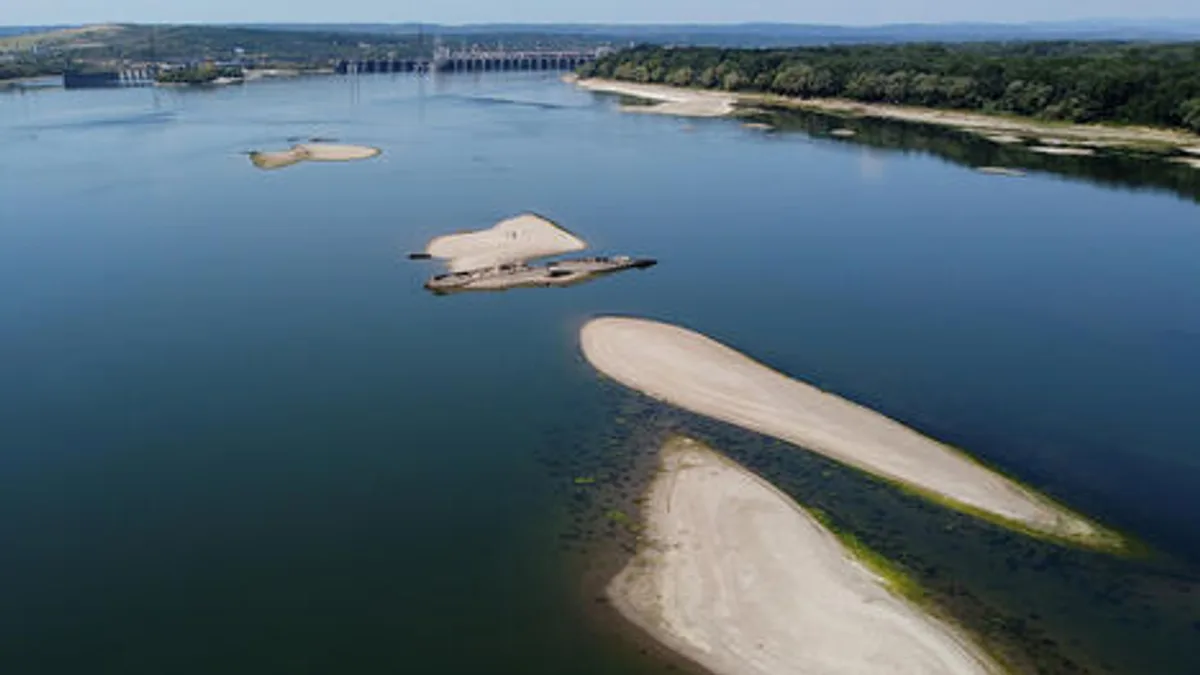
European ports and inland waterway operators are entering the summer season amid increased risks for river logistics. Falling water levels on the Rhine and the Danube are already creating threats to the stability of freight transport, the operation of port hubs and industrial supply chains in Central and Western Europe.
According to European port observers, Rhine gauge readings in June 2026 remain significantly below historical seasonal averages. The logistics market is paying particular attention to the section near Kaub, one of the key limiting points for navigation on the Middle Rhine. Water levels at this point largely determine the permitted loading capacity of barges operating between the Antwerp — Rotterdam — Amsterdam ports and industrial regions of Germany and France.
The low-water problem has a direct economic impact. When depths become insufficient, vessels are forced to sail with partial loads, and more voyages are required to transport the same volume of cargo. This increases carriers’ costs, triggers low-water surcharges on freight rates and places additional pressure on alternative routes — road and rail transport.
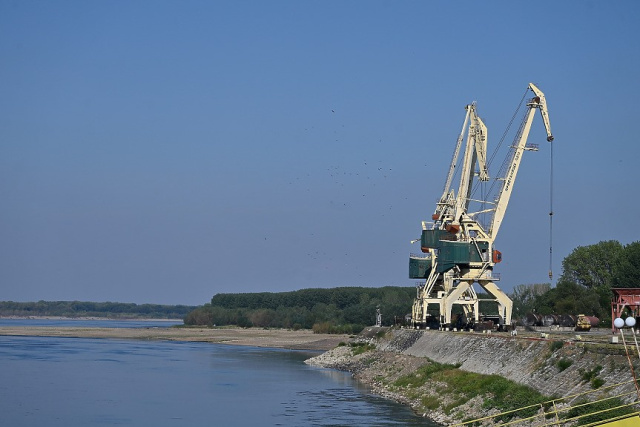
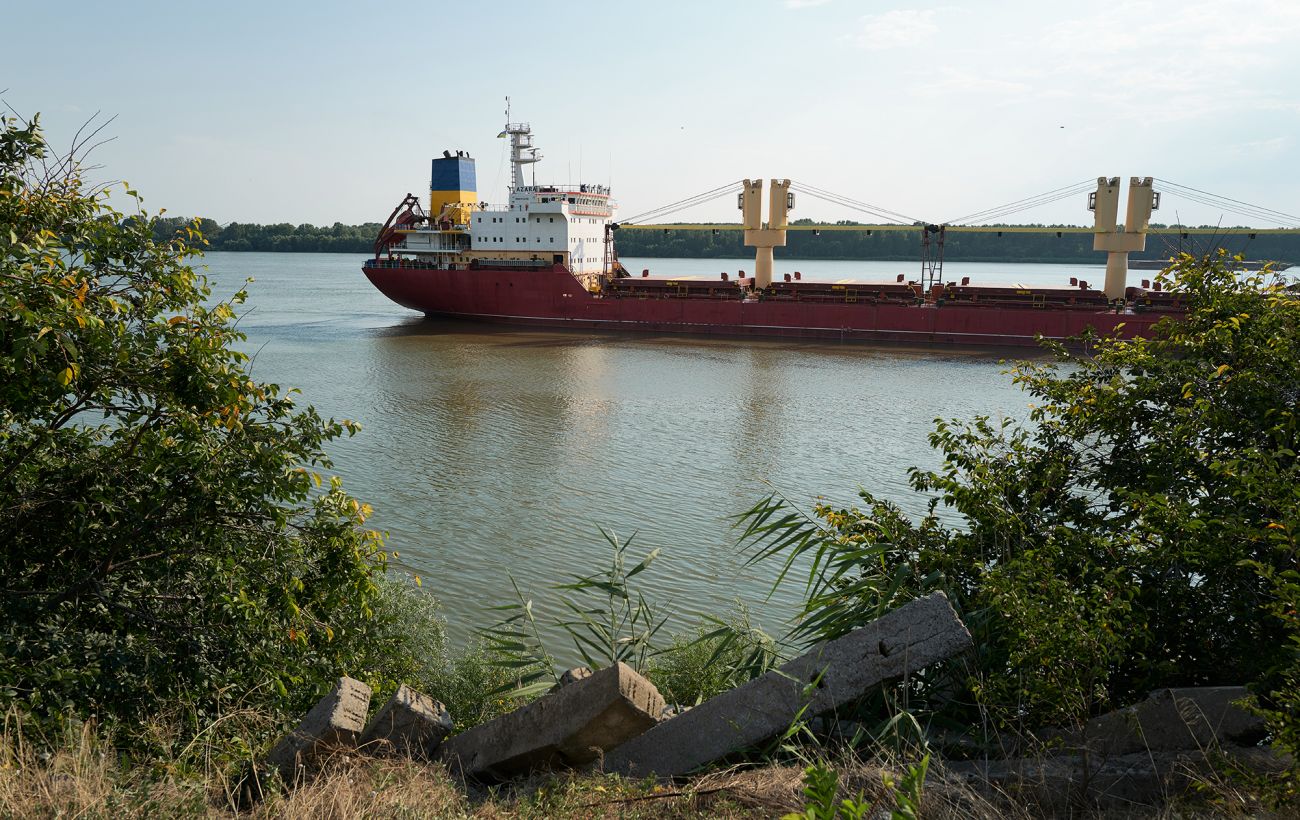
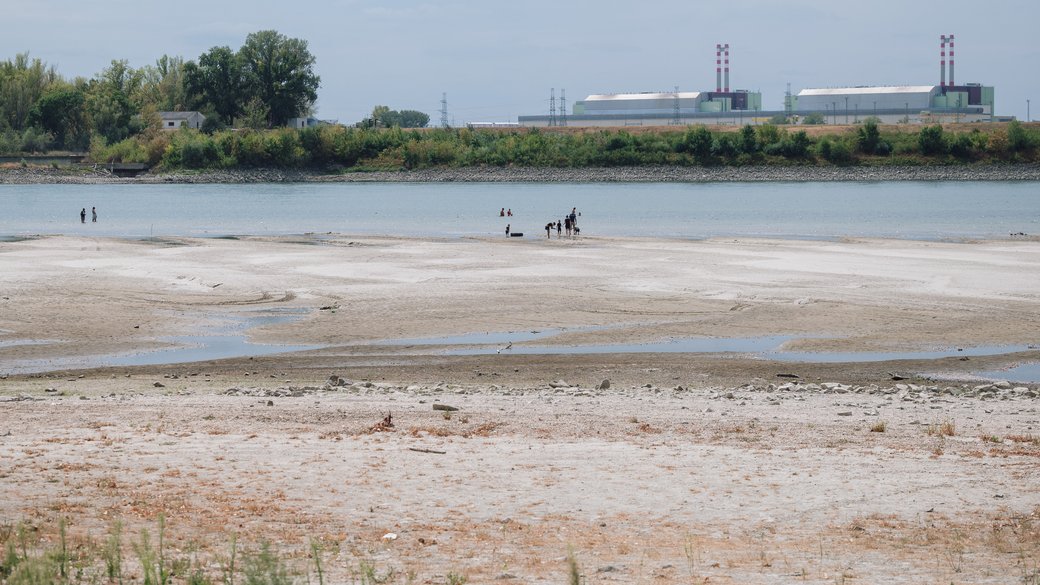
A similar situation is emerging on the Danube, where a lack of precipitation and high temperatures are increasing risks for navigation. For Danube logistics, this is particularly sensitive, as the river remains one of Europe’s key transport corridors, connecting the Black Sea, the Balkans, Central Europe and the EU’s industrial regions.
Low water on the Rhine and the Danube can no longer be viewed as a one-off seasonal problem. It is a recurring climate and transport risk that requires systematic planning by states, port administrations, shipowners and cargo shippers. European river logistics increasingly depends on the ability to move quickly toward multimodal solutions, create reserve routes, invest in dredging, digital monitoring of waterways and fleet adaptation to low-water conditions.
Comment by the Institute of Danube Research
For Ukraine, this trend has practical significance. Since the beginning of the full-scale war, Ukrainian Danube ports have become a critically important part of export and import logistics. Any deterioration of navigation conditions on the Danube affects not only the European transport market, but also the stability of Ukrainian trade routes, logistics costs and the competitiveness of cargo flows through Izmail, Reni and other ports of the Danube cluster.
Vitaliy Barvinenko, Director of the Institute of Danube Research, notes that falling water levels on European rivers directly affect Ukraine’s logistics security.
“The Danube today is not merely a regional waterway, but part of a broader system of European resilience. For Ukraine, it has become a strategic corridor during the war, which means that any climate or hydrological restrictions on the Danube must be considered a factor of economic security. Low water means reduced vessel loading, more expensive logistics, greater pressure on ports and the need for rapid reorientation of cargo flows.
For the Ukrainian Danube region, this is a signal that the development of the ports of Izmail, Reni and Ust-Dunaisk must be accompanied not only by increased transshipment volumes, but also by systemic adaptation to climate risks. Regular operational dredging, modern hydrological monitoring, coordination with Romania, Moldova and EU institutions, as well as the development of rail and road access to ports are needed. Danube logistics must be not a seasonal alternative, but a stable element of Ukraine’s and the European Union’s transport policy,” Vitaliy Barvinenko emphasized.
According to experts of the Institute of Danube Research, the events of summer 2026 confirm the need to revise approaches to inland waterway management. For Ukraine, this means strengthening the Danube cluster, integrating with the European TEN-T transport network, developing multimodal logistics hubs and creating mechanisms for rapid response to hydrological risks.
In the medium term, the competitiveness of Ukraine’s Danube route will be determined by the ability to combine port infrastructure, fleet capacity, railways, road transport and water-level forecasting.

 Bulgaria
 Hungary
 Romania
 Ukraine
 Moldova
 Serbia

 Danube