

Forced Replenishment of Lake Katlabuh Begins in Odesa Region Amid Critically Low Danube Water Levels
 Ukraine
18.08.2026
Ukraine
18.08.2026
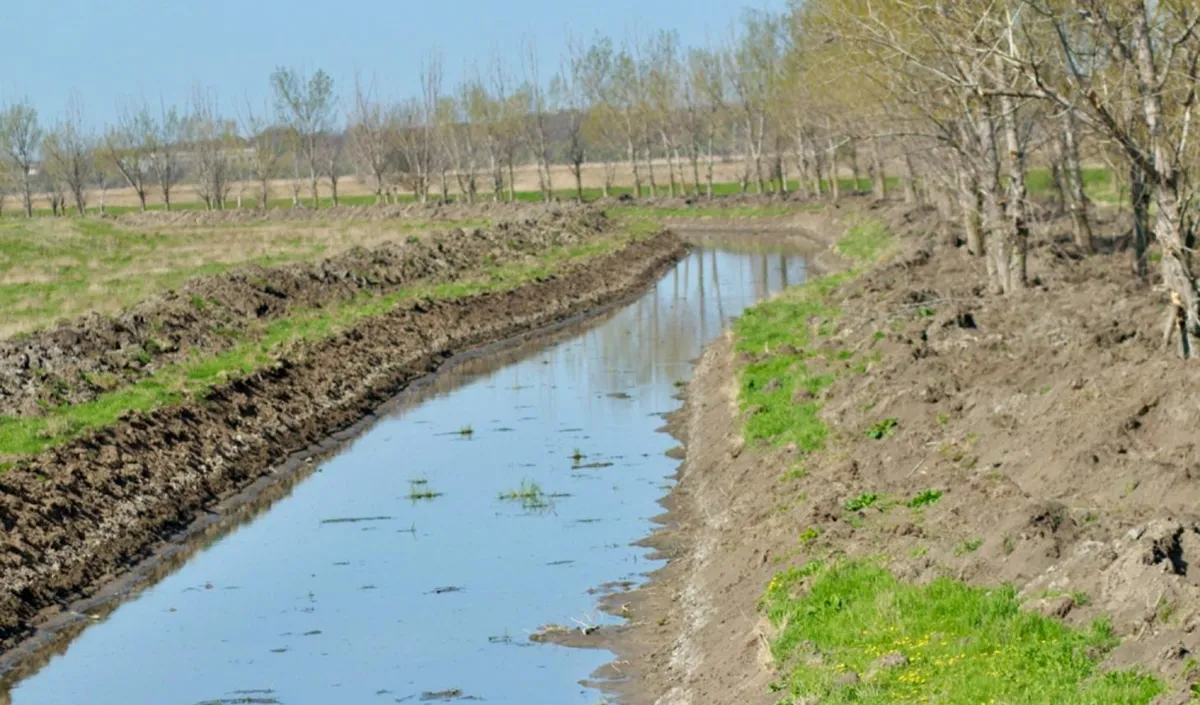
On 10 August, the State Agency of Ukraine for the Development of Land Reclamation, Fisheries and Food Programmes began the forced replenishment of Lake Katlabuh in the Izmail district of Odesa region. The main pumping station of the Suvorove Irrigation System, operated by the Izmail Water Management Administration, was put into operation to supply water to the reservoir.
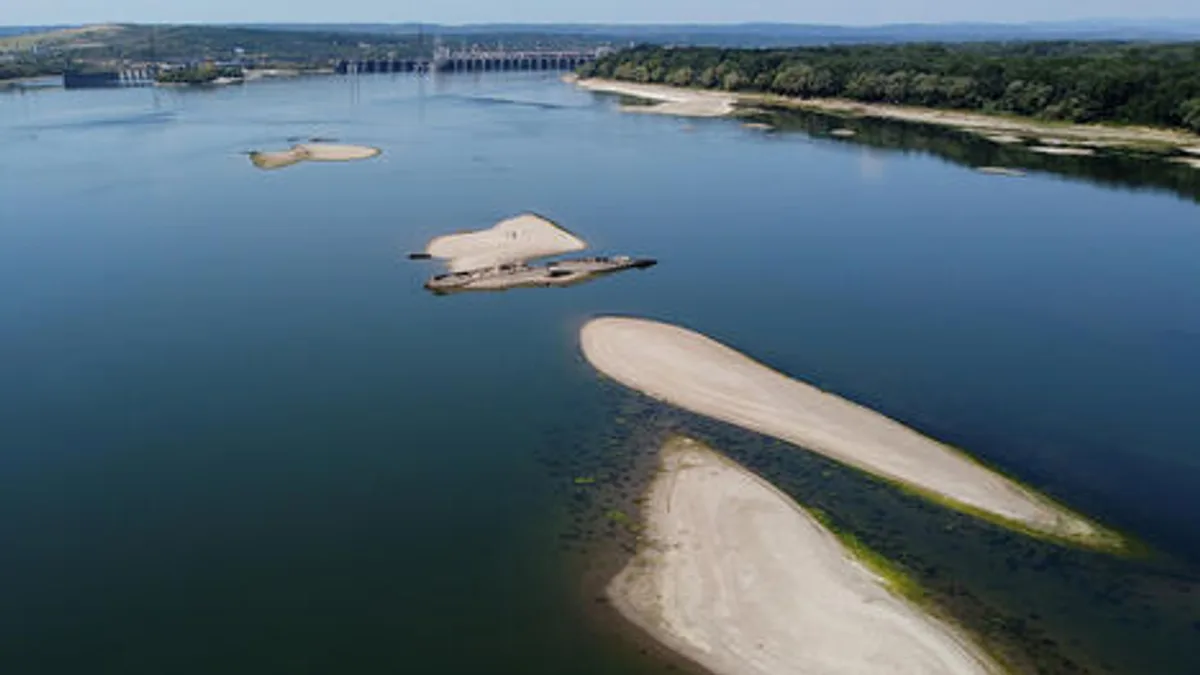
The emergency measure was prompted by a critical decline in water levels in both Katlabuh and the Danube. A further deterioration of the hydrological situation could have serious consequences for the aquatic ecosystems of Ukraine’s Danube region, the water supply of local communities and the agricultural sector.
The forced replenishment is being carried out under Cabinet of Ministers Order No. 503-r of 27 May 2026, as part of the State Target Programme for the Comprehensive Water Supply of Territories Affected by Hostilities.
Katlabuh is a strategically important water body for southern Odesa region. Its hydrological stability directly affects surrounding ecosystems, the water supply of local communities, irrigation of agricultural land and the economic resilience of the region.
At the same time, forced replenishment is primarily an emergency response. A long-term solution requires comprehensive modernisation of the entire water supply system. The first stage should be the reconstruction of the energy supply system serving the main pumping station of the Suvorove Irrigation System.
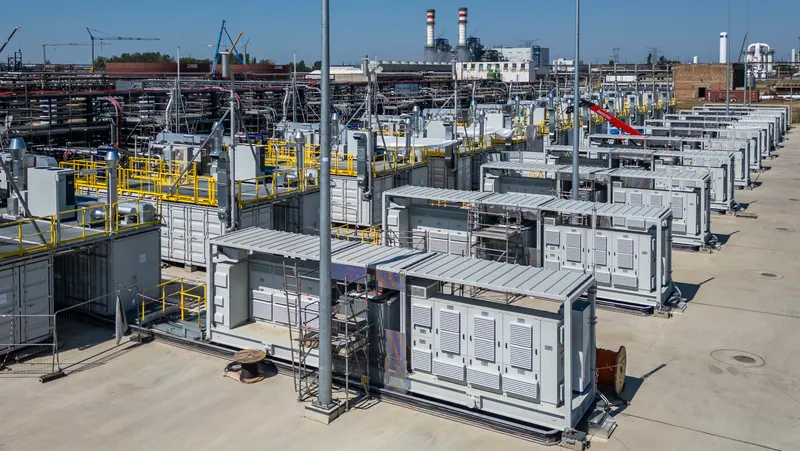
The project envisages installing a solar power plant and battery energy storage systems, as well as upgrading the pumping equipment. Implementation is scheduled to begin in 2026, with the energy-independent pumping station expected to become operational in April 2027.
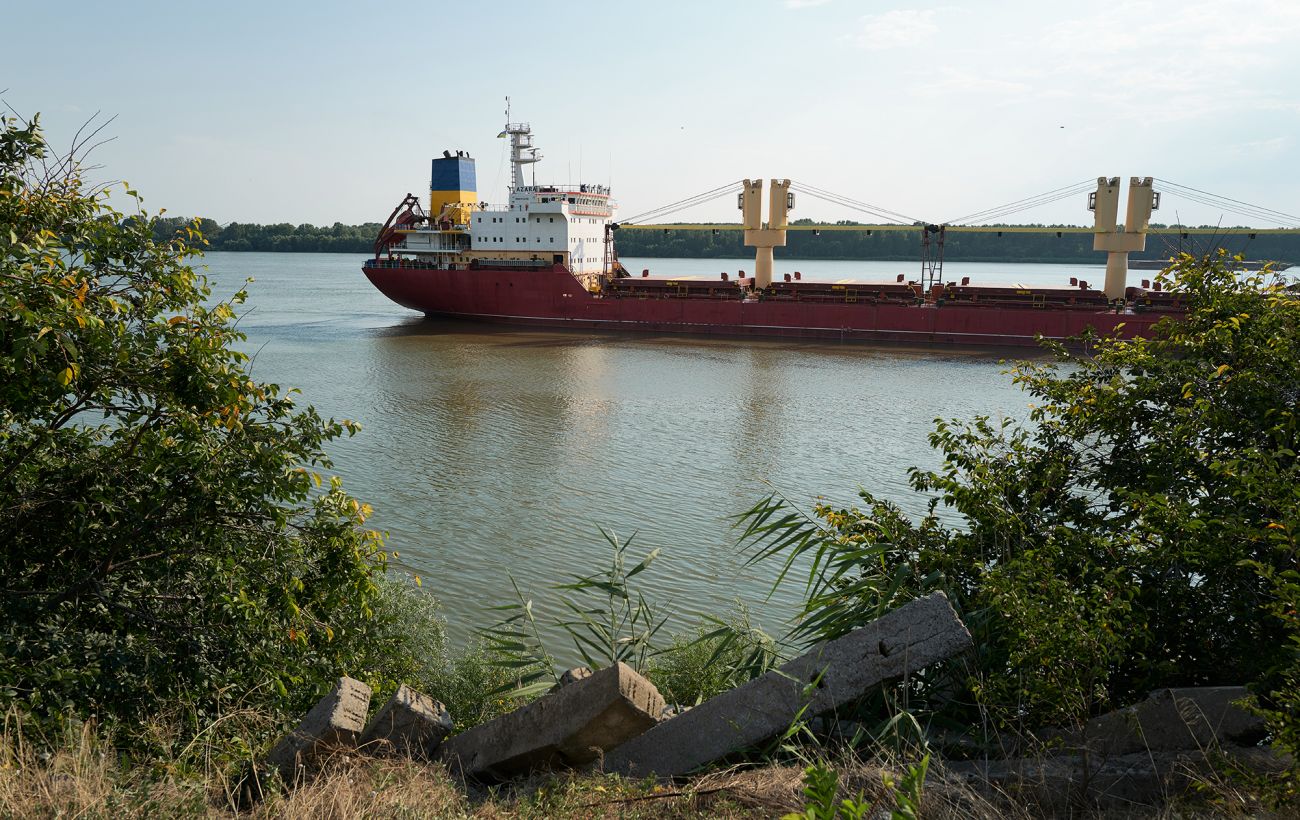
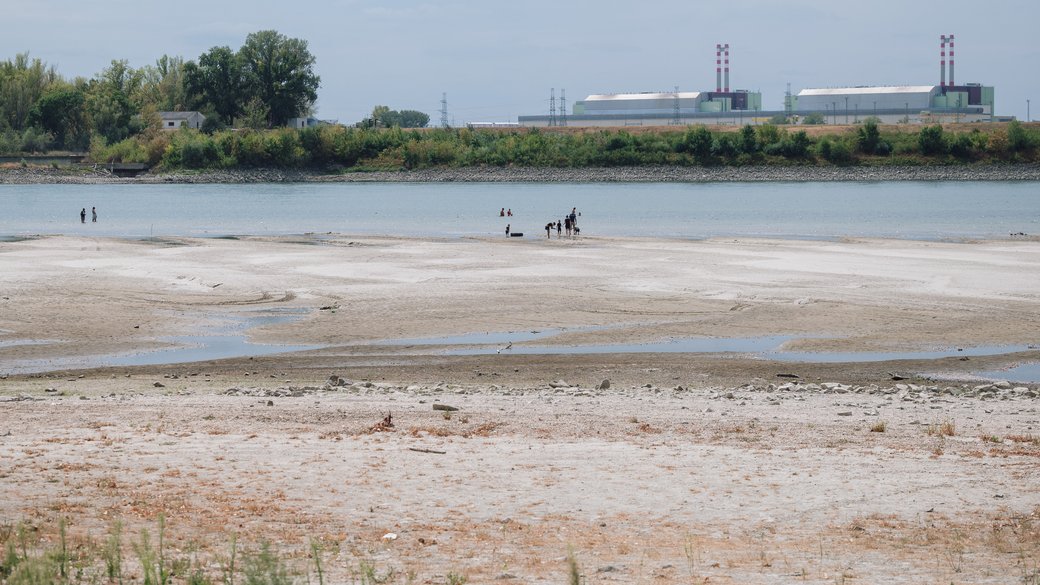
This summer, low water levels in the Danube have become a Europe-wide problem. In certain sections of the transboundary river, water levels have fallen to record lows, creating risks for navigation, energy generation, agriculture, drinking water supplies and natural ecosystems.
As the 2026 Chair of the International Commission for the Protection of the Danube River, Ukraine has initiated the preparation of a joint assessment of low-water conditions across the Danube basin countries.
“Climate change does not recognise national borders, and therefore our response to these challenges must also be developed jointly. Ukraine has proposed preparing a common assessment of the consequences of low water levels in order to demonstrate the scale of the problem, exchange practical response experience and strengthen cooperation in building climate resilience,” said Iryna Ovcharenko, Deputy Minister of Economy and Environment of Ukraine.
Another priority of Ukraine’s chairmanship is the development of coordinated approaches to drought assessment. Ukraine has already initiated work to improve the relevant system of indicators. This should enable earlier risk identification, more accurate forecasting of consequences and better-informed management decisions at both national and basin levels.
Comment by the Institute of Danube Research
The Institute of Danube Research stresses that the situation at Katlabuh demonstrates the systemic dependence of Ukraine’s Danube region on the hydrological regime of the Danube. Amid prolonged droughts and rising temperatures, the natural inflow into the Danube lakes and reservoirs is no longer sufficient to guarantee their ecological stability and economic functions.
“The forced replenishment of Katlabuh is a necessary measure, but it only addresses the immediate threat. The strategic objective is to establish an energy-efficient and climate-resilient water management system for the entire Ukrainian Danube region. Such a system should combine the modernisation of pumping stations and canals, the use of renewable energy, continuous hydrological and environmental monitoring, and coordination with other Danube basin countries,” the Institute noted.
According to the Institute’s experts, the modernisation of the Suvorove Irrigation System should become part of a broader programme for restoring the water bodies of Ukraine’s Danube region. Particular attention should be given to establishing environmentally acceptable water levels, reducing water losses during transportation, monitoring water quality and developing contingency scenarios for supplying communities and the agricultural sector.
The Katlabuh crisis confirms that low water levels in the Danube can no longer be regarded as a short-term seasonal phenomenon. They are becoming a structural climate risk that requires long-term planning, inter-agency coordination and joint solutions across the entire Danube basin.

 Bulgaria
 Hungary
 Romania
 Moldova
 Serbia

 Danube