

From Dialogue to Joint Action: Outcomes of Ukraine’s 6th National Participation Day within the EU Strategy for the Danube Region
 Danube
30.07.2026
Danube
30.07.2026
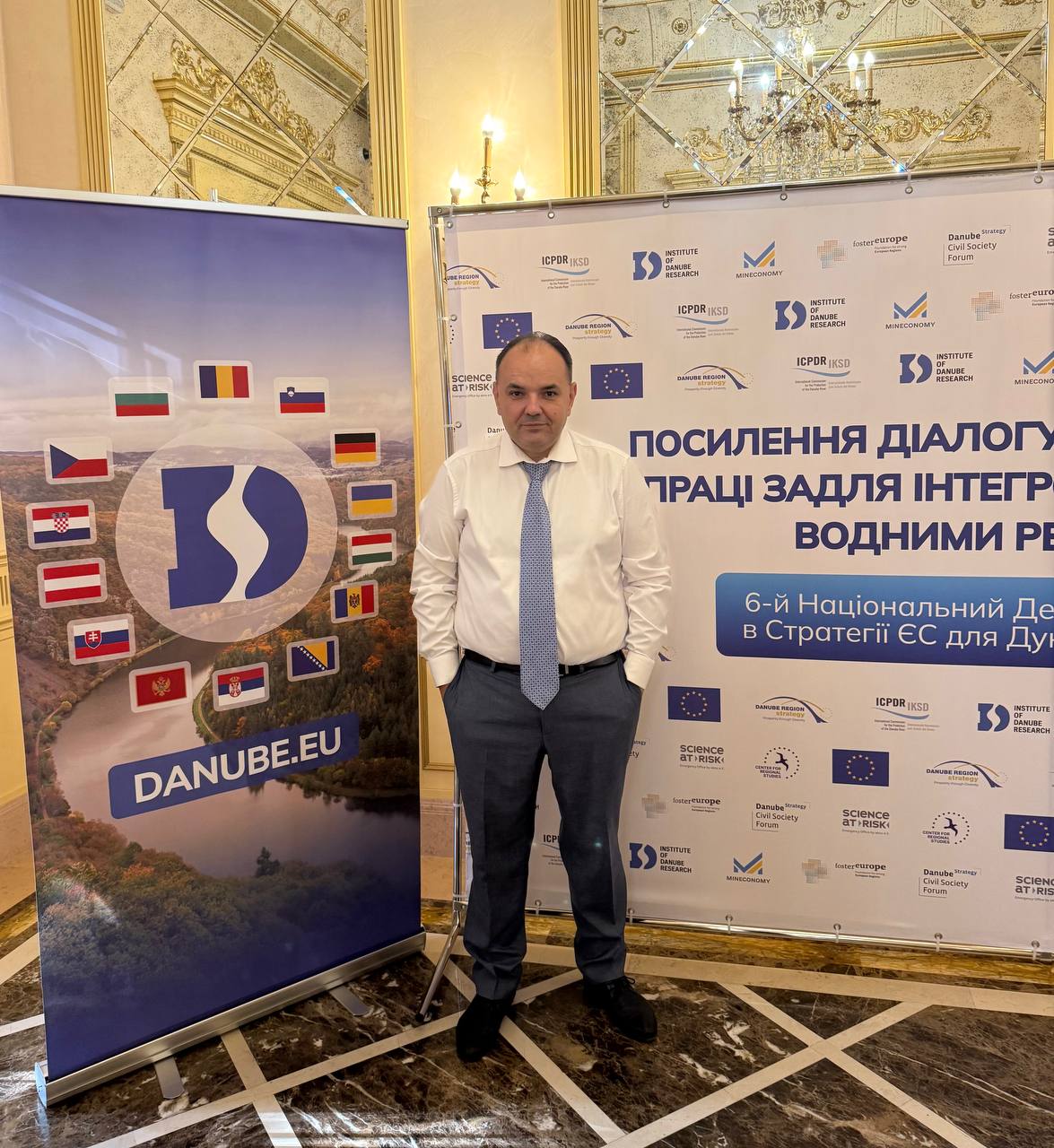
Vitaliy Barvinenko,
Director of the Institute of Danube Research
On 24 July 2026, Odesa became the centre of a nationwide and international dialogue on the future of water resources, environmental security and Ukraine’s European integration. The city hosted Ukraine’s 6th National Participation Day within the European Union Strategy for the Danube Region, co-organised by the Institute of Danube Research.
The event brought together representatives of central executive authorities, local self-government, international institutions, the academic community, environmental organisations and civil society. The composition of the participants demonstrated a fundamental point: modern water policy can no longer remain the exclusive competence of a single ministry, agency or specialised institution.
Water resources management is a complex matter of national security, regional development, local self-government, international cooperation and European integration.
The Danube Strategy as a practical path towards the European Union
The particular significance of the 6th National Participation Day lies in the fact that the discussion on the Danube extended far beyond purely environmental or water-management issues. It addressed Ukraine’s place in the common European space, its institutional capacity, international agency and ability to participate in shaping the future of the Danube Region.
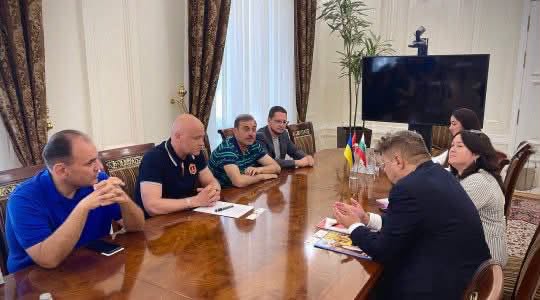
The event brought together representatives of the Ukrainian Government, the diplomatic corps, international organisations, the port sector, the expert community, academia and civil society. Some international participants joined the discussion online. This format confirmed that the future of the Ukrainian Danube region is not merely a local issue, but one of Europe-wide importance.
Key participants included Iryna Ovcharenko, Deputy Minister of Economy, Environment and Agriculture of Ukraine; Maria Špančik, President of the International Commission for the Protection of the Danube River; Birgit Vogel, Executive Secretary of the Commission; Ihor Hopchak, Head of the State Agency of Water Resources of Ukraine; Claudia Singer-Smith, Coordinator of Priority Area 10 of the EU Strategy for the Danube Region; Stefan August Lütgenau, President of the Danube Civil Society Forum; and other Ukrainian and international partners.
The discussion platforms also featured Serhiy Hrynevetskyi, former Head of the Odesa Regional State Administration; Dmytro Barinov, President of the Association of Ukrainian Ports “Ukrport”; representatives of the State Environmental Inspectorate of the South-Western District; and environmental and human-rights organisations. This made it possible to connect water policy with port development, transport infrastructure, environmental control, community recovery and international cooperation.
Ukraine must move from situational responses to a long-term policy
During the event, I emphasised that, amid the war and emerging security risks, Ukraine must reassess the opportunities offered by the EU Strategy for the Danube Region.
The Strategy is a unique platform where EU Member States, candidate countries, regional authorities, local self-government bodies, international organisations, research institutions and civil society interact. For Ukraine, it is an opportunity not to wait until the accession process is completed, but to work with European neighbours already today, participate in joint projects and help shape the regional agenda.
At the same time, it must be acknowledged that the attention paid by the Ukrainian state to the Danube Strategy still does not correspond to its actual significance.
A revealing example is the level of representation at a recent stakeholder event in Brussels: Ukraine was represented by only two participants, while the Romanian delegation included approximately forty. This is not simply a matter of numbers in the room. It indicates how systematically different countries defend their interests, prepare joint projects and influence the decisions of European institutions.
This situation stems from the absence of an integrated approach to Danube policy, frequent turnover among responsible officials and the considerable administrative distance between the Ukrainian Danube region and the central authorities.
As I noted during the discussion:
“The Danube is 800 kilometres away from Kyiv, and therefore officials in the relevant ministries, who change almost every year, find it difficult to understand what the Danube really means. They remember it only when grain exports must urgently be organised, while everything else is financed and developed on a residual basis.”
Our European neighbours plan the region’s development decades ahead. Ukraine, by contrast, has for a long time mainly reacted to crises: the blockade of maritime routes, shortages of export capacity, destruction of infrastructure or sharp fluctuations in water levels.
This approach must change. Ukraine’s Danube policy must be long-term, inter-agency and supported by appropriate resources.
Three main areas of discussion
The substantive work of the National Participation Day focused on three interrelated areas:
1. Practical implementation of river basin management plans;
2. Assessment of the consequences of Russian aggression for the aquatic ecosystems of the Danube Region;
3. Participation of civil society in restoring water resources and strengthening climate resilience.
Implementation of river basin management plans
The first year of implementing river basin management plans demonstrated the need to accelerate this work. Of the more than 1,600 measures envisaged, some are already being implemented, but the scale of the tasks requires a much greater mobilisation of financial, human and organisational resources.
Participants stressed that these plans are the principal instrument for implementing the EU Water Framework Directive. They define specific measures for restoring aquatic ecosystems, adapting to climate change, preventing pollution and ensuring water security. This concerns not only the Danube basin, but the entire system of water resources management in Ukraine.
A key condition for implementation is to strengthen basin councils and establish permanent cooperation among central authorities, local self-government, researchers, civil society organisations and international partners.
Ukraine’s Presidency of the ICPDR as a strategic opportunity
In 2026, Ukraine holds the Presidency of the International Commission for the Protection of the Danube River for the second time. This presidency should be viewed not merely as a diplomatic function, but as a practical instrument of European integration and protection of national interests.
The priorities of Ukraine’s presidency include strengthening water resilience in the context of climate change, assessing the impact of Russian aggression on the Danube basin and supporting implementation of the updated Danube River Basin Management Plan.
Maria Špančik, President of the International Commission for the Protection of the Danube River, emphasised that Ukraine’s presidency makes it possible to draw the international community’s attention to the environmental consequences of the war and to strengthen cooperation with other Danube countries.
For Ukraine, this is an opportunity to raise the issues of environmental damage, water security and infrastructure recovery to the level of shared European responsibility. River pollution, destruction of hydraulic structures and ecosystem degradation do not stop at national borders.
War against the environment: from research to legal accountability
A substantial part of the programme was devoted to the impact of hostilities on natural ecosystems. Representatives of civil society and human-rights organisations presented field research and approaches to the legal classification of environmental damage under Ukrainian and international law.
The discussion covered the investigation of environmental crimes, improvement of the legal definition of ecocide, and differentiation between ecocide, war crimes and other offences against the environment.
This discussion is of fundamental importance. Ukraine must not only record individual cases of pollution or destruction of natural sites, but also create an integrated evidence system suitable for international judicial and compensation mechanisms.
Ten years between two appeals
For me, the outcomes of the National Participation Day also have a personal and political dimension.
On 29 July 2016—exactly ten years ago—I publicly stated: “Ukraine must restore its position on the Danube.”
At that time, I spoke primarily about the need to invest in transport projects, restore the infrastructure of the Ukrainian Danube region, develop road, rail, sea and river transport, and strengthen Ukraine’s competitiveness in the international transit market.
In 2016, the central question was whether Ukraine could become one of the leading transport actors on the Danube.
Today, the task must be formulated more broadly.
Ukraine must be not only an important transport corridor. It must become an active participant in shaping the environmental, economic, infrastructural and security policies of the Danube Region.
The experience of the past decade has confirmed the validity of those assessments. The full-scale war demonstrated the critical role of the ports of Izmail, Reni and Ust-Dunaisk for Ukrainian exports. At the same time, it showed how dangerous a situational approach to strategic infrastructure can be.
The Danube must not be remembered only when seaports are blocked or an alternative grain export route has to be created urgently.
The region requires sustained state attention, modernisation of ports and rail and road access routes, development of the Ukrainian fleet, border infrastructure, water supply systems, environmental monitoring and support for territorial communities.
From restoring positions to leadership
Ten years after my first appeal, my position remains consistent, but it has acquired new meaning.
In 2016, the issue was Ukraine’s return to the Danube. In 2026, we must speak about Ukrainian leadership in shaping the future of the Danube Region.
Such leadership does not mean dominance over neighbouring states. It means the capacity to propose modern projects to partners, participate in developing joint decisions, protect ecosystems responsibly and serve as a reliable component of European transport and security networks.
Ukraine needs an integrated Danube policy that brings together:
· implementation of the EU Strategy for the Danube Region;
· development of Danube ports and multimodal corridors;
· implementation of river basin management plans;
· protection of aquatic ecosystems and the Danube Delta;
· documentation of environmental damage caused by the war;
· strengthening the role of communities in the Ukrainian Danube region;
· systematic representation of Ukraine in European institutions;
· attraction of international investment and grant funding.
The 6th National Participation Day demonstrated that Ukraine has the necessary partners, expertise and public demand. The next stage, however, must be a transition from conferences and declarations to sustained institutional work.
Ten years ago, I said that Ukraine had to restore its position on the Danube. Today, that is no longer enough. Ukraine must become one of the leaders of the sustainable, secure and competitive development of the entire Danube Region.

 Bulgaria
 Hungary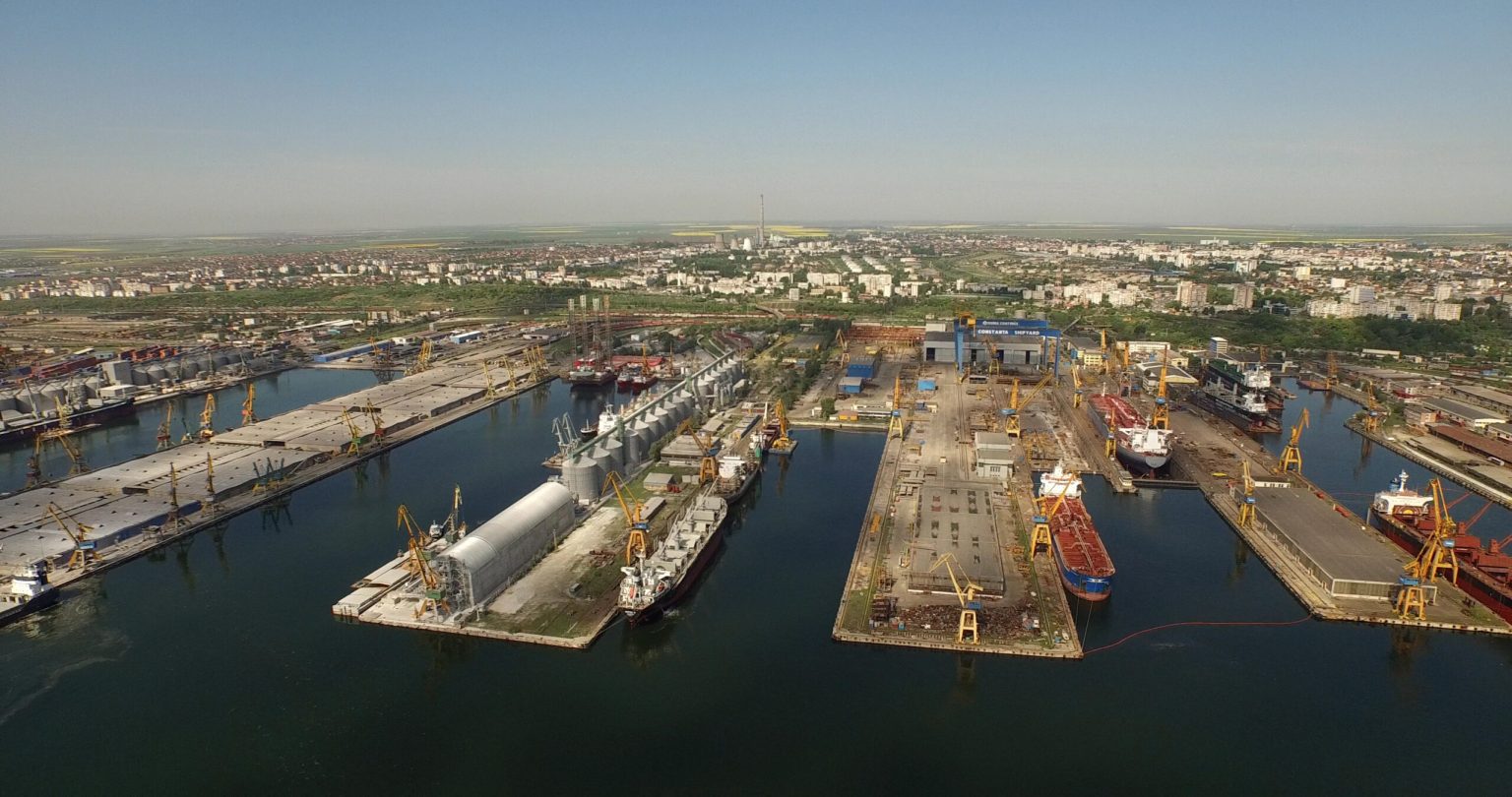
 Romania
 Ukraine
 Moldova
 Serbia