

Germany Introduces Emergency Logistics Measures amid Low Water Levels on the Rhine, Danube and Elbe
 Germany
07.08.2026
Germany
07.08.2026
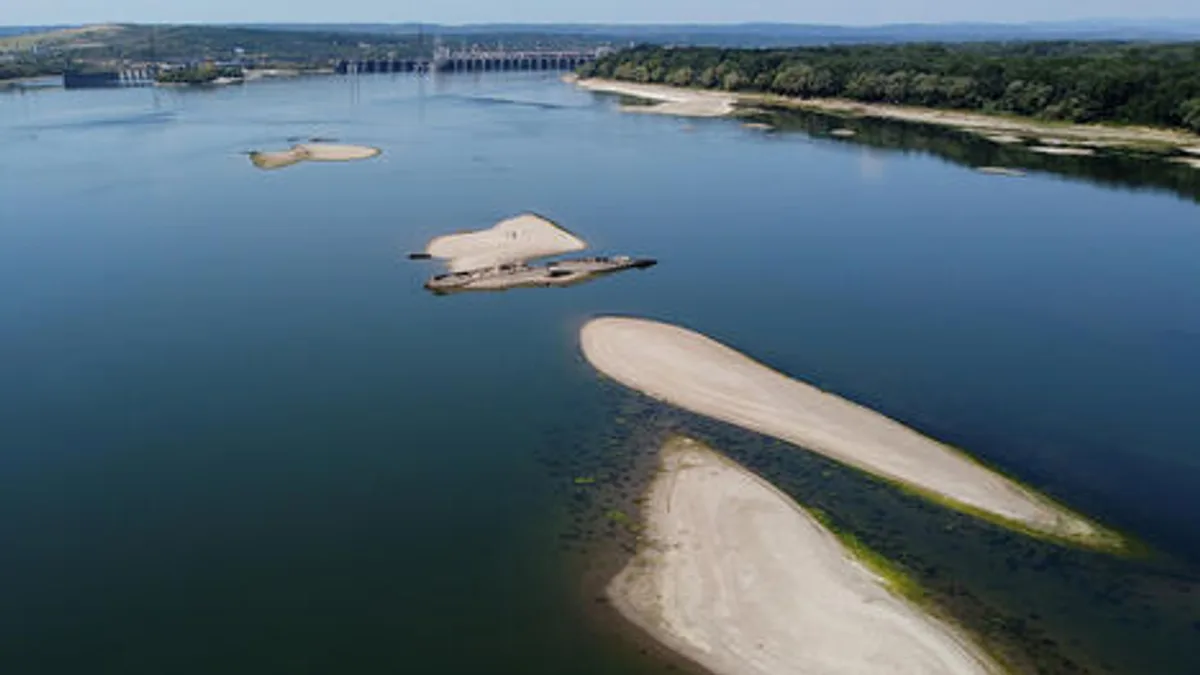
Germany is preparing a package of urgent measures to maintain freight flows and supply-chain stability amid critically low water levels on the Rhine, Danube and Elbe rivers.
Following a special low-water conference held in Bonn on 6 August, German Federal Minister of Transport Steffen Bilger said that part of the cargo currently moving by inland waterways may need to be rapidly redirected to road and rail transport.
One of the main short-term measures under consideration is the temporary relaxation of restrictions on truck traffic on Sundays and public holidays for categories of cargo most severely affected by disruptions to river navigation.
The Federal Ministry of Transport intends to coordinate the mechanism with Germany’s 16 federal states. At the same time, authorities are considering accelerated approval procedures for heavy road transport in cases where cargo has to be urgently shifted from waterways to roads.
“We cannot influence the weather, but we can ensure that our economy gets through these difficult weeks in better shape,” Bilger said.
German authorities are also seeking to minimise additional infrastructure bottlenecks. The state-owned company responsible for federal motorways has been instructed to reduce the impact of roadworks that can be postponed or avoided.
Some planned maintenance works at locks on inland waterways may also be delayed in order to prevent additional restrictions on navigation.
Rail transport is expected to play a particularly important role in the emergency response. According to the minister, DB Cargo is prepared to support industries affected by low water levels by shifting part of their freight from waterways to rail and by working with other operators to create additional cargo capacity across Europe.
This is especially important for supplies of energy resources, raw materials and industrial products, as the Rhine remains one of the principal transport corridors of the European economy.
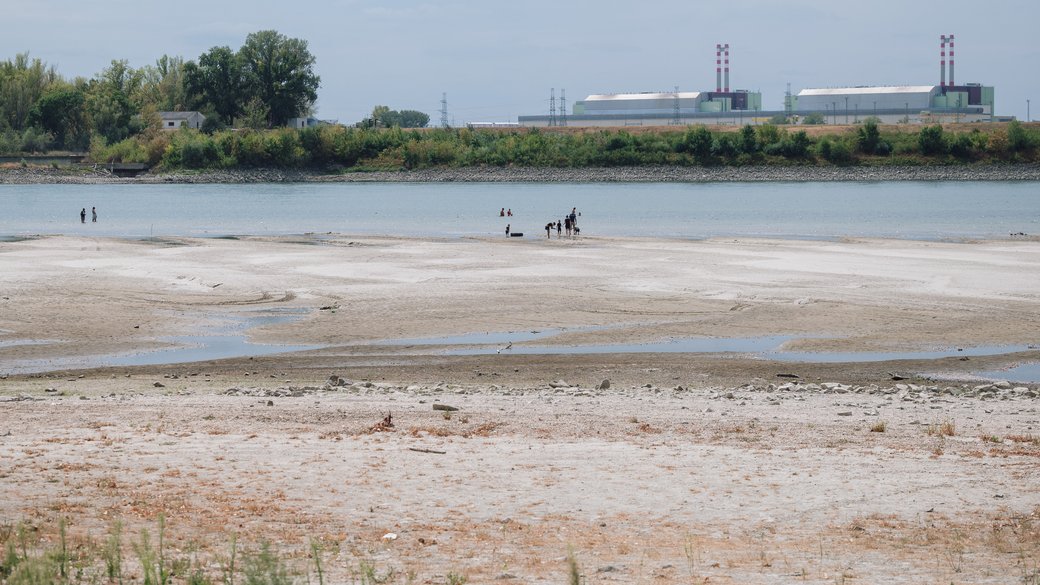
The situation is already developing beyond a purely transport-related problem. At the beginning of August, extremely low water levels were being recorded at a significant proportion of monitoring stations on the Rhine, Elbe and Danube.
Low water levels are directly affecting the economics of inland shipping. On difficult sections of the Rhine, vessels have been forced to substantially reduce their loads, sharply increasing the cost of transporting raw materials, fuel and industrial goods.
German economists have also warned that a prolonged period of low water could have a measurable impact on economic growth, particularly if transport restrictions affect major industrial supply chains.
At the same time, the German government has emphasised that adaptation of river infrastructure must not come at the expense of environmental protection or lead to further degradation of river ecosystems.
Comment by the Institute of Danube Research
The Institute of Danube Research notes that developments in Germany demonstrate how low water levels are shifting from being a seasonal natural phenomenon to becoming a systemic risk to Europe’s transport and economic security.
The simultaneous reduction in navigability of the Rhine, Danube and Elbe is particularly significant because it affects not merely an individual transport corridor but a substantial part of Europe’s inland waterway network.
Germany’s response is effectively based on the principle of multimodal resilience: when the capacity of inland waterway transport declines, the state seeks to create conditions for the rapid transfer of freight to railways and roads.
However, the present situation also highlights the limitations of such an approach. Rail and road corridors have finite capacity, while a large-scale shift of cargo away from rivers results in higher logistics costs, greater pressure on land-based infrastructure and additional environmental impacts.
For the Danube Region, this has strategic implications. The problem of low water levels can no longer be considered solely in terms of maintaining guaranteed navigational depths.
It requires comprehensive adaptation of the transport system, including stronger rail connections to ports, alternative road corridors, the development of modern low-draught vessels, digital management of cargo flows, and closer coordination among the countries of the Danube basin.
This experience is particularly relevant for Ukraine given the importance of the Lower Danube ports and the Danube transport corridor for the country’s foreign trade.
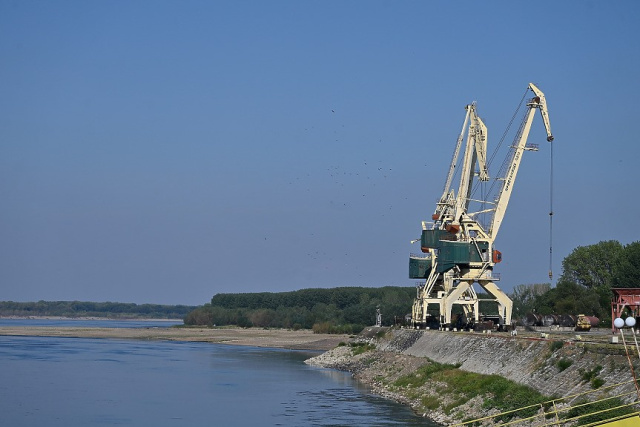
The ports of Reni and Izmail, together with their associated transport infrastructure, should therefore be viewed not as isolated logistics facilities but as integral components of a wider multimodal transport system within the Danube Region.
Climate change is gradually transforming the operating model of European inland waterway transport. Consequently, the hydrological condition of the Danube, Rhine and other major European rivers is becoming not only an environmental or hydrological issue but also a strategic question of economic resilience, energy security and European competitiveness.

 Bulgaria
 Hungary
 Romania
 Ukraine
 Moldova
 Serbia

 Danube