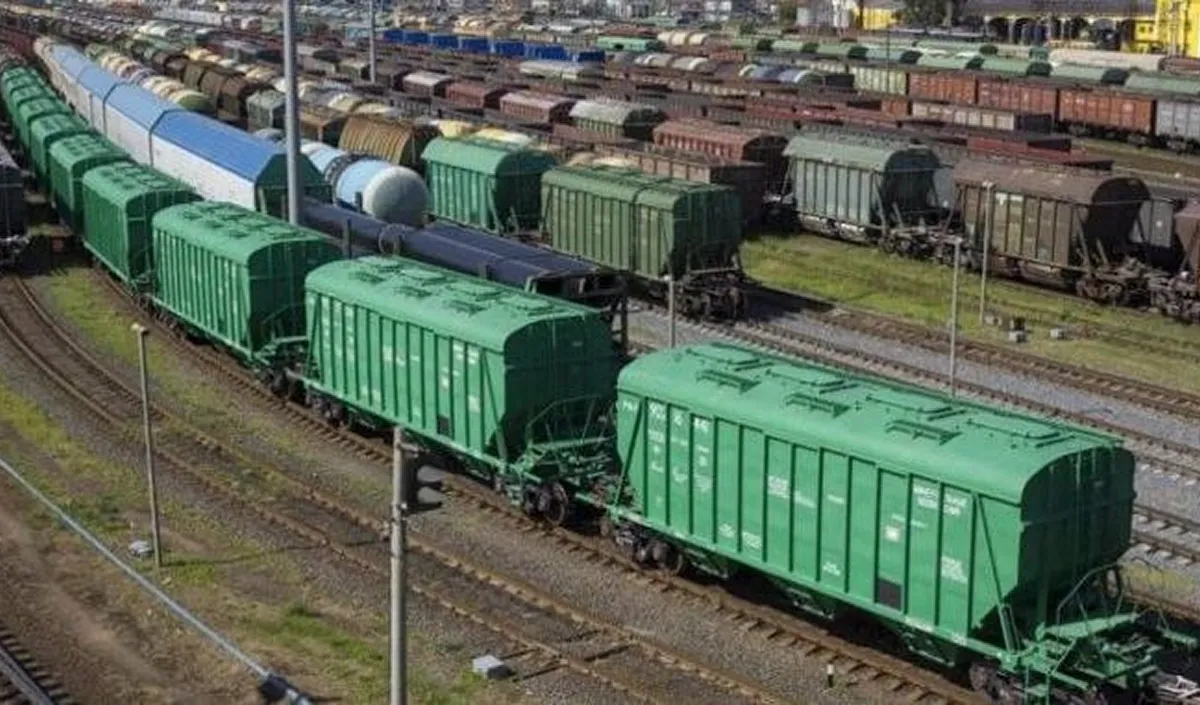


Giurgiulești Port Sets New Cargo Handling Record
 Moldova
13.10.2026
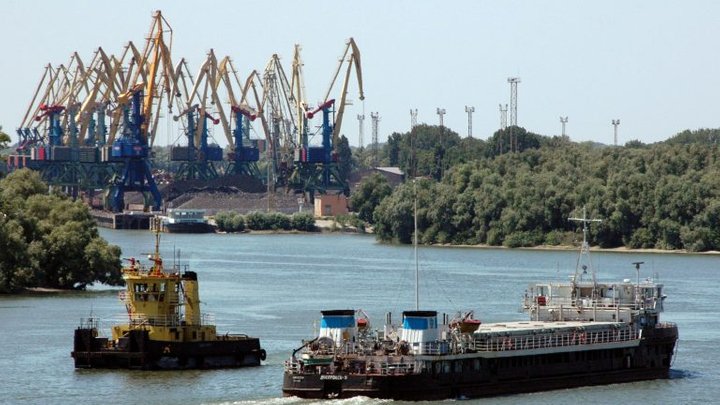
The Giurgiulești port complex in Moldova has recorded unprecedented cargo traffic figures in 2026. Between January and September, 1.64 million tonnes of cargo were exported through the port, representing a 16% increase compared to the entire year of 2025 and exceeding the previous record set in 2024 by 9.5%.
Agricultural products dominate export flows, with grains and oilseeds accounting for approximately 90% of shipments. Wheat remains the leading commodity, with exports reaching 834,500 tonnes, or 51% of the total volume.
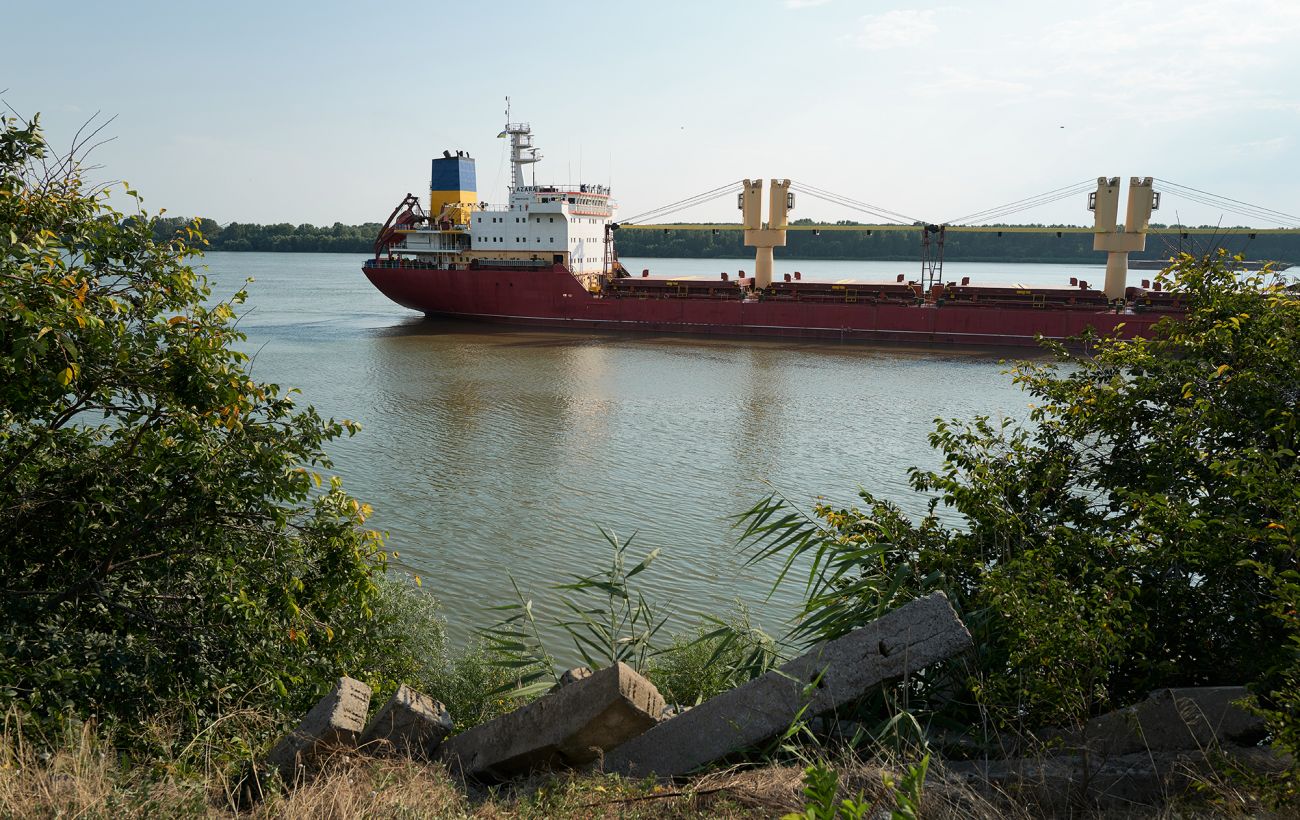
Imports by water transport amounted to nearly 1.1 million tonnes. The main imported commodities include construction materials, petroleum products, and mineral fertilizers.
A notable development in 2026 has been the expansion of sunflower seed trade. Exports reached 235,000 tonnes, while imports totaled nearly 104,000 tonnes. Some shipments arrive through the Romanian ports of Constanța and Galați for processing, transit, and re-export.
An important logistical factor has been the use of return cargo loads: after delivering sunflower seeds to Moldova, barges return to Constanța carrying Moldovan wheat.
Market participants also anticipate a possible increase in Ukrainian sunflower seed supplies to Giurgiulești toward the end of the year.
Commentary by the Institute of Danube Research
According to IDR experts, Giurgiulești Port's record performance demonstrates Moldova's growing role in the regional transport and logistics system of the Lower Danube.
The development of integrated logistics routes connecting Giurgiulești, Galați, Constanța, and the Ukrainian Danube ports of Reni and Izmail is becoming increasingly important.
At the same time, the high concentration of cargo flows in the agricultural sector creates dependence on seasonal factors, global grain prices, and the Danube's hydrological conditions. Low water levels restrict vessel loading capacity and increase transportation costs.
IDR experts also believe that Giurgiulești's further development should be based on cargo diversification, modernization of port infrastructure, and deeper transport cooperation between Ukraine, Moldova, and Romania.
Expanding trilateral navigation coordination, developing multimodal transport, and improving the efficiency of return cargo operations could become important priorities.
The growth of cargo turnover at Giurgiulești once again confirms the strategic importance of the Lower Danube as one of the key transport corridors connecting Ukraine, Moldova, and the European Union.

 Romania

 Hungary
 Ukraine







 Bulgaria
 Danube


 Serbia