

Grain stevedoring company offered for sale at the Port of Reni, with potential annual throughput of up to 350,000 tonnes
 Ukraine
28.09.2026
A 100% stake in a stevedoring company specialising in grain handling has been put up for sale at the Port of Reni. According to InVenture, the facility’s stated potential throughput is up to 350,000 tonnes annually. The asking price has not been disclosed.
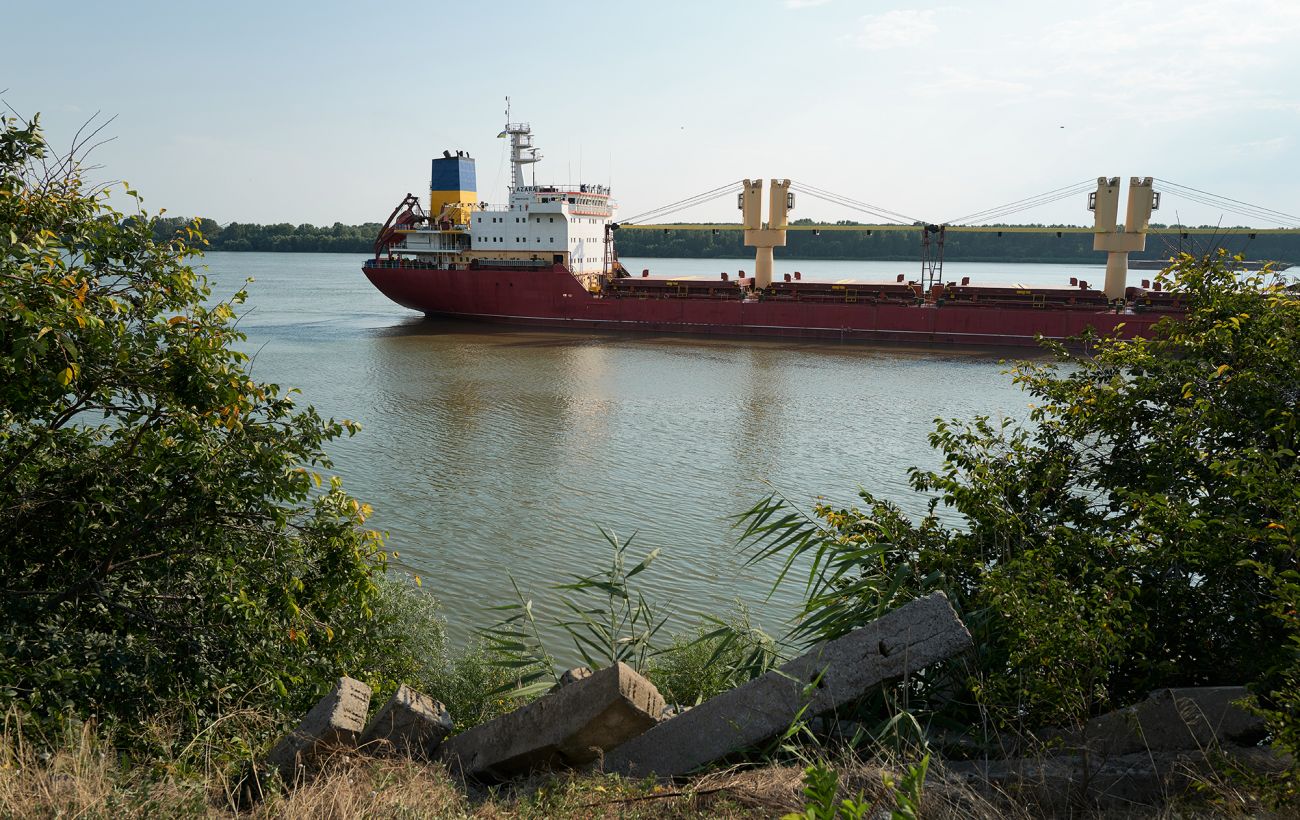
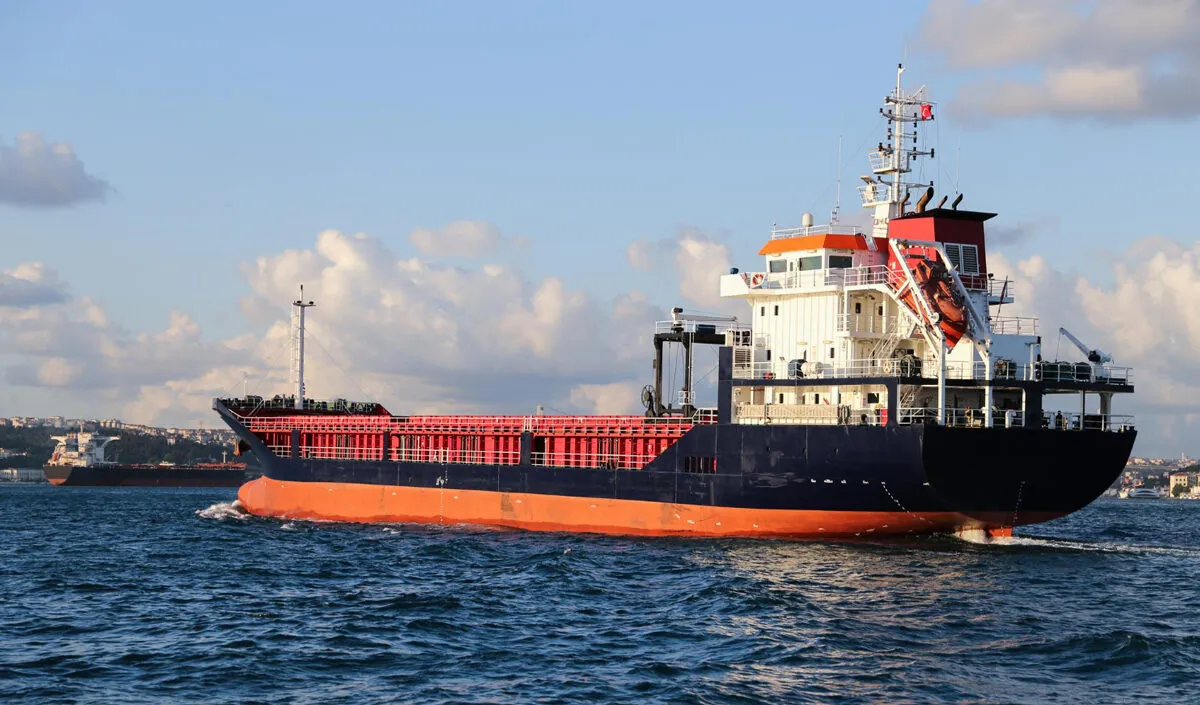
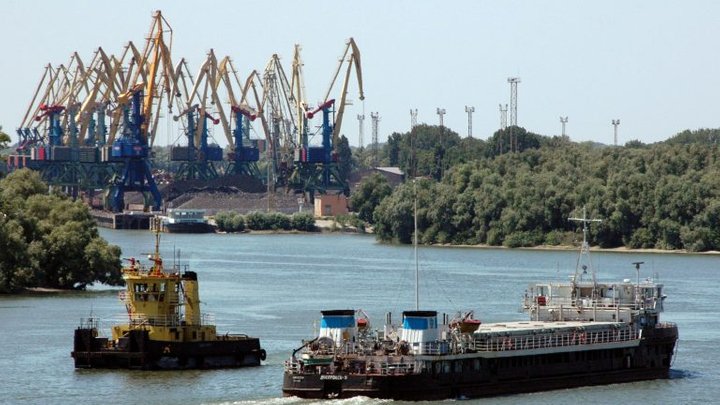
The company holds port operator status and provides access to maritime and river berths. It is also a registered participant in the Reni Special Economic Zone, within which an investment project for the terminal’s reconstruction has been approved. The berth infrastructure can accommodate river vessels and seagoing ships with a carrying capacity of up to 15,000 tonnes.
The facility is located in the second cargo district of Reni Commercial Sea Port, approximately 500 metres from the berths. Its leased land plot covers 7,500 square metres. The assets include a 2,000-square-metre flat-storage warehouse capable of holding approximately 4,500 tonnes of wheat at a time.
Grain-handling equipment comprises seven screw conveyors, two belt conveyors, two ZM-100 grain throwers and two JCB telehandlers fitted with grain buckets. The facility has an 80-tonne truck weighbridge. An additional new weighbridge could be commissioned as part of the investment project.
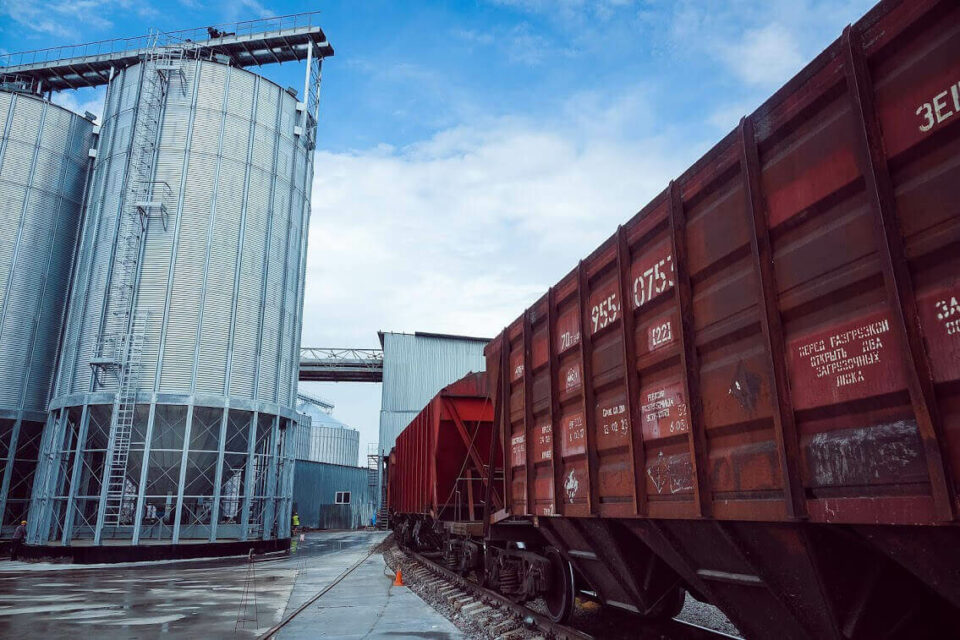
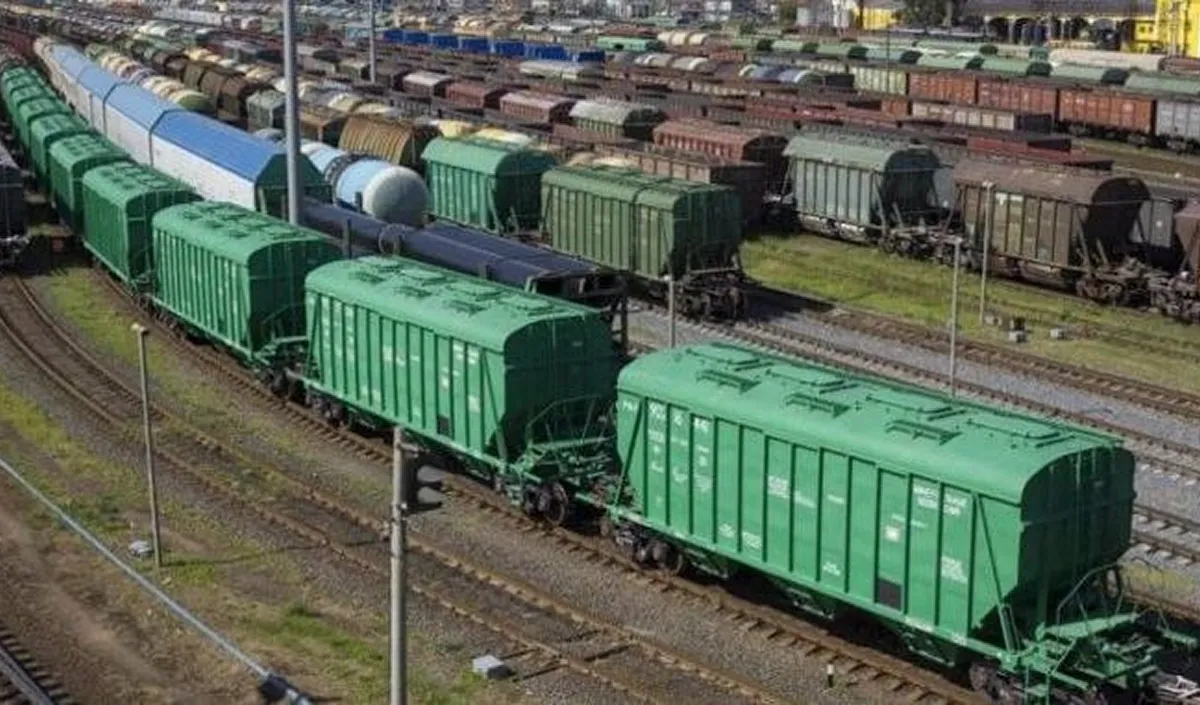
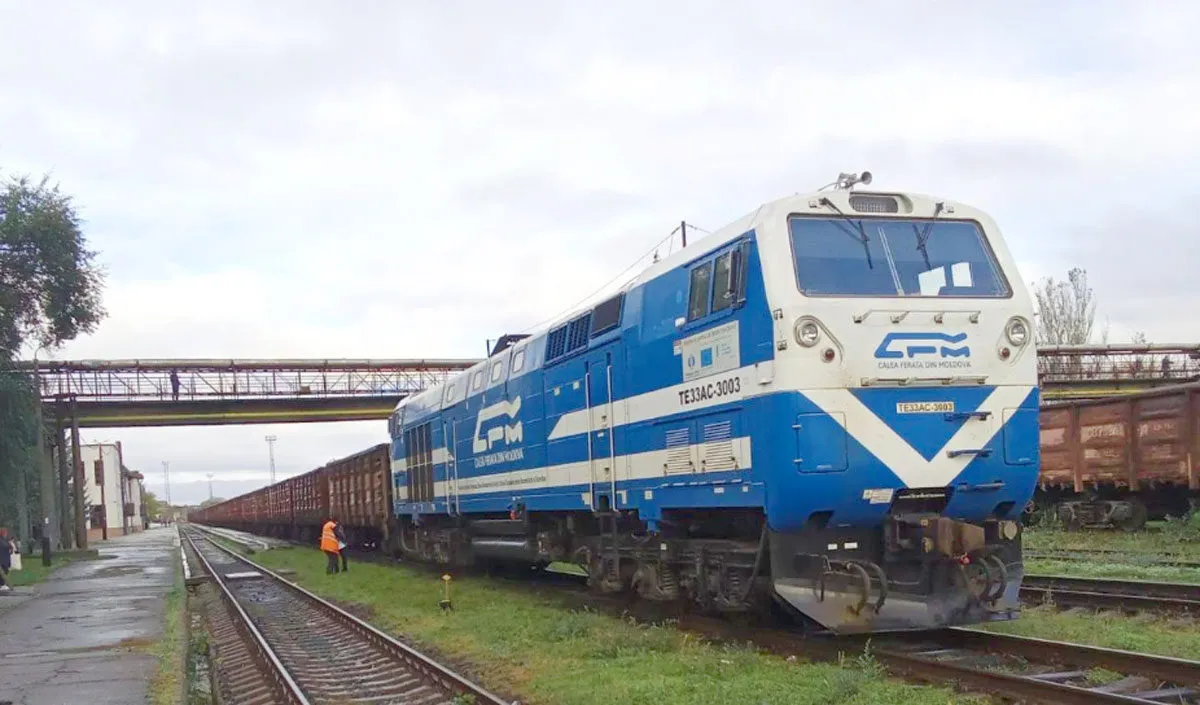
A railway track runs alongside the warehouse and leased plot, offering the possibility of developing a rail wagon unloading facility. The reconstruction project envisages installing silos with a combined storage capacity of approximately 11,000 tonnes and an automated system for transferring grain from rail wagons into the warehouse.
Commentary from the Institute of Danube Research
The investment significance of facilities of this kind lies in the combination of storage infrastructure, berth access and rail and road connections. Modernising grain terminals in Reni could strengthen the port’s role in Ukraine’s export logistics and support transport links with Moldova and Romania.
However, the stated figure of 350,000 tonnes per year should be understood as potential throughput rather than a verified volume of actual operations. Achieving it will depend on completing the reconstruction, securing stable cargo flows, organising grain transfers to the berths and ensuring sufficient capacity in the connecting transport infrastructure.
From a Danube regional development perspective, a key outcome of any ownership change should be investment in terminal modernisation. Expanding storage capacity and automating rail wagon unloading could improve grain-handling efficiency. Nevertheless, the facility’s competitiveness will depend on the total cost and predictability of the entire logistics route, taking into account security risks and navigation conditions on the Danube.

 Romania

 Hungary


 Moldova

 Bulgaria
 Danube

 Serbia