

Greetings on the occasion of International Danube Day

Today we mark International Danube Day — the day of a great European river that for centuries has shaped a space of coexistence, trade, culture, security and shared responsibility.
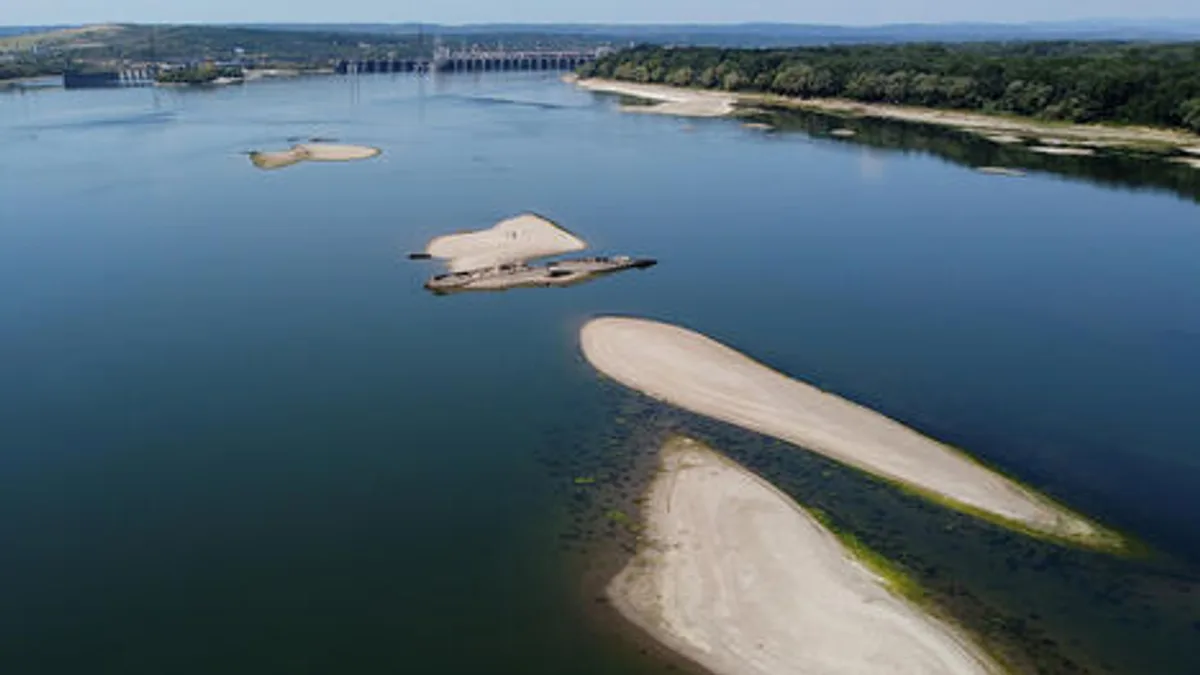
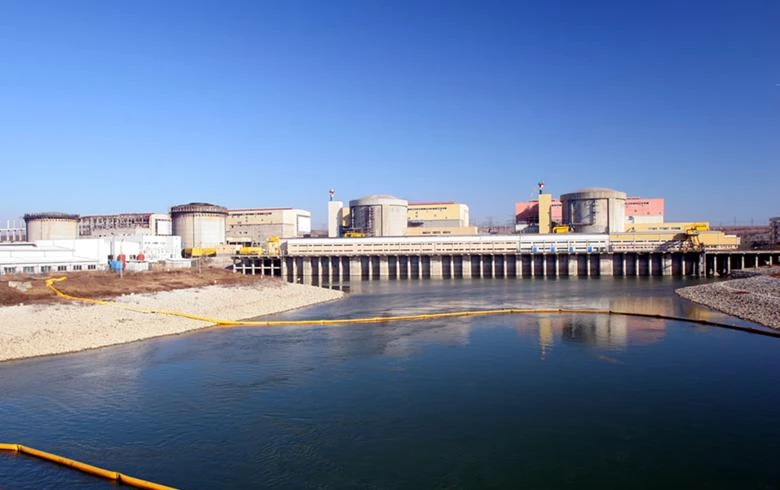
The Danube River Basin unites 14 countries and around 100 million people. Dozens of cities and hundreds of villages are located along its banks. Four European capitals — Vienna, Bratislava, Budapest and Belgrade — were built on the banks of this Great River.
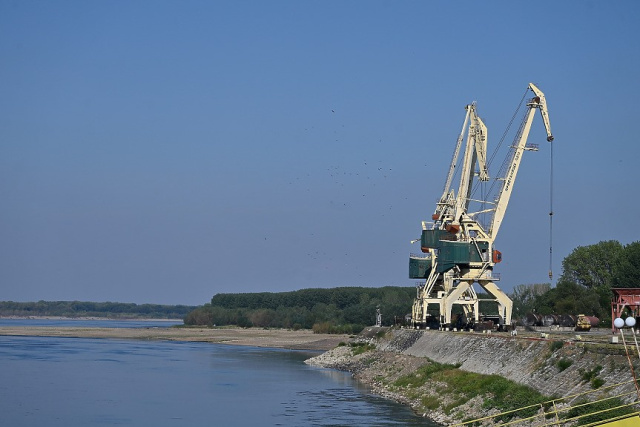
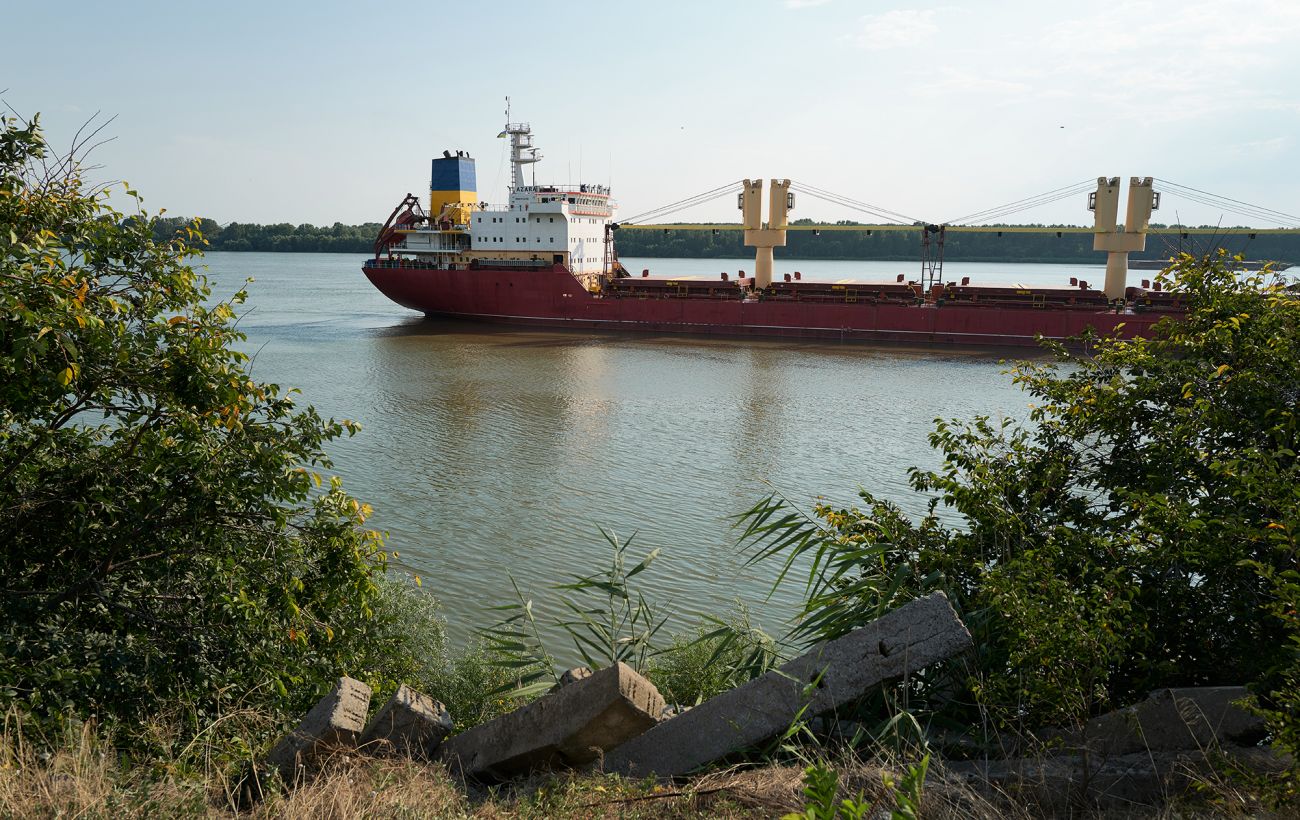
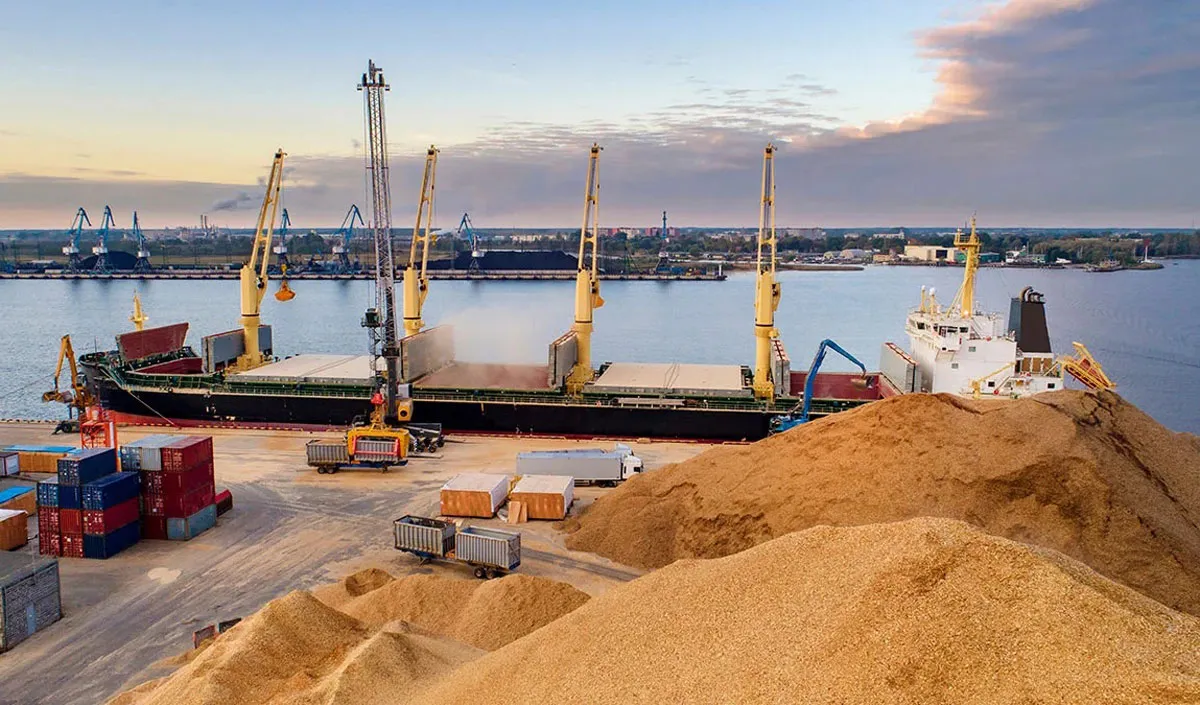
For Ukraine, the Danube has special strategic significance. During the full-scale war, the Danube became one of the key routes of the country’s economic resilience, taking on a significant share of Ukraine’s foreign trade turnover. Through the Danube region passed not only cargo, but also the destinies of millions of people fleeing the horrors of war.
In my own life, the Danube is linked to the years I worked in Parliament, where I had the honour of representing Ukraine’s Danube region. I am also especially proud to hold the title of Honorary Citizen of Vylkove — a true pearl of the Danube.
Danube Day is a common European event celebrated every year on 29 June in the countries of the river basin under the auspices of the International Commission for the Protection of the Danube River. In 2026, Ukraine holds the Presidency of this Commission, which creates a special opportunity for our country — not only to participate in regional dialogue, but also to shape its own agenda for the future of the Danube.
The Danube is the second-longest river in Europe. Its length is about 2,860 km, and its catchment area exceeds 800,000 km². The river flows through the territory of ten states — Germany, Austria, Slovakia, Hungary, Croatia, Serbia, Bulgaria, Romania, Moldova and Ukraine — while its basin fully or partially covers a much wider area of Central and South-Eastern Europe.
The Danube flows into the Black Sea, forming the unique Ukrainian-Romanian delta, which is included on the UNESCO World Heritage List and is one of Europe’s most valuable natural complexes.
Unfortunately, Ukraine still does not have a comprehensive state policy on the Danube.
There are numerous strategies, initiatives, programmes and aspirations to use the potential of the river — its transport, natural and economic opportunities. Yet Ukraine still lacks a deep vision for decades and centuries ahead: a vision of the Danube’s role in state-building, national security, economic development and European integration.
Unlike Romania, where the Danube is regarded as a fundamental element of national security, in Ukraine the Danube direction has not yet received the strategic status it deserves. There is still no separate analytical track on Danube policy at the level of the National Security and Defence Council of Ukraine.
The Danube is not merely a river. It is an axis of European cooperation, a natural corridor between Central Europe, the Balkans and the Black Sea, a space of shared identity and responsibility.
Regardless of culture, history or state borders, all Danubian peoples have one mission — to protect this vital resource and to use its potential responsibly.
By establishing the Institute of Danube Research, my team and I seek to fill the geostrategic vacuum that has existed for years in Ukraine’s approach to the Danube. Our task is to develop a systemic vision, analytical work and proposals that will help Ukraine understand the Danube not as a periphery, but as one of the key directions of its own development.
In many European cities and villages located along the Danube, this day has already become a genuine celebration of local communities, not just a formal date in the calendar.
I sincerely hope that this will also become true in Ukraine.
Happy Danube Day to everyone for whom this river is a second home, a source of livelihood, a place of strength and peace for the soul.
To everyone united by the Danube — regardless of country, nationality or culture.
Vitaliy Barvinenko,
Director of the Institute of Danube Research

 Bulgaria
 Hungary
 Romania
 Ukraine
 Moldova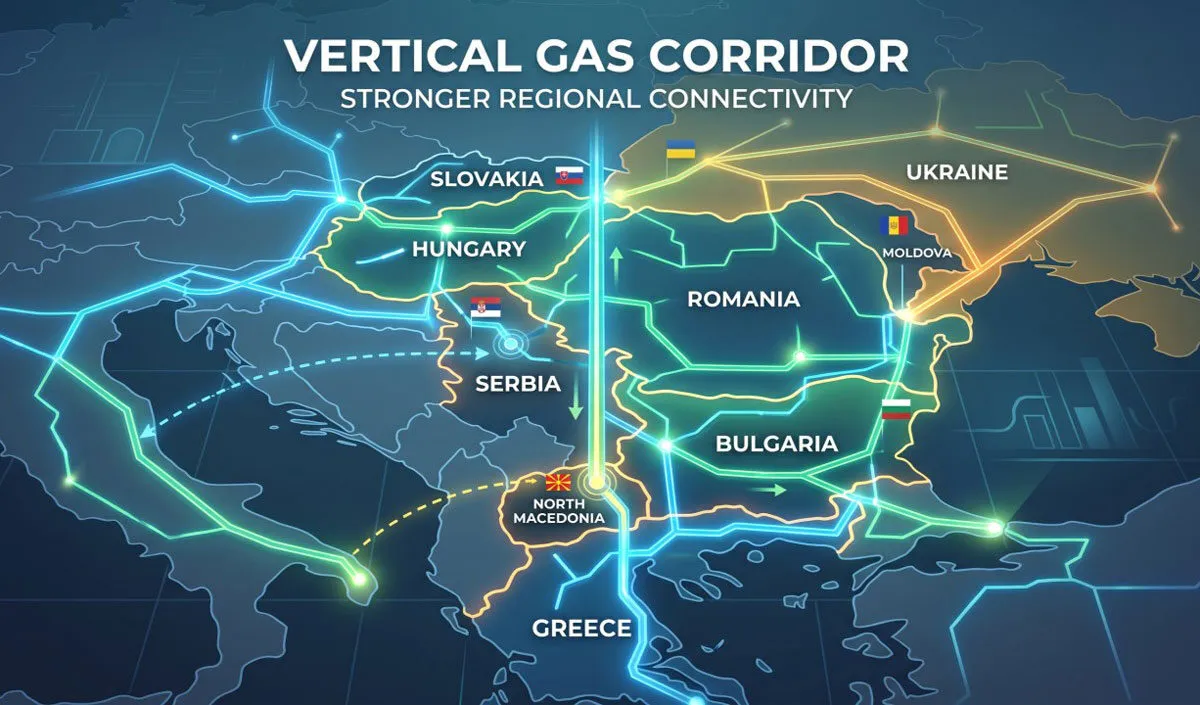
 Serbia
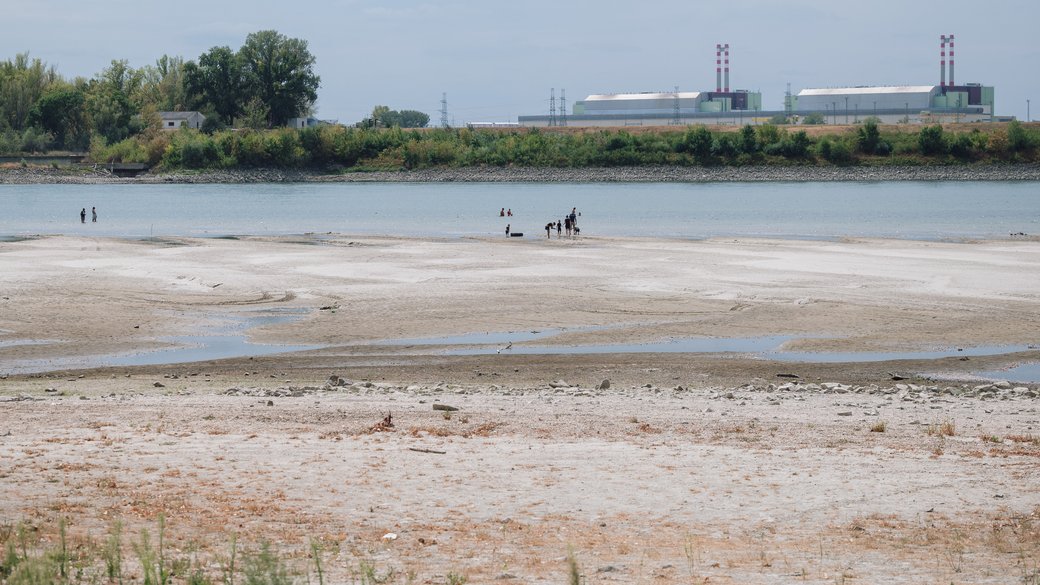

 Danube