

Inflow into the Dniester Reservoir Increases, but Low-Water Conditions Remain a Concern
 Moldova
19.10.2026
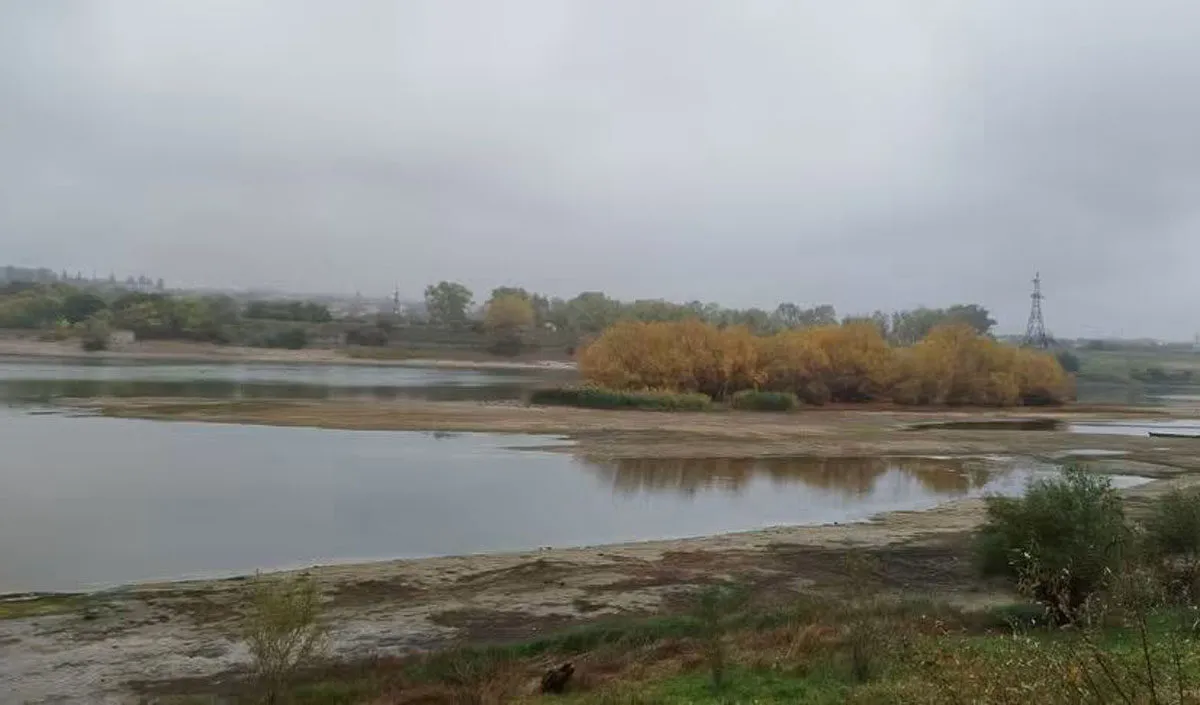
A slight improvement in hydrological conditions has been recorded in the Dniester River basin. Inflow into the Dniester Reservoir has increased from 28–30 to 47 m³/s, while the water level has risen by 3 cm to 110.96 metres. However, the forecast precipitation remains insufficient to substantially restore the river's water resources.
This was reported by Ilia Trombitsky, Executive Director of the international environmental association Eco-TIRAS.
According to the expert, approximately 30 mm of precipitation is expected in the upper Dniester basin over the next two weeks, which is unlikely to significantly replenish water resources.
Nevertheless, he noted that, under current conditions, no deterioration in the water supply situation is expected during the coming month.
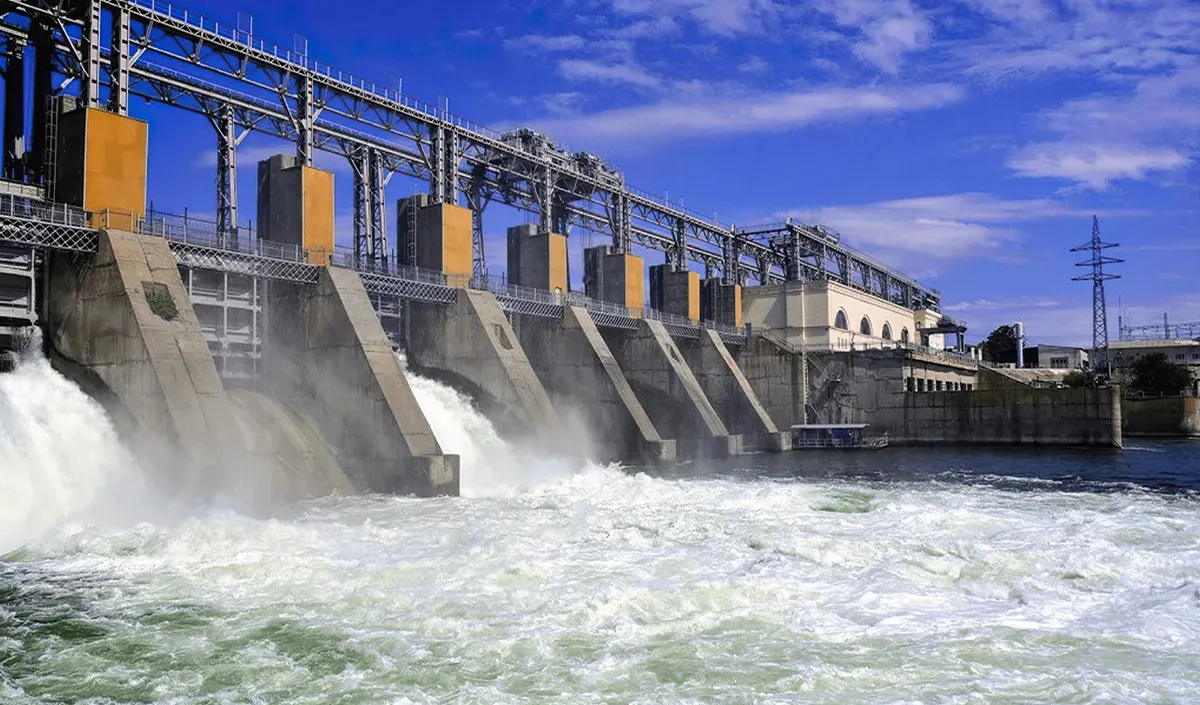
Positive developments have also been observed at the Dubăsari Reservoir, where inflow increased to 75 m³/s following rainfall, while the water level rose by 8 cm to 28.10 metres.
Despite these improvements, the Dniester's hydrological situation remains unstable, with future developments largely dependent on precipitation levels in the Carpathian region.
Commentary by the Institute of Danube Research
The Institute of Danube Research notes that the increased inflow into the Dniester Reservoir is a positive development, although it does not yet indicate the end of the prolonged low-water period.
The current increase in the Dniester's water flow appears to be predominantly short-term. Stabilizing the hydrological situation requires sustained replenishment of water resources in the upper river basin. Particular importance should be attached to maintaining a balance between water storage in the Dniester Reservoir, hydropower generation requirements, reliable water supply for communities, and the preservation of Lower Dniester ecosystems.
The Institute emphasizes that regulating the Dniester's flow is strategically important for both Ukraine and the Republic of Moldova, as the river's hydrological regime directly affects drinking water supplies, water management infrastructure, and the ecological condition of the Lower Dniester.
The IDR considers it essential to strengthen Ukrainian-Moldovan coordination in water resources management, improve joint hydrological monitoring, and develop coordinated mechanisms for responding to prolonged periods of low water levels.
 Romania
 Hungary
 Ukraine



 Bulgaria
 Danube

 Serbia