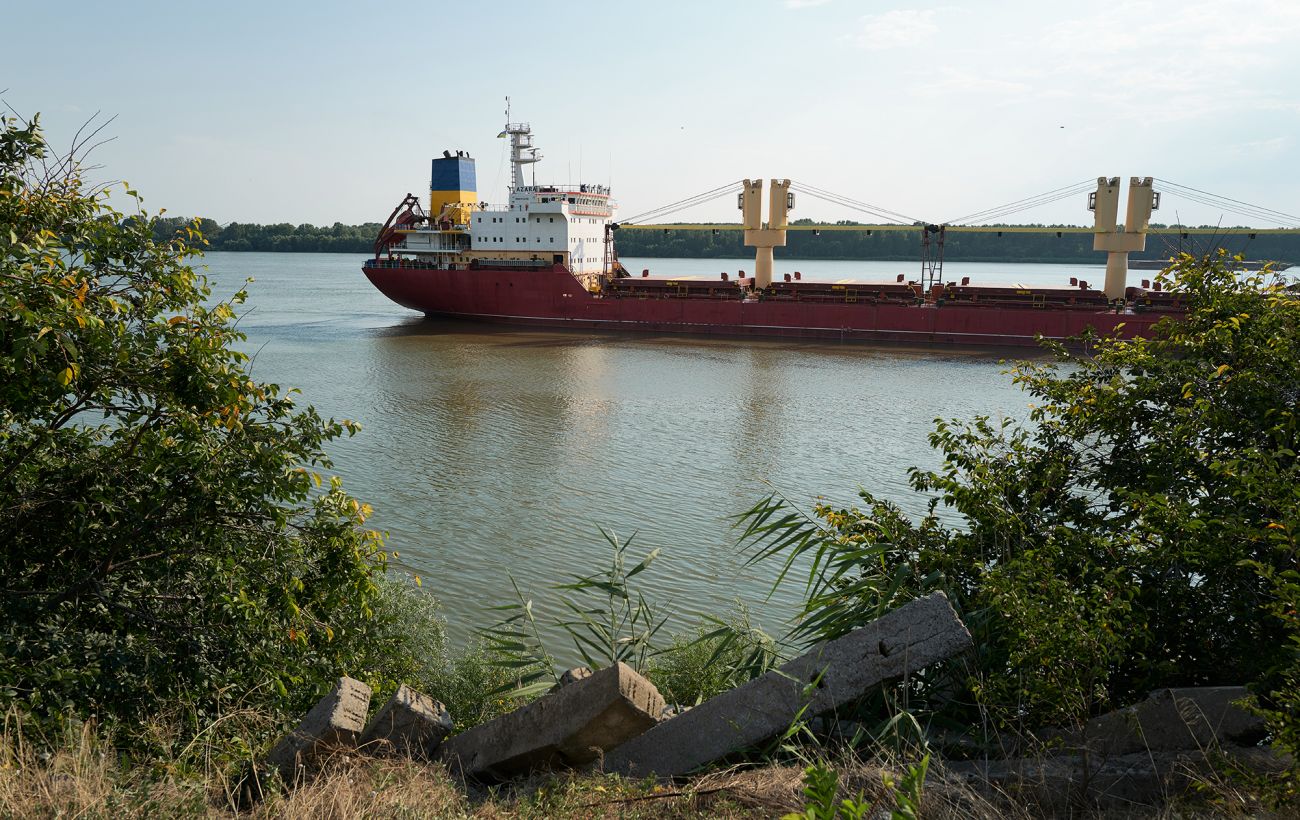


International Conference on Lower Danube Security Opens in Ruse
 Bulgaria
29.06.2026
Bulgaria
29.06.2026
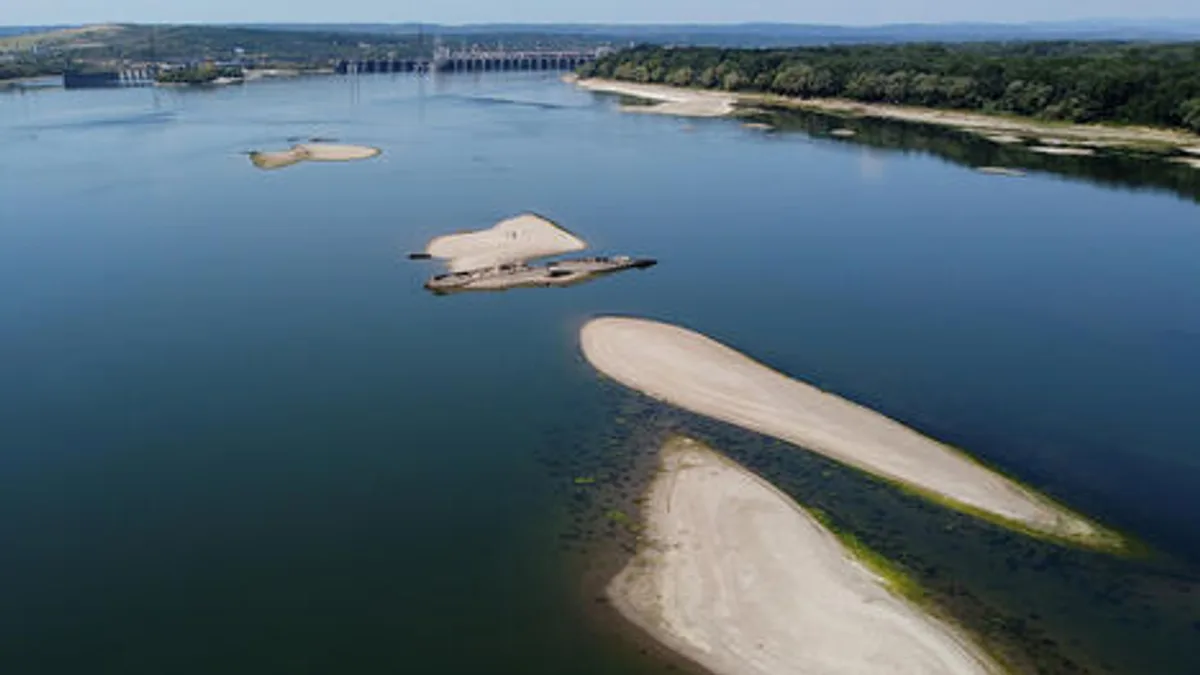
An international conference titled “A Shared River, Shared Security: The Lower Danube as a Strategic Space for Security, Defence and Democratic Resilience” opened in the Bulgarian city of Ruse on 29 June. The event is dedicated to Danube Day and is taking place on board the vessel Sofia.
The conference is organised by the Friedrich Ebert Foundation and brings together representatives of the diplomatic corps, state institutions, local authorities, academia and expert communities from Bulgaria and Romania.
The forum focuses on the growing strategic importance of the Lower Danube in Europe’s evolving security environment. Particular attention is being paid to the role of the river as a space for political and diplomatic cooperation, economic connectivity, transport development, protection of critical infrastructure and democratic resilience of border regions.
Participants are discussing opportunities for deeper coordination between Bulgaria and Romania in the fields of infrastructure, defence, regional policy and cross-border cooperation. A separate focus is placed on the importance of the EU Strategy for the Danube Region for the development of Danube communities.
The official opening is attended by Jacques Paparo, representative of the Friedrich Ebert Foundation in Bulgaria and Romania; Pencho Milkov, Mayor of Ruse Municipality; Her Excellency Brândușa Predescu, Ambassador Extraordinary and Plenipotentiary of Romania to Bulgaria; and His Excellency Radko Vlaykov, Ambassador Extraordinary and Plenipotentiary of Bulgaria to Romania.
The speakers include representatives of the G. S. Rakovski Military Academy, the Bulgarian Geopolitical Society, the University of National and World Economy, the University of Bucharest, the National University of Political Studies and Public Administration in Bucharest, the Romanian Diplomatic Institute, the European Institute of Romania, the Bulgarian Academy of Sciences and Linnaeus University in Sweden.
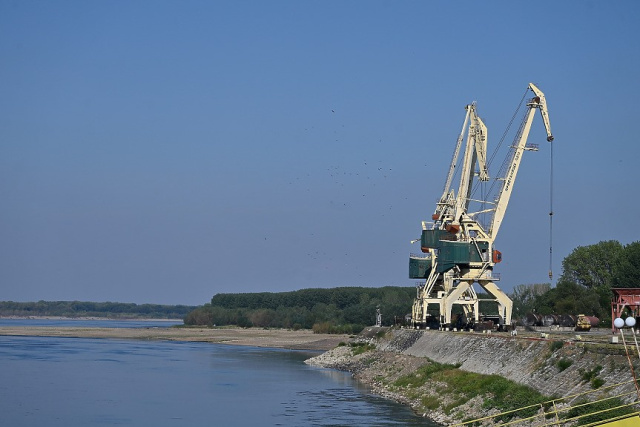
The forum’s programme includes three thematic panels dedicated to diplomatic cooperation along the Lower Danube, military coordination and infrastructure connectivity in the region. Participants are analysing issues related to the protection of critical infrastructure, development of transport corridors, port and railway networks, economic competitiveness and European integration.
The conference will also present the findings of a study by the Elias Canetti International Society on public awareness and attitudes towards the EU Strategy for the Danube Region and European Union cross-border cooperation programmes.
Comment by the Institute of Danube Research
The Institute of Danube Research considers the holding of this conference in Ruse to be an important indicator of the changing perception of the Lower Danube in the regional policy of the European Union. The Danube is increasingly being viewed not only as a transport or environmental system. In the context of Russia’s war against Ukraine, the growing importance of the EU’s eastern flank and the strengthening role of the Black Sea region, it is acquiring the status of a strategic space for security, logistics, energy resilience and political cooperation.
For Ukraine, this discussion is of direct relevance. Since the beginning of the full-scale war, the Ukrainian Danube region has become one of the key elements of the country’s export, transport and humanitarian resilience. Therefore, coordination between Ukraine, Romania, Bulgaria and Moldova in the areas of port infrastructure, border logistics, navigation security and the protection of critical facilities should move from situational response to long-term regional policy.
The Lower Danube can become not a periphery, but one of the centres of a new architecture of European resilience. This requires joint planning of infrastructure projects, integration of port and railway networks, development of cross-border risk management mechanisms and a stronger role for local communities in the implementation of the EU Strategy for the Danube Region.
The Institute of Danube Research believes that such formats should be expanded with the involvement of Ukrainian communities, port operators, expert institutions and representatives of the security sector. Without Ukraine’s participation, the strategic discussion on the Lower Danube will remain incomplete, as the Ukrainian Danube direction is currently one of the most heavily loaded and, at the same time, one of the most promising elements of the regional resilience system.

 Hungary
 Romania
 Ukraine
 Moldova
 Serbia

 Danube