

Low Danube Levels Paralyse Freight Transport in Serbia: Effects May Be Felt for Months
 Serbia
21.08.2026
Serbia
21.08.2026
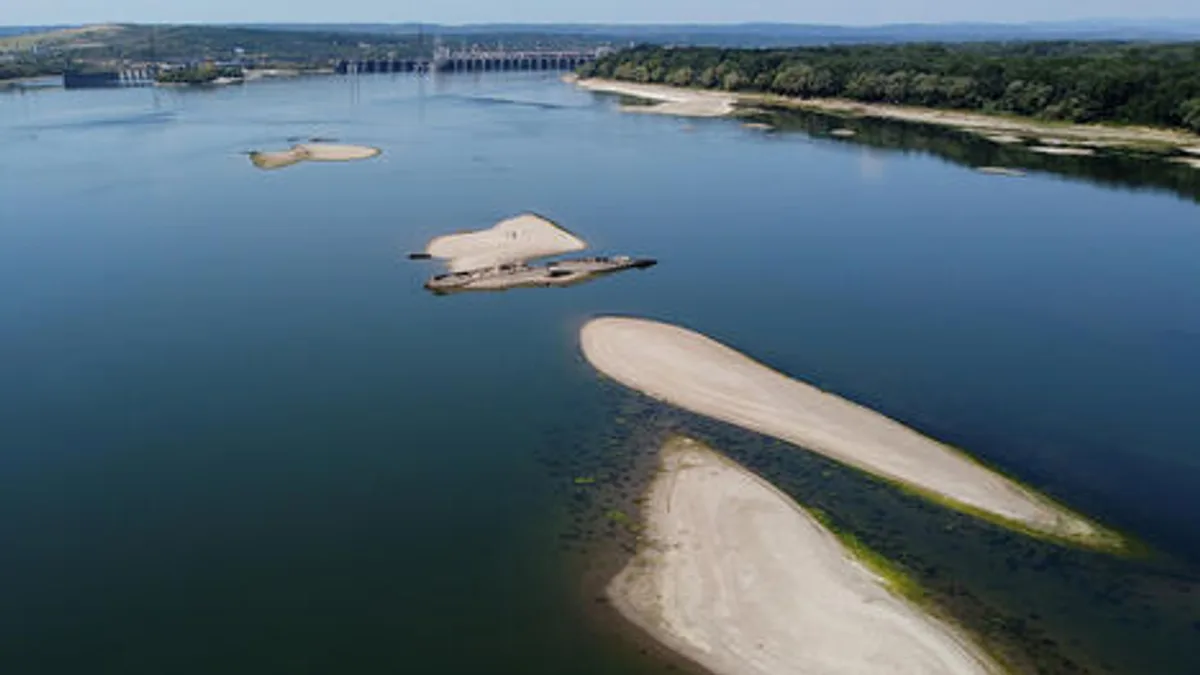
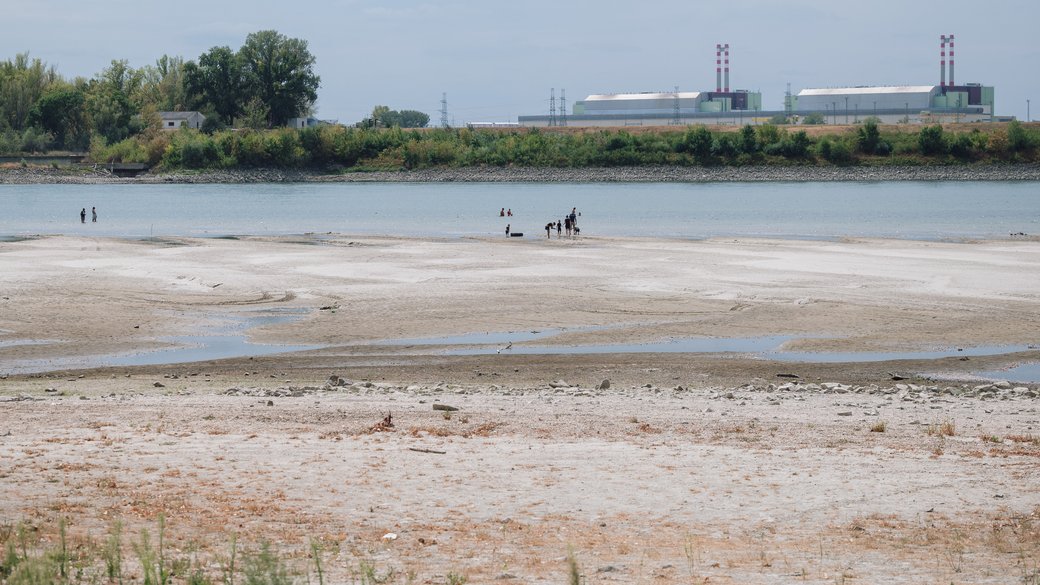
A sharp fall in the Danube’s water level has brought freight transport on parts of the river in Serbia close to a standstill. Experts warn that even after hydrological conditions improve, the consequences of the current crisis for industry, logistics and prices could persist for several months.
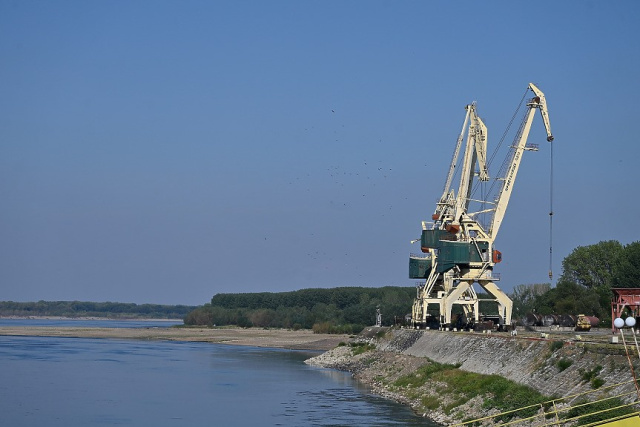
The situation is particularly difficult around Prahovo, one of Serbia’s key industrial ports on the Lower Danube.
As recently as July, Elixir Group, which operates port infrastructure in Prahovo, reported an approximately 31% year-on-year increase in cargo handling volumes. By the end of the month, however, the situation had changed dramatically.
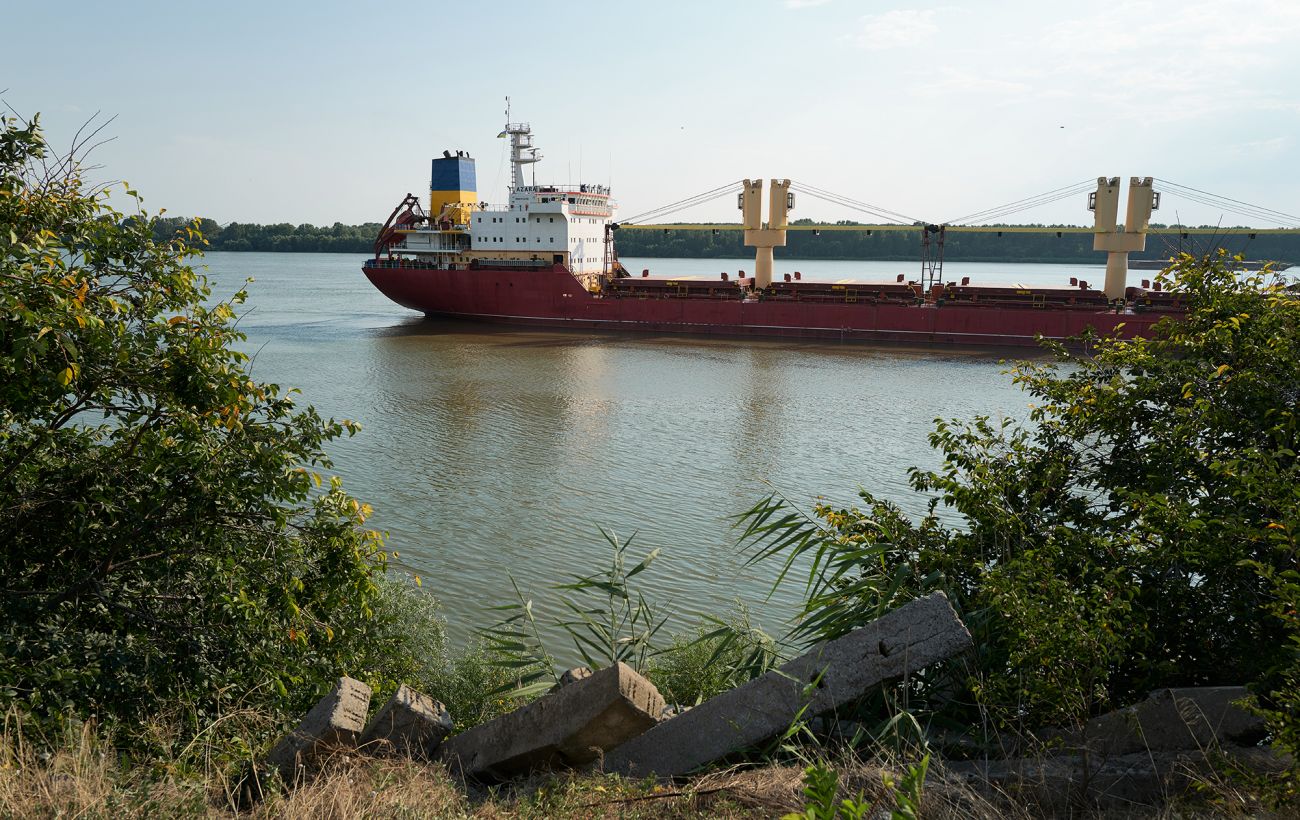
Between 17 July and 18 August, the water level at Prahovo fell by around 45 centimetres. As navigable depths decreased, barge operators were forced to sharply reduce cargo loads, while freight traffic on some sections of the Lower Danube effectively came to a halt.
“Due to conditions on the lower Danube, navigation has been completely suspended, directly preventing cargo vessels from reaching the Port of Prahovo,” said Dragan Stevović, Director of Logistics and Distribution at Elixir’s chemical division.
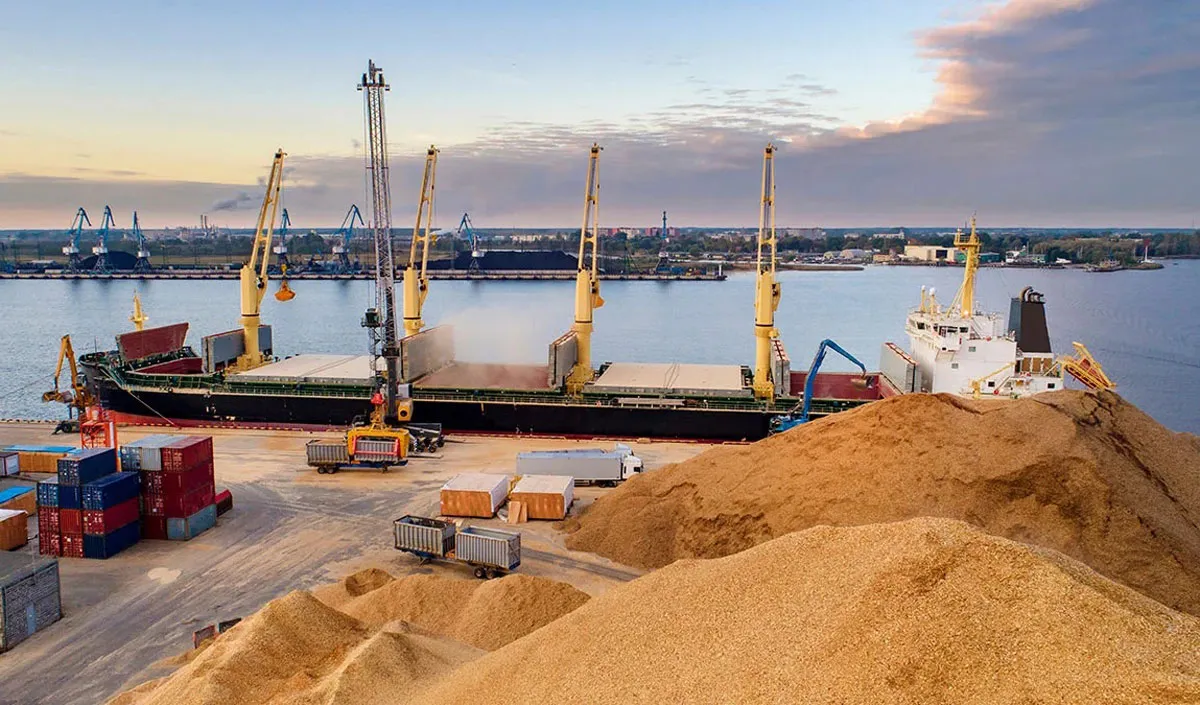
The problem extends far beyond river transport itself. Prahovo is an important hub for Serbia’s chemical industry and for the movement of bulk commodities. Lower vessel draughts mean that the same amount of cargo must be transported in more voyages or redirected to rail and road transport.
As a result, transport costs and delivery times are increasing, while additional pressure is being placed on alternative infrastructure. This creates further cost pressures for companies dependent on imported raw materials or on exports via the Danube.
Comment by the Institute of Danube Research
The Institute of Danube Research notes that the situation in Serbia illustrates the systemic nature of the current low-water crisis on the Danube.
This is no longer merely a temporary deterioration in navigation conditions. Prolonged low water is increasingly becoming a source of macroeconomic risk for the Danube countries.
Even after water levels recover sufficiently for navigation, the logistics system does not immediately return to normal. During periods of restricted navigation, cargo accumulates at ports and industrial sites, delivery schedules are disrupted, vessel availability tightens, and demand for rail and road transport increases.
For this reason, the economic effects of the current low-water period may last considerably longer than the hydrological crisis itself.
For Serbia, the problem is particularly significant because of the Danube’s important role in supplying industrial enterprises with raw materials and supporting exports of bulk goods. Rising logistics costs are gradually transferred into production costs and, in some sectors, into final consumer prices.
The Institute also stresses that developments in Prahovo should be viewed in the broader context of conditions across the Lower Danube. During July and August, low-water restrictions were simultaneously recorded on Romanian and Bulgarian sections of the river, together with changes in navigable channels and an increased need for dredging.
The situation demonstrates that low water is no longer an exceptional short-term event, but an increasingly important structural challenge for the Danube transport system.
According to the Institute of Danube Research, the 2026 crisis underlines the need to move from responding to individual low-water episodes towards the systematic adaptation of Danube transport infrastructure to prolonged hydrological fluctuations.
This requires maintaining guaranteed navigable depths, modernising ports, developing multimodal routes, coordinating dredging activities between Danube countries, and establishing mechanisms for the rapid redistribution of cargo flows between river, rail and road transport.
The 2026 crisis is making one conclusion increasingly clear: the stability of Danube navigation is no longer merely a transport issue, but a strategic component of the economic security of the entire region.

 Bulgaria
 Hungary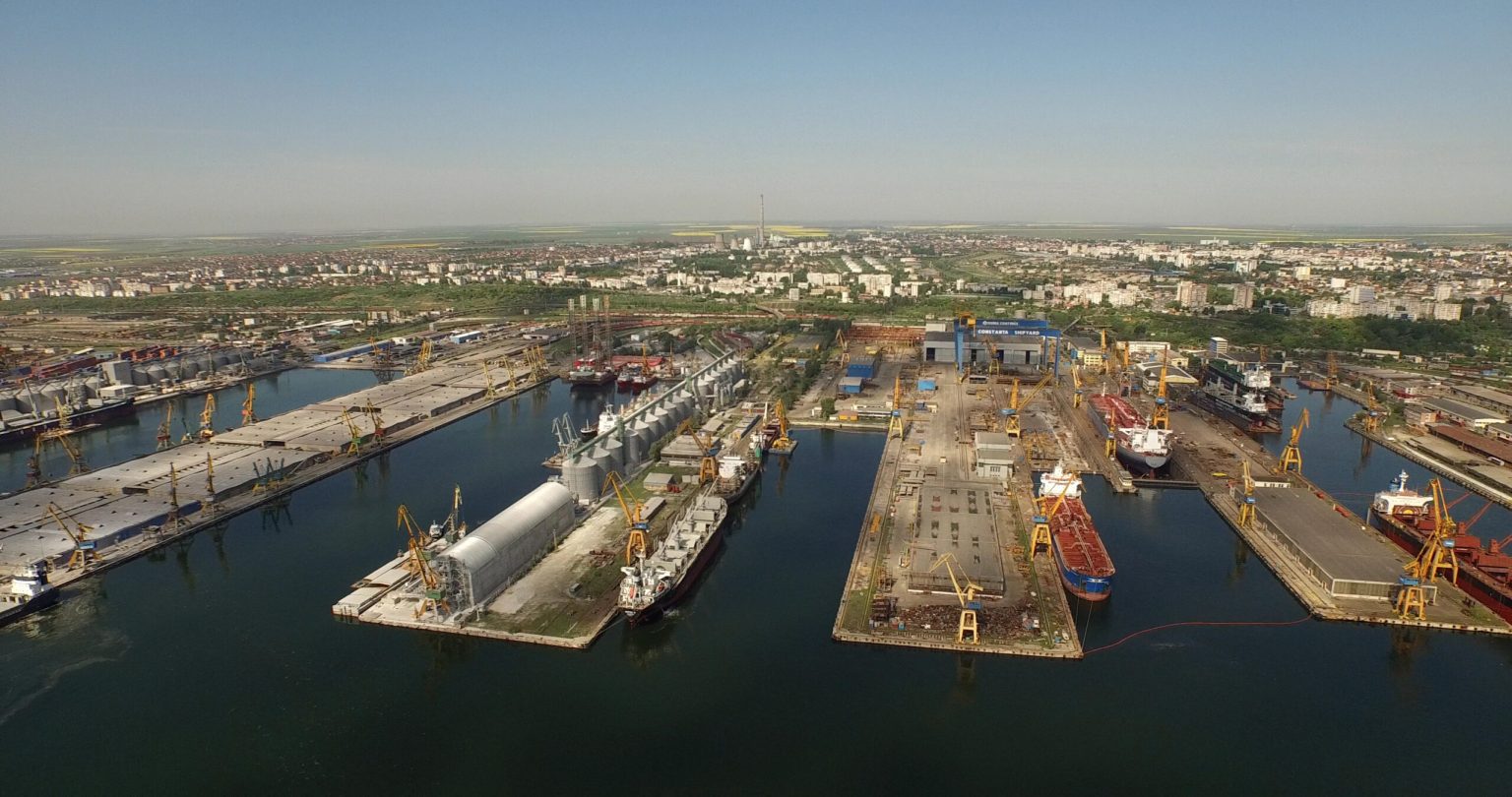
 Romania
 Ukraine
 Moldova


 Danube