

Low Danube Water Levels and Rising European Fuel Prices Increase the Risk of Diesel Shortages in Ukraine
 Ukraine
13.10.2026
Low water levels on the Danube, transport delays, and fluctuations in European petroleum product prices are increasing the risk of diesel fuel shortages in Ukraine.
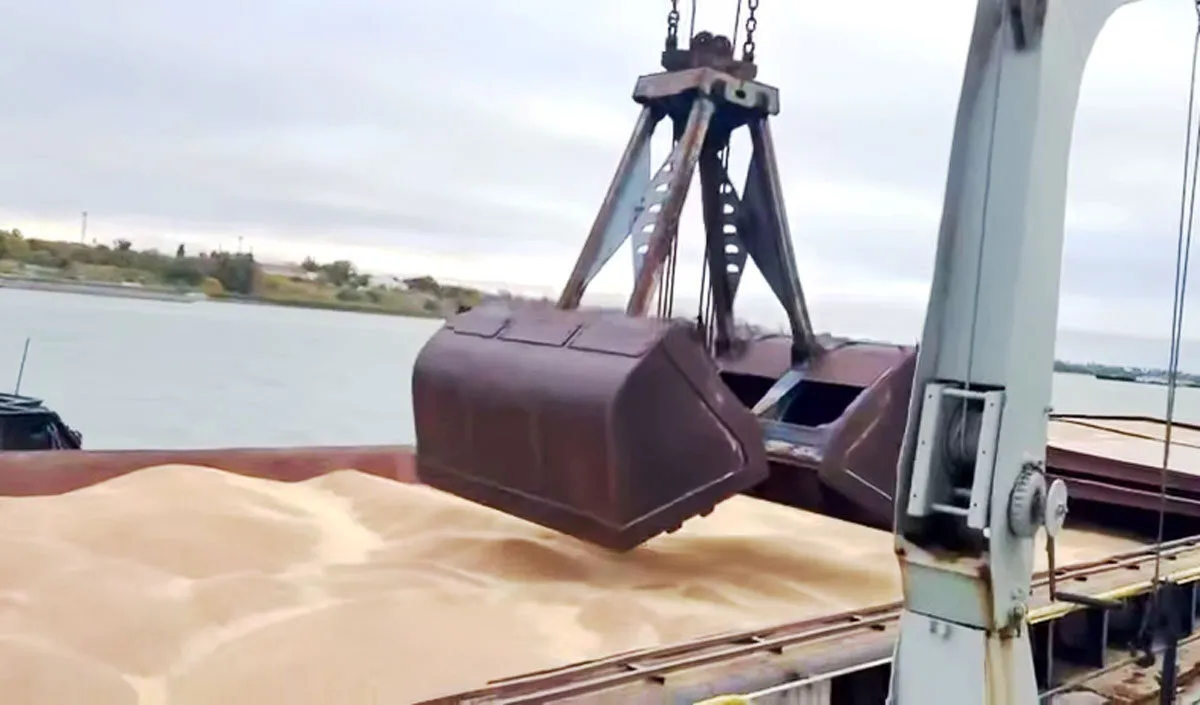
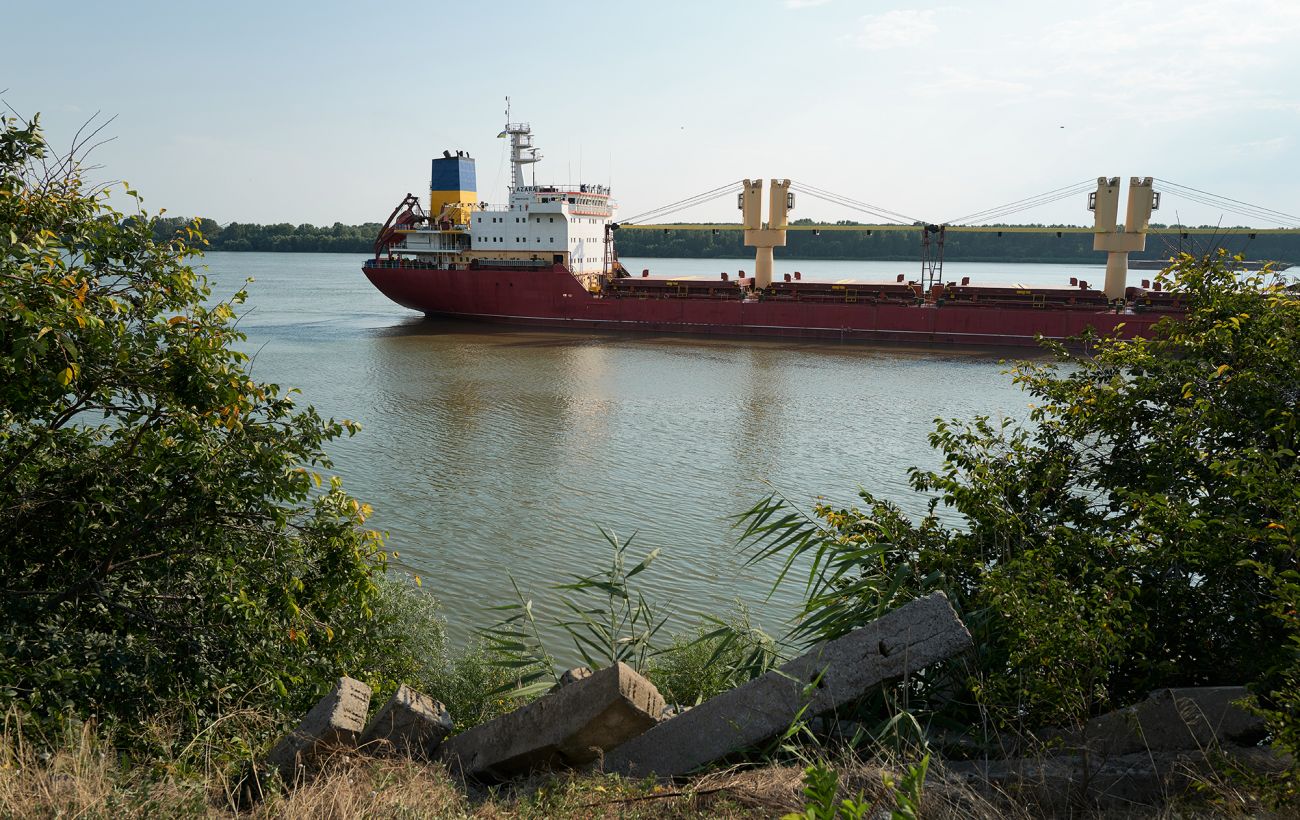
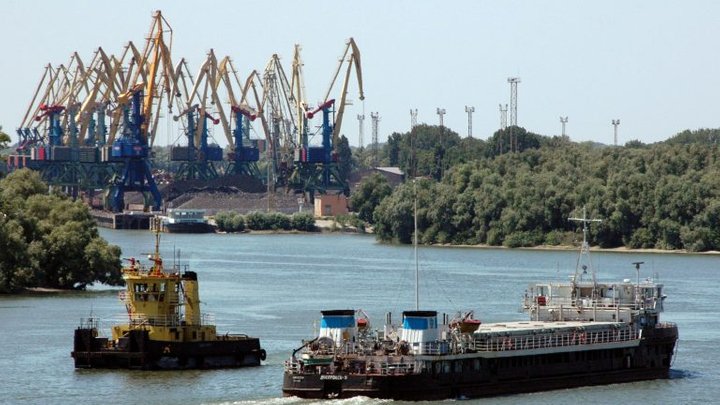
According to the industry publication Enkorr, the most significant logistical difficulties are currently affecting southern and western Ukraine. Critically low water levels on the Danube have substantially reduced the loading capacity of barges, while some vessels are unable to reach ports altogether.
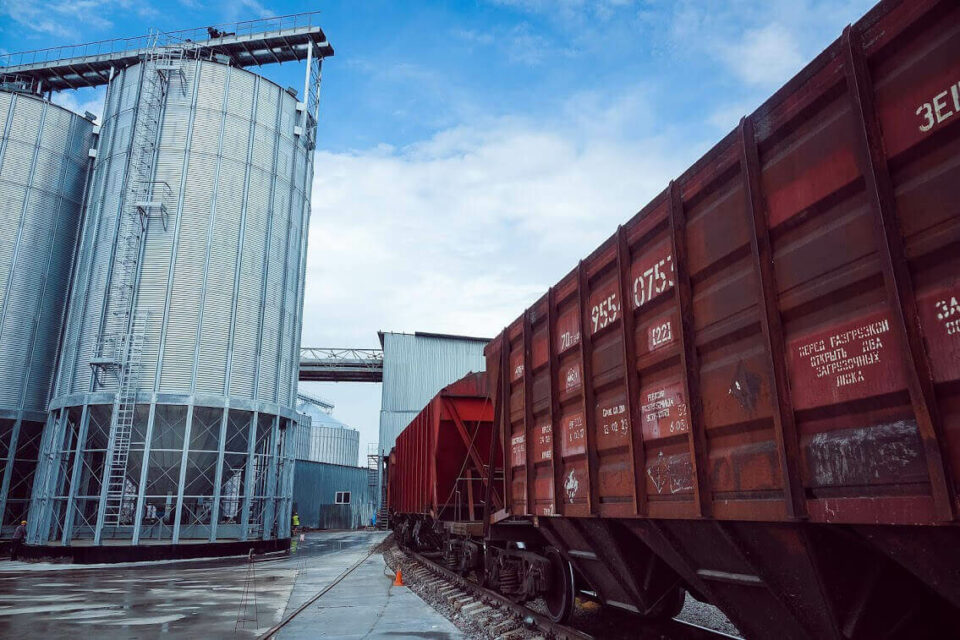
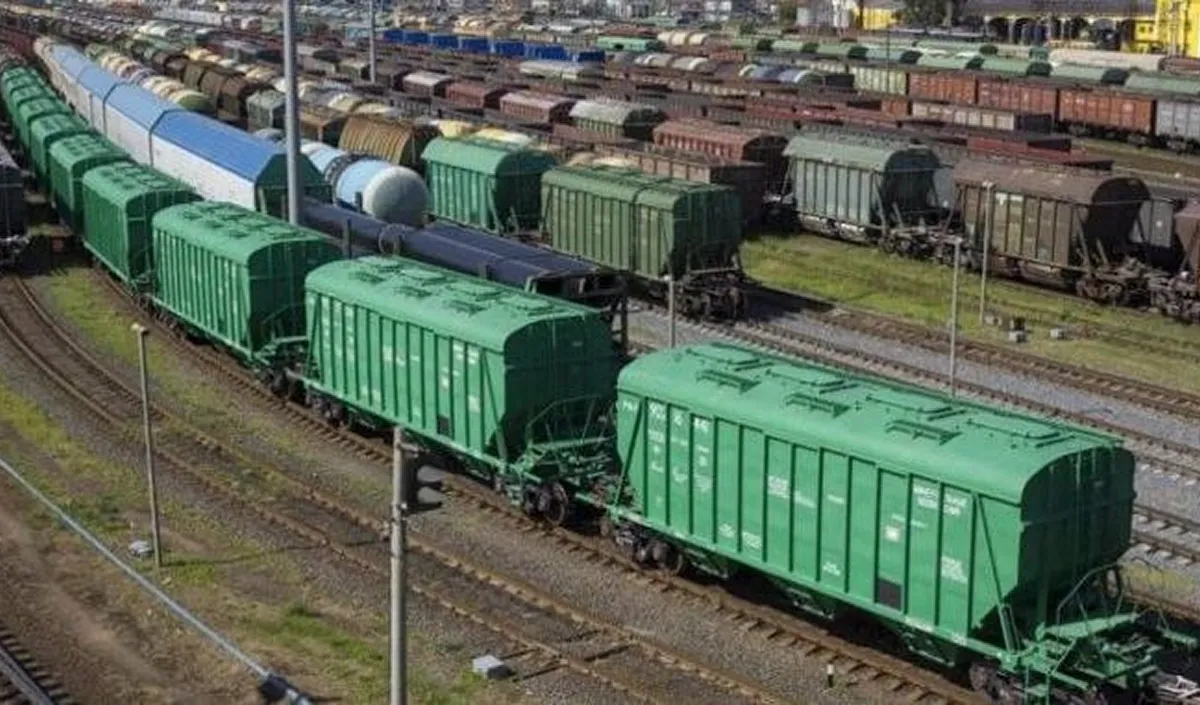
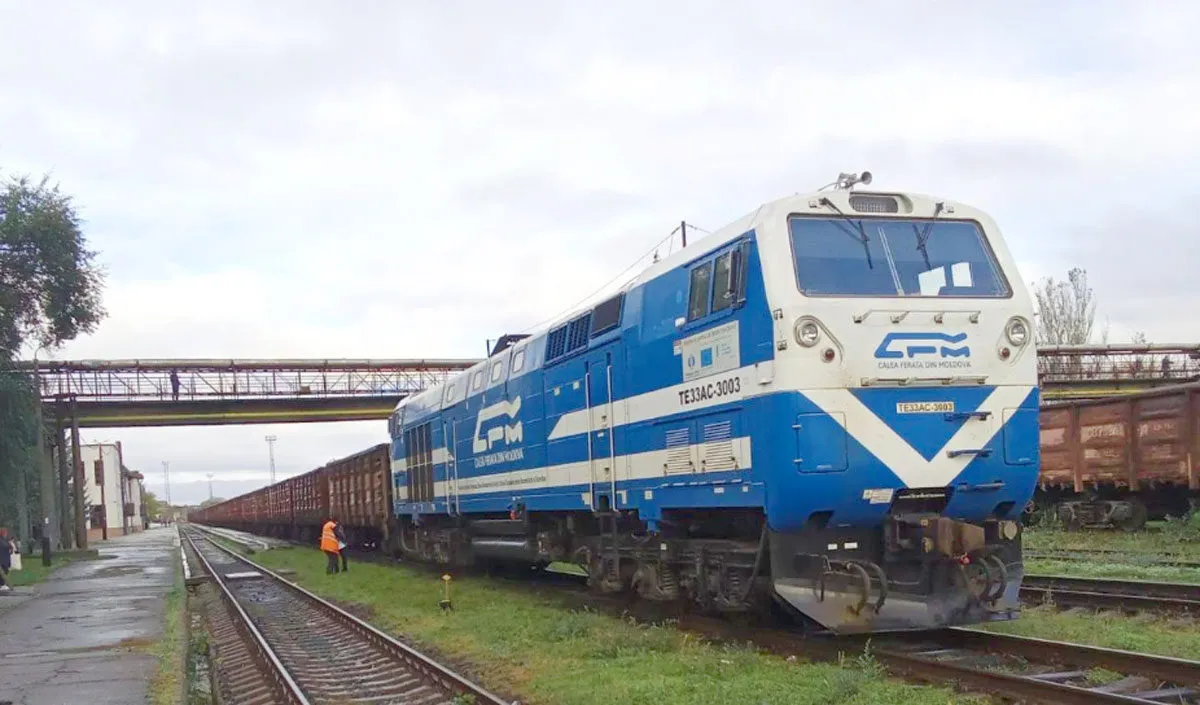
In western Ukraine, the situation is further complicated by rail delivery delays of eight days or more and truck queues at border crossings lasting between five and eight days.
According to the A-95 consulting group, Ukraine imported 537,000 tonnes of diesel fuel in September 2026, representing a 9% decrease compared with August. Total diesel imports during the first nine months reached 4.7 million tonnes, up 3% year-on-year.
Poland, Lithuania, and Hungary remain Ukraine's main diesel fuel suppliers. At the same time, the Danube transport corridor plays an important role in the country's fuel supply logistics.
Commentary by the Institute of Danube Research
According to IDR experts, developments in the fuel market demonstrate Ukraine's growing energy security dependence on the Danube's hydrological conditions and the efficiency of cross-border transport infrastructure.
Low water levels are no longer merely an environmental concern. They directly affect transportation costs, the reliability of strategic imports, and the functioning of Ukraine's economy.
The Institute of Danube Research considers stronger coordination between Ukraine, Romania, and Moldova essential to ensuring navigation on the Lower Danube, maintaining guaranteed navigational depths, optimizing port operations, and developing alternative multimodal fuel supply routes.
Establishing an integrated system for forecasting hydrological risks and managing transport flows is becoming particularly important.
According to Vitaliy Barvinenko, Director of the Institute of Danube Research:
"The Danube today is not merely a transport artery but also a crucial component of Ukraine's energy security. When water levels decline, the consequences go beyond navigation restrictions, creating additional risks for stable fuel supplies and the economy as a whole.
Ukraine, Romania, and Moldova must move from responding to individual crises toward systematic coordination of Danube logistics management. Ensuring stable navigation on the Lower Danube should become a priority of regional transport and economic policy."
The Institute of Danube Research emphasizes that the stability of Danube logistics is directly linked to Ukraine's energy resilience and the economic security of the entire Lower Danube region.

 Romania

 Hungary


 Moldova

 Bulgaria
 Danube



 Serbia