

Low Danube Water Levels Create New Risks for Ukrainian Grain Exports
 Ukraine
11.08.2026
Ukraine
11.08.2026
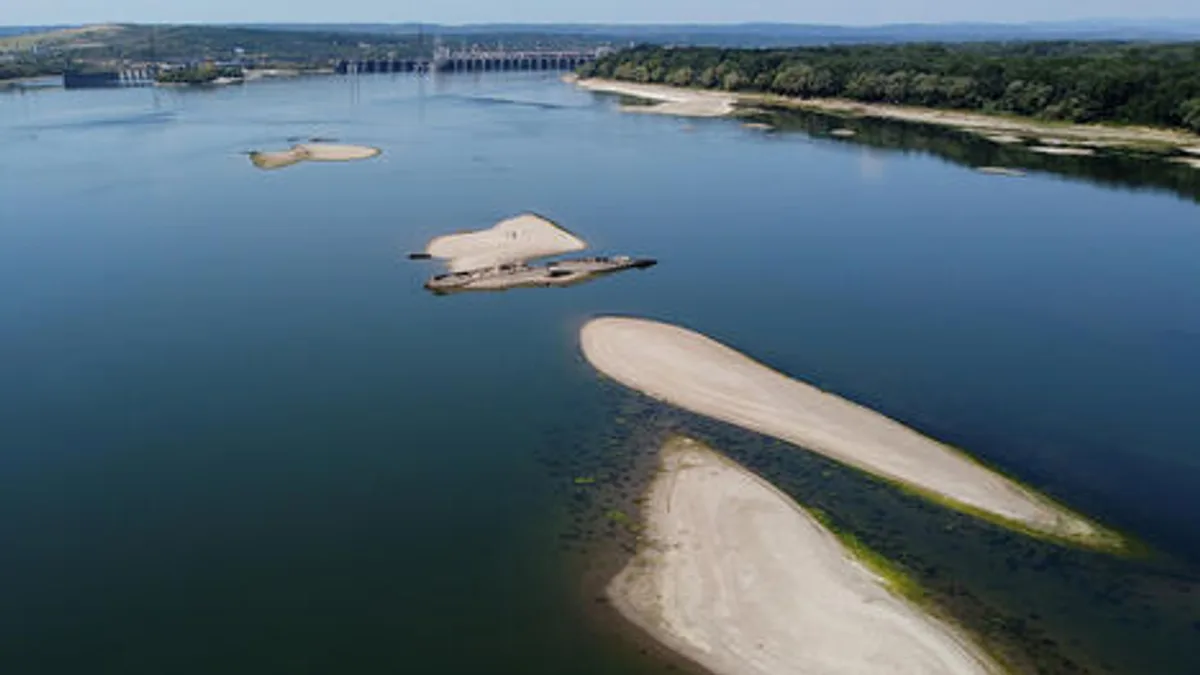
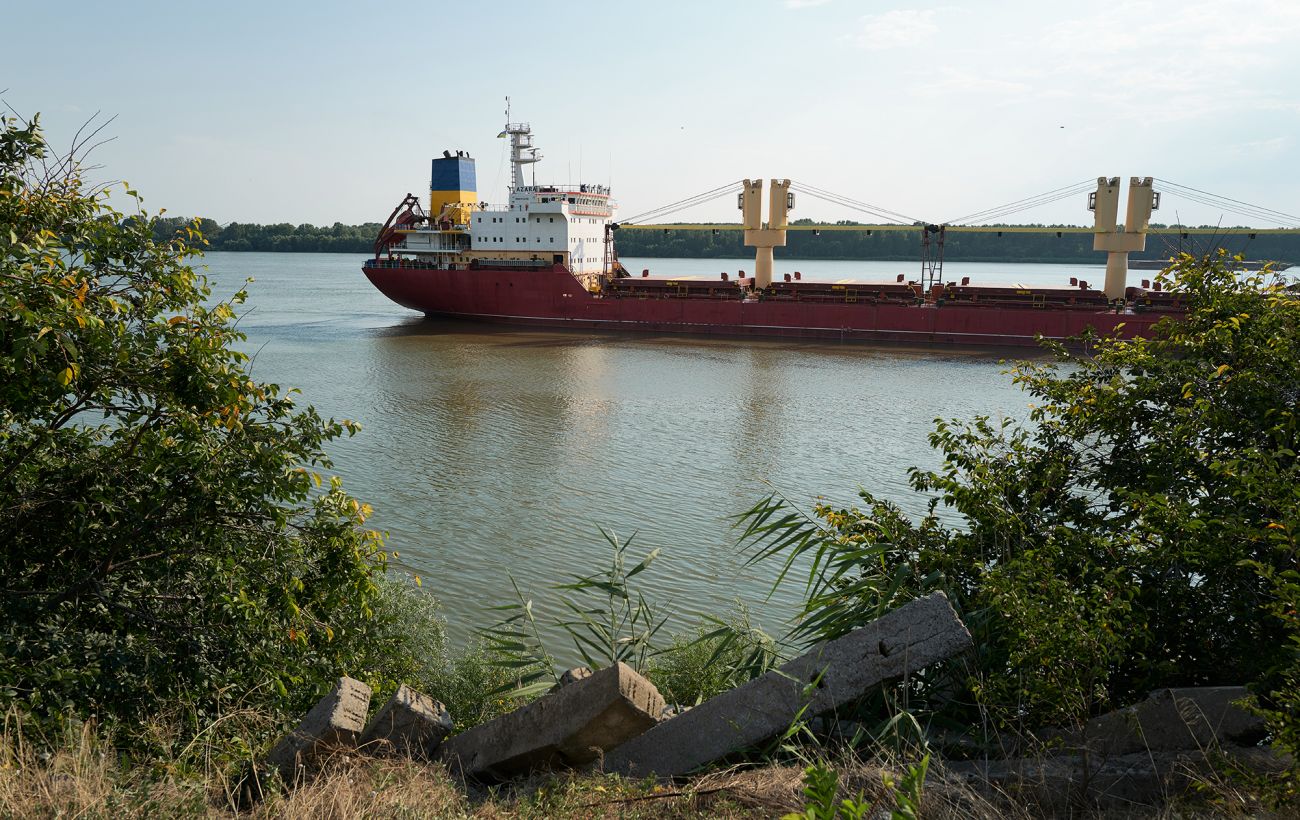
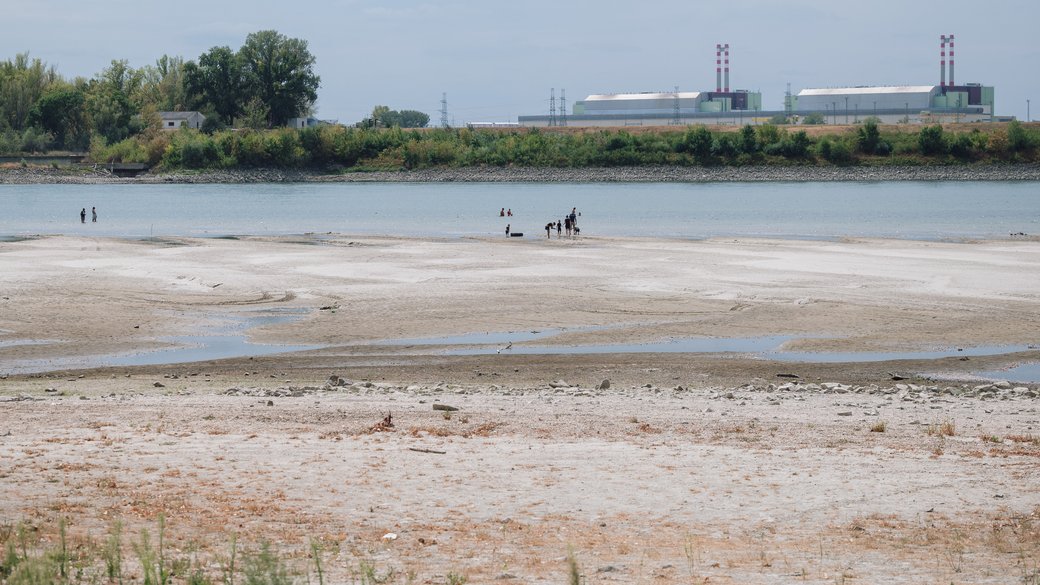
Record-low water levels on the Danube are increasingly affecting Ukrainian agricultural exports through Romania. At the same time, intensified Russian attacks on Ukraine’s port infrastructure are forcing exporters to rely more heavily on alternative routes via the Danube and the Port of Constanța, increasing pressure on the region’s transport system.
International media report this with reference to Bloomberg.
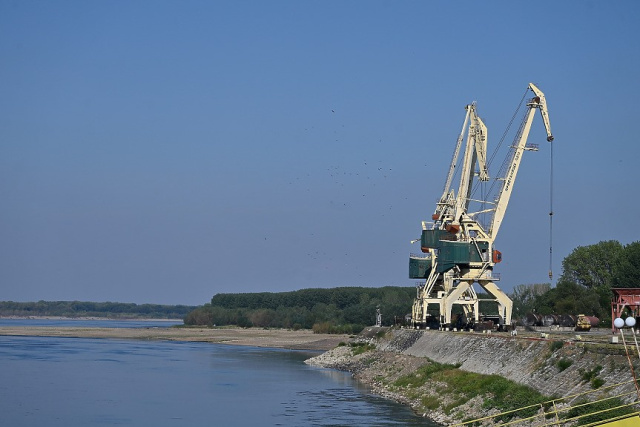
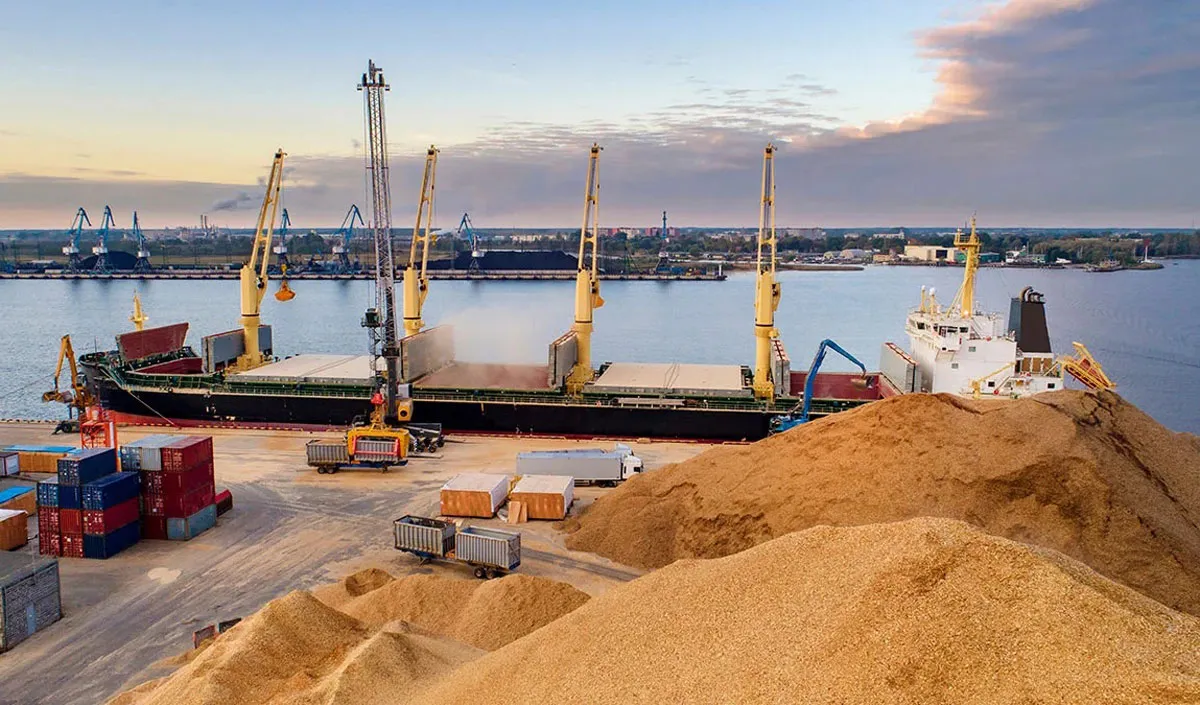
Since the beginning of Russia’s full-scale invasion, the Romanian Port of Constanța has become one of the key alternative hubs for Ukrainian grain exports. Cargo reaches the port by rail, road and Danube barges. However, prolonged heat and a lack of rainfall have caused a significant decline in water levels, forcing vessels to reduce their loads.
Lower permissible barge drafts mean that more voyages are required to transport the same volume of agricultural commodities. This increases logistics costs, extends waiting times and creates additional demand for road and rail transport.
The problem affects not only Ukraine. Romanian agricultural producers are also facing shortages of transport capacity during the active export season for grains and oilseeds.
According to Stan Tiberiu-Dan, Vice-President of the Romanian Farmers’ and Processors’ Forum, transport costs have risen significantly, while farmers’ access to available trucks has declined.
Viorel Panait, President of the Constanța Port Business Association and CEO of Comvex SA, noted that grain terminals could potentially handle larger volumes of Ukrainian cargo within the framework of the European Solidarity Lanes. However, low Danube water levels are limiting the actual flow of commodities toward the ports.
The situation is further complicated by the limited capacity of alternative transport routes. According to Ukrainian estimates, the combined capacity of rail and Danube routes cannot fully compensate for the throughput of Ukraine’s major Black Sea ports.
Additional pressure on the logistics system is being generated by Romania’s own seasonal exports. Significant volumes of wheat, barley, rapeseed and corn are competing with Ukrainian cargo for barges, locomotives, railcars, trucks and the handling capacities of the Port of Constanța.
As a result, low water levels on the Danube are evolving from a local hydrological issue into a factor affecting regional transport and food security.
Comment by the Institute of Danube Research
The Institute of Danube Research notes that the current situation once again demonstrates the need to regard the Danube not simply as a reserve route for Ukrainian exports, but as a strategic transport corridor whose resilience must be ensured at a systemic level.
“Today, two categories of risks are emerging simultaneously — military and climate-hydrological. Russian attacks reduce the reliability of Black Sea port logistics, while low Danube water levels constrain the capacity of the main alternative route. The result is a double transport bottleneck that directly affects the cost of Ukrainian exports and the competitiveness of agricultural products,” the Institute notes.
According to the Institute’s experts, the problem is structural in nature. Simply redirecting additional cargo to road or rail transport is insufficient, as these modes also have physical and operational capacity limitations.
A comprehensive development strategy for the Lower Danube transport system is therefore required. It should include maintaining guaranteed navigation parameters, modernising the ports of Reni, Izmail and Ust-Dunaisk, expanding the capacity of railway approaches, developing transshipment infrastructure along the Ukrainian-Romanian corridor, and creating reserve multimodal transport routes.
Adaptation of the Danube transport corridor to climate change is becoming particularly important. Periods of extremely low water levels can no longer be regarded as exceptional phenomena. They should be incorporated into the long-term transport planning of Ukraine, Romania, Bulgaria, Serbia and other Danube Basin countries.
“The Danube has effectively become part of the economic security architecture of Ukraine and the European Union. Investments in its port, railway and navigation infrastructure should therefore be assessed not only in terms of commercial efficiency, but also as investments in the resilience of European supply chains and global food security,” the Institute of Danube Research emphasises.
In the medium term, the key objective should be to move from a model of emergency cargo rerouting toward a permanent multimodal system in which Ukraine’s Black Sea ports, Danube ports, Constanța, and railway and road networks operate as interconnected elements of a single Ukraine–Danube–EU transport corridor.

 Bulgaria
 Hungary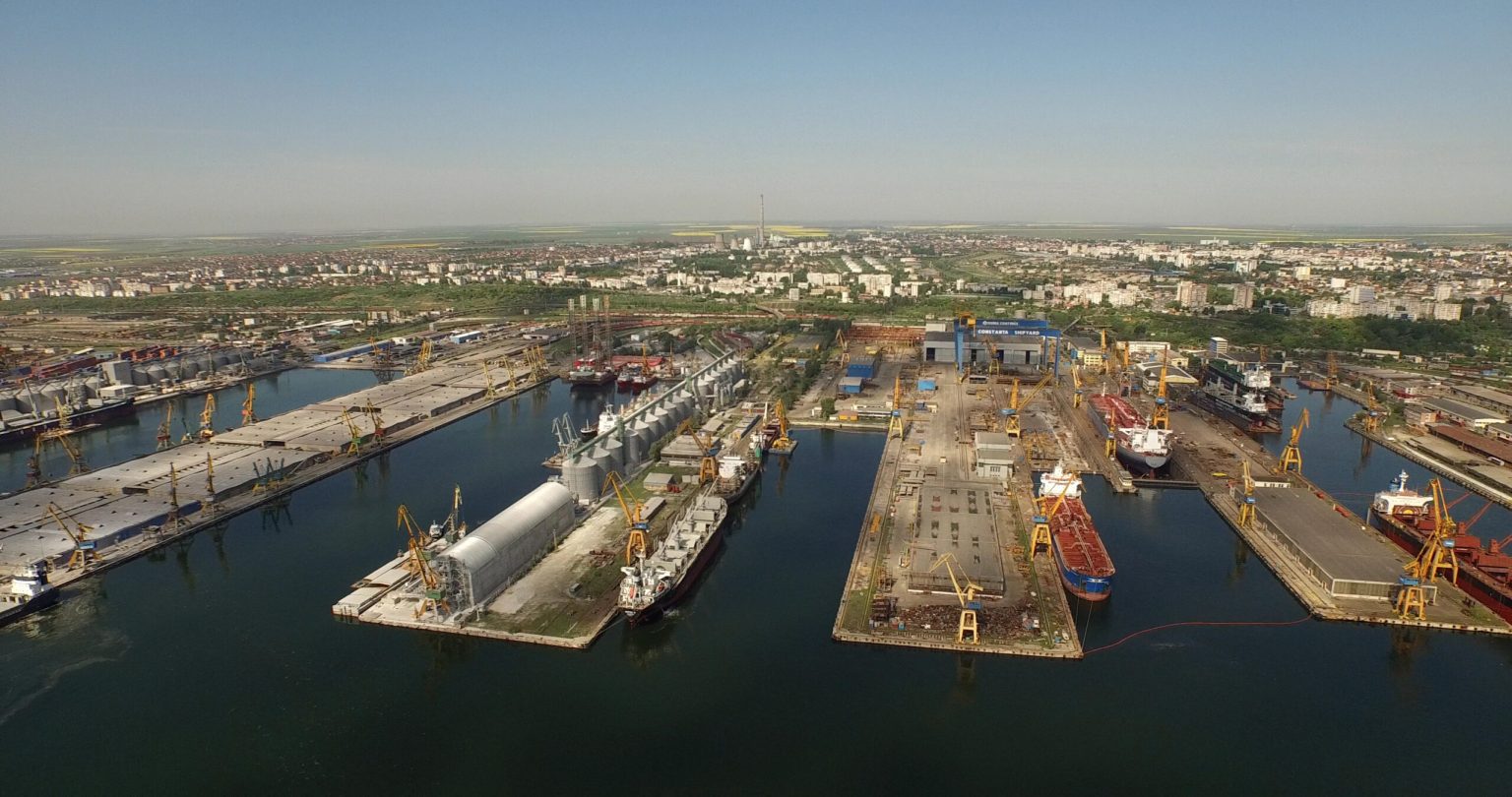
 Romania
 Moldova
 Serbia

 Danube