

Low Danube water levels disrupt navigation on the Bulgarian section of the river
 Bulgaria
08.07.2026
Bulgaria
08.07.2026
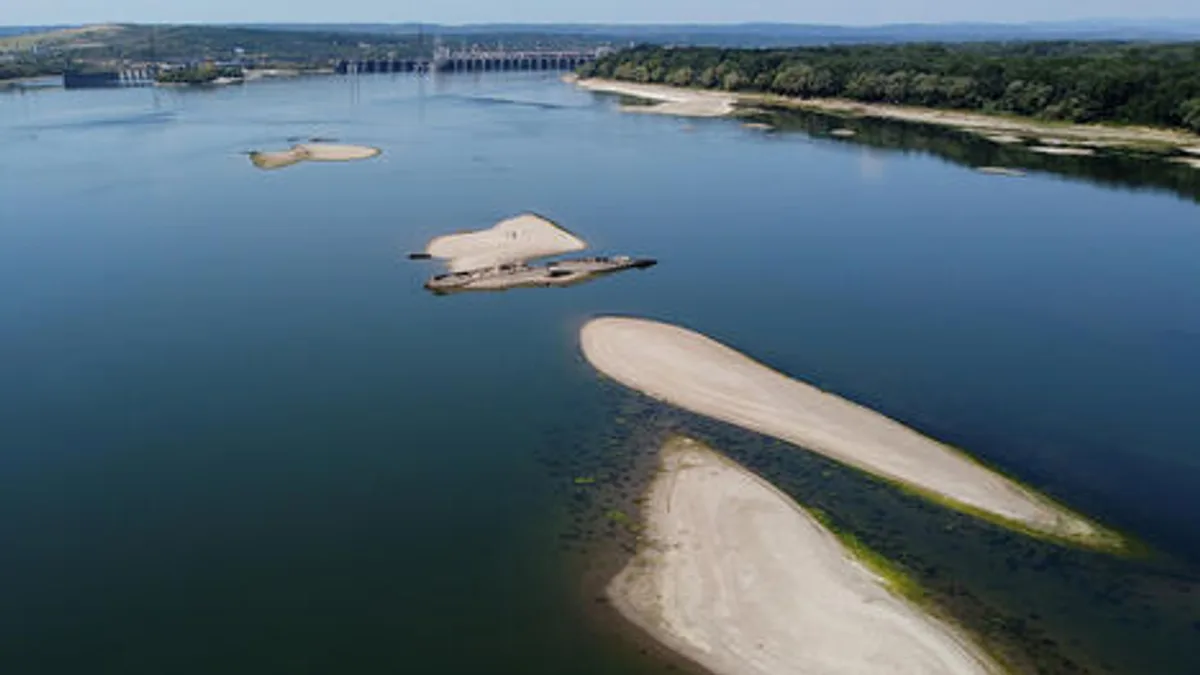
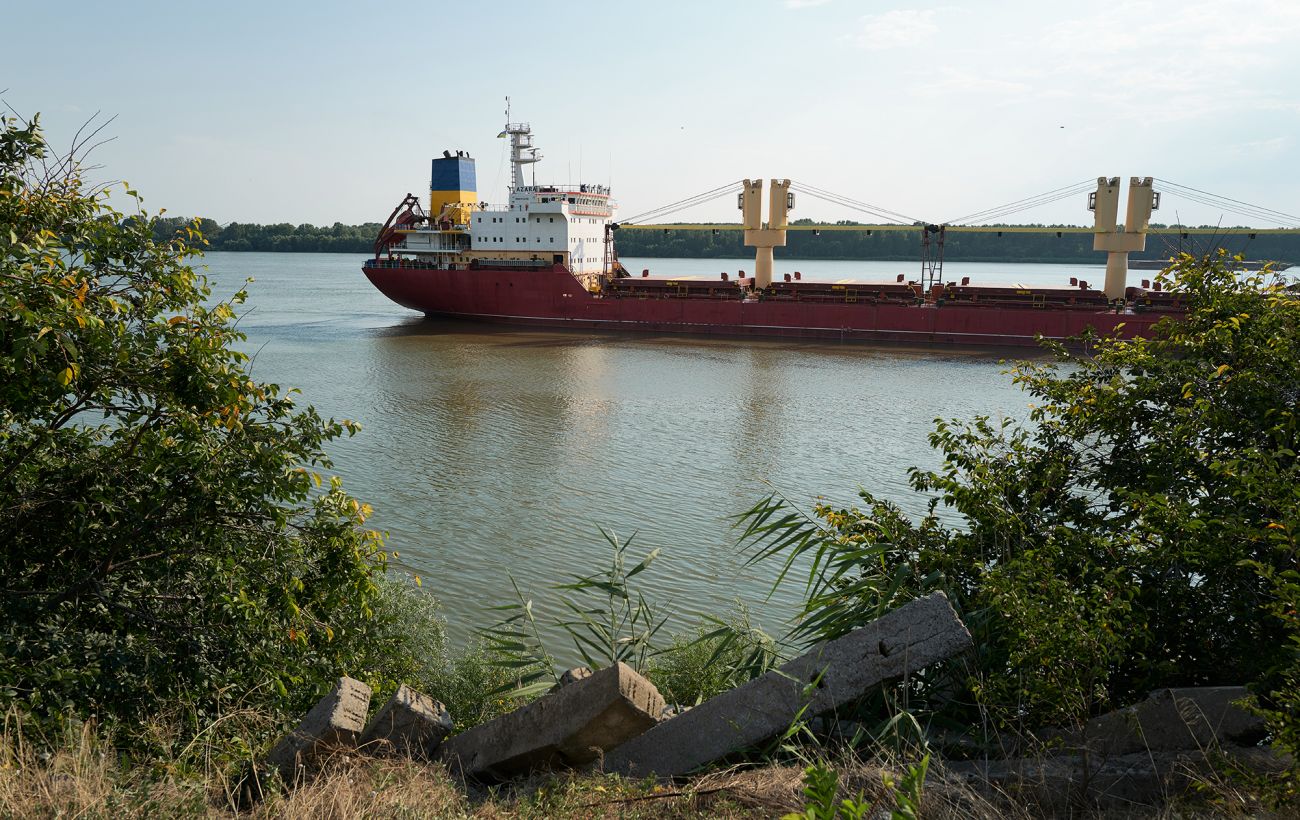
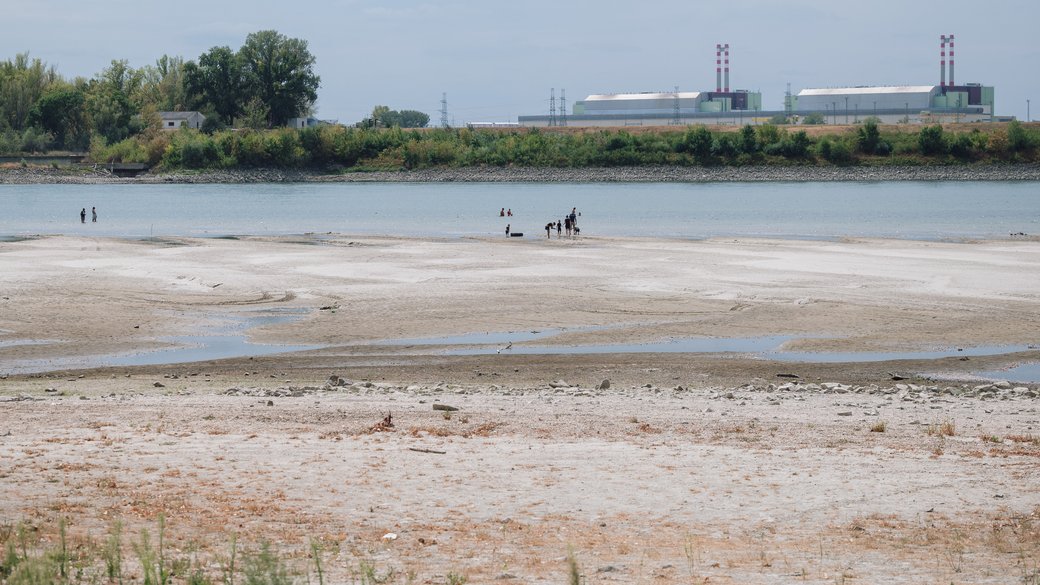
Low water levels on the Danube are creating additional difficulties for navigation along the Bulgarian section of the river. According to the Executive Agency for Exploration and Maintenance of the Danube River in Ruse, six shallow-water sections have formed, already affecting vessel traffic.
The most critical areas include Somovit, Belene, Batin, Svishtov and Vardim. These sections have led to restrictions on vessel draught, which directly affects cargo capacity, transport schedules and the economic efficiency of river logistics.
Near Ruse, the Danube water level has already fallen to 9 centimetres below the zero mark, with a further decrease of around 10 centimetres expected by Thursday. This may further complicate navigation, especially for cargo vessels with deeper draught.
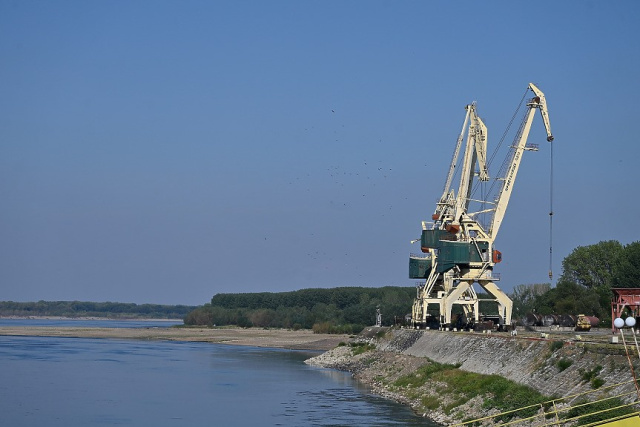
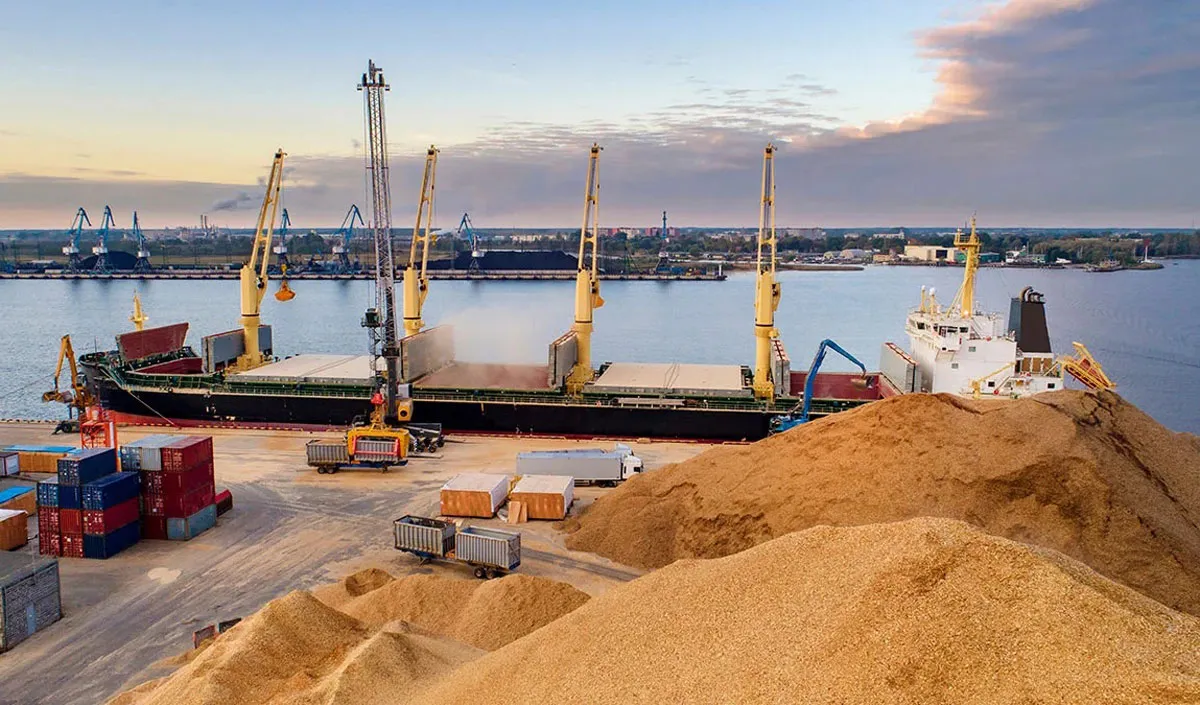
For the Lower Danube region, the situation has not only local but also regional significance. The Bulgarian section is part of a broader transport corridor connecting Central European ports, the Black Sea basin and Ukraine’s Danube port cluster. Therefore, low water levels create additional pressure on transport operators, port infrastructure and cargo flow planning systems.
Comment by the Institute of Danube Research
The situation on the Bulgarian section of the Danube once again demonstrates the vulnerability of river logistics to hydrological fluctuations. For Ukraine, this issue is of practical importance, as the stability of navigation on the Lower Danube directly affects the efficiency of alternative export routes, the operation of the ports of Izmail, Reni and Ust-Dunaisk, as well as the predictability of regional transport chains.
In the context of climate change and the increasing frequency of low-water periods, stronger cross-border coordination among Danube countries is needed. Systematic monitoring of critical sections, timely maintenance dredging and the development of adaptive logistics solutions are essential to account for seasonal and extreme fluctuations in water levels.


 Hungary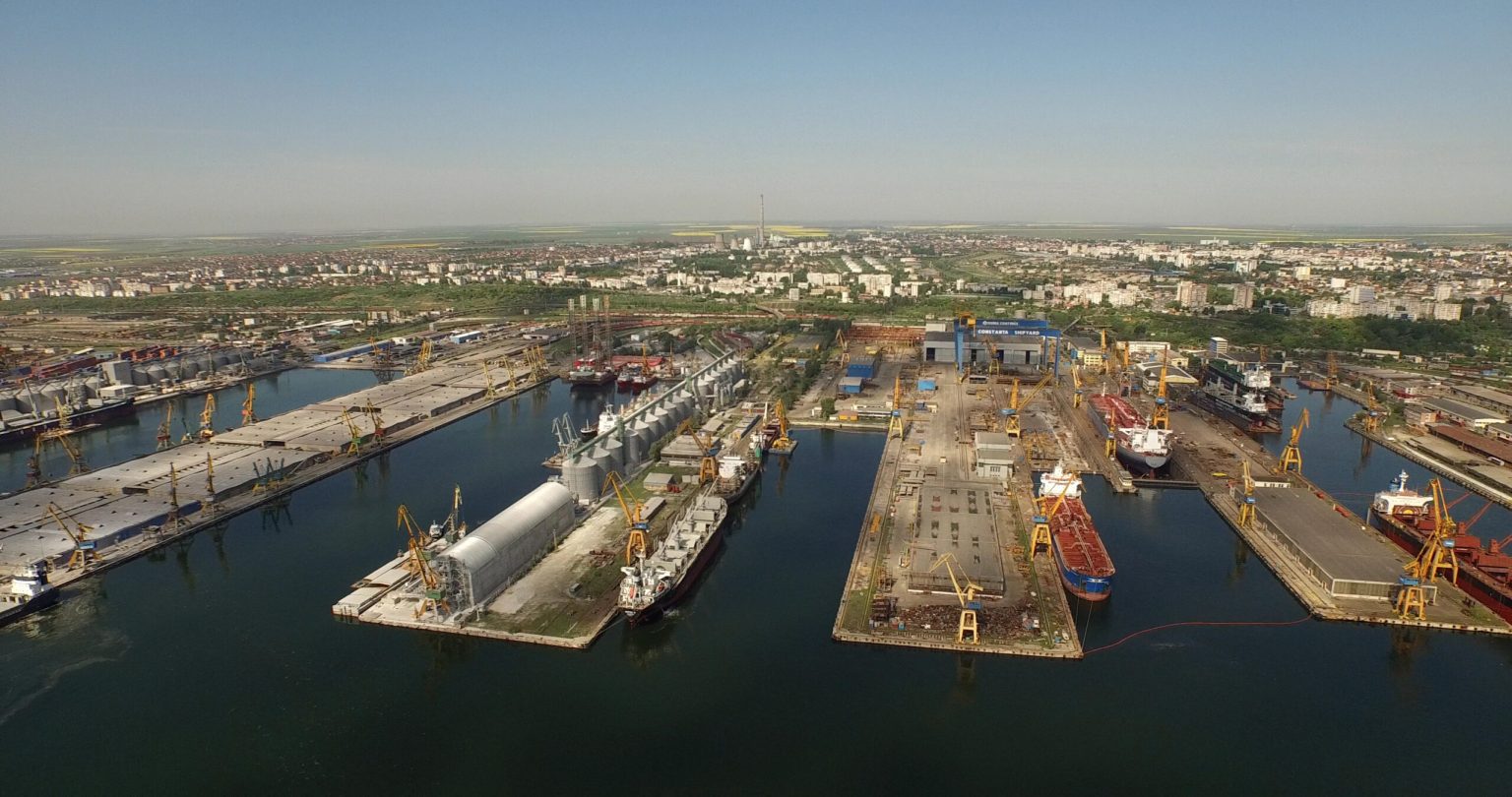
 Romania
 Ukraine
 Moldova
 Serbia

 Danube