

Low Water Levels on the Dniester Threaten the Degradation of Aquatic Ecosystems
 Moldova
13.08.2026
Moldova
13.08.2026
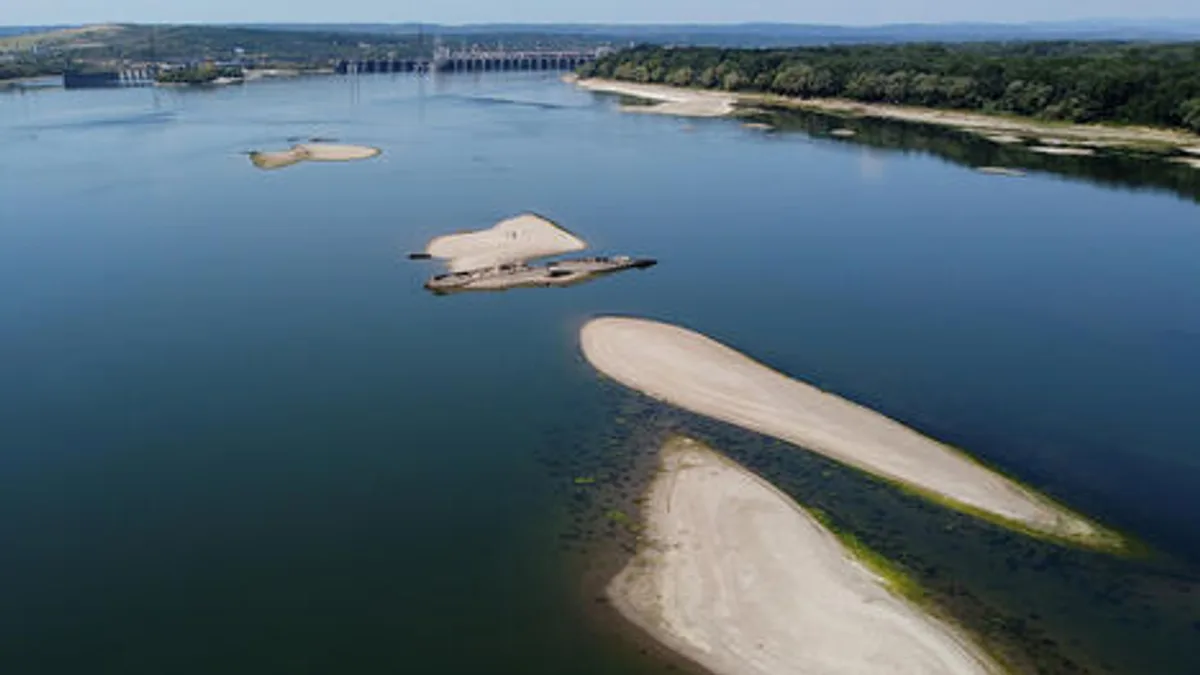
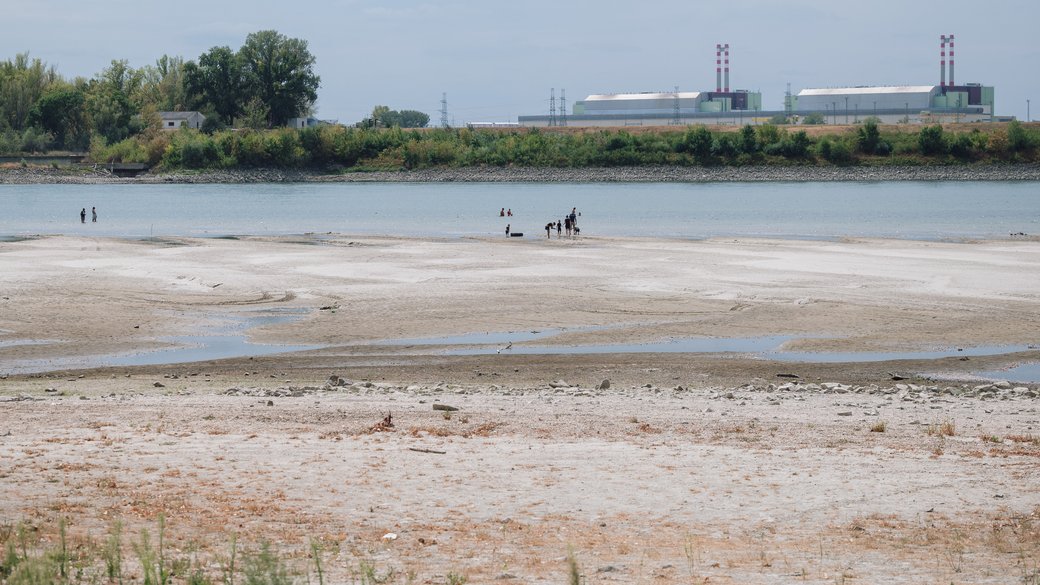
The prolonged decline in the Dniester River’s water levels is disrupting interconnected hydrological, physicochemical and biological processes, gradually pushing the river ecosystem into a persistent environmental crisis.
This assessment was published on Facebook by environmental expert and Eco-TIRAS Executive Director Ilya Trombitsky.
Reduced river discharge and slower flow cause the water column to warm rapidly. As water temperatures rise, the concentration of dissolved oxygen decreases, resulting in bottom-water hypoxia. These processes are particularly dangerous at night, when aquatic vegetation and algae consume oxygen but do not produce it because photosynthesis has ceased.
Water stagnation and increased concentrations of nitrogen and phosphorus compounds create favourable conditions for the mass proliferation of cyanobacteria and filamentous algae. If the volume of untreated or insufficiently treated organic pollution remains unchanged, the risk of harmful algal blooms increases significantly. As algae die, they may release toxic substances, while their decomposition consumes the remaining oxygen.
Under these conditions, the Dniester is gradually losing its natural self-purification capacity. At the same time, the risk of pathogenic microorganisms and viruses spreading through the water increases, threatening not only natural ecosystems but also the drinking water supply of nearby settlements.
Low water levels also negatively affect the reproduction of fish populations. The drying of floodplain meadows, shallow bays and coastal vegetation deprives common carp, bream, pike, roach and other species of their natural spawning grounds. Sharp fluctuations in water levels expose deposited eggs, isolate juvenile fish in shallow areas and cause their mass mortality.
Disturbed sections of the riverbed become increasingly vulnerable to invasive species, including the round goby and certain molluscs and crustaceans. Their expansion intensifies competition for food and habitat, displacing native species of the Dniester fauna.
The situation may become particularly serious in the lower reaches of the river, where water shortages threaten to dry out floodplain lakes and wetlands. This would result in the loss of key nesting, resting and feeding areas for waterbirds. Falling river levels also lower groundwater levels within the floodplain, causing floodplain forests to dry out and accelerating the degradation of meadows and riparian vegetation.
Comment by the Institute of Danube Research
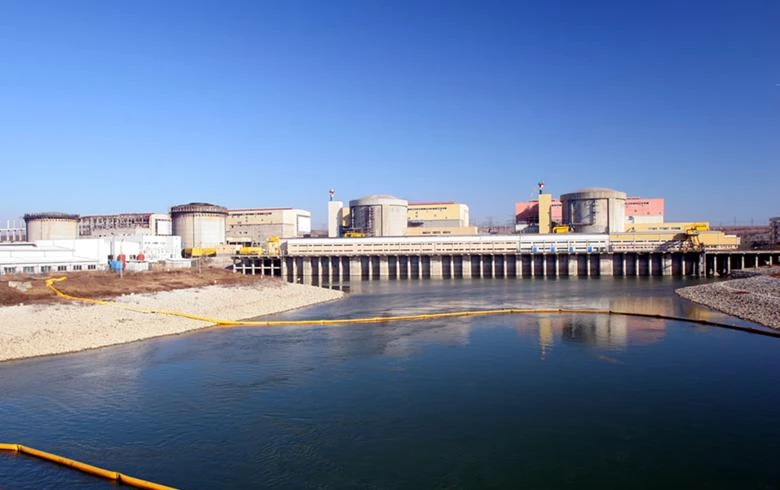
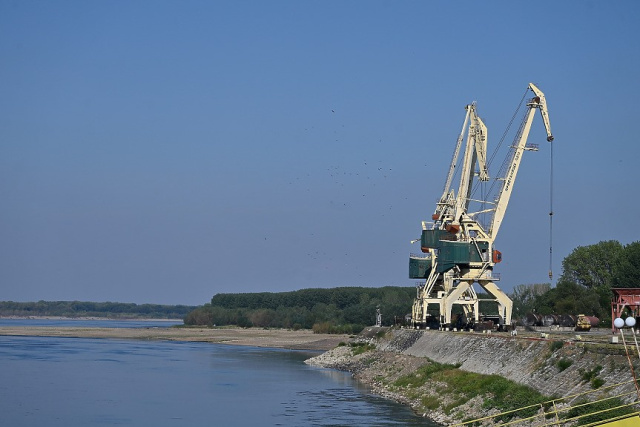
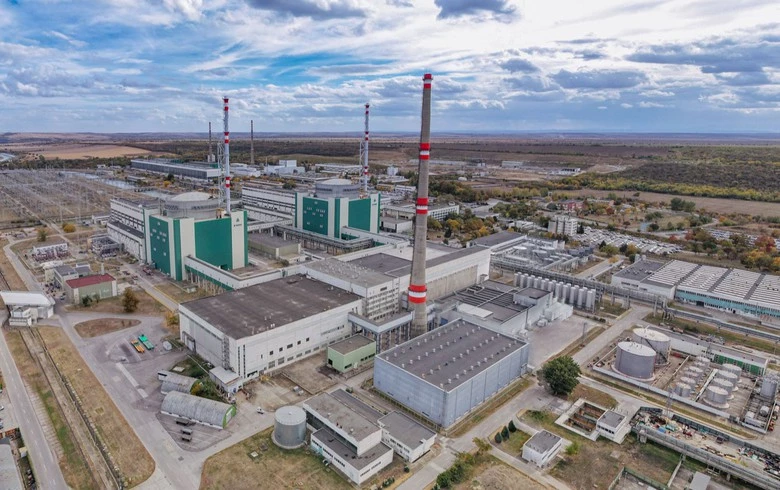
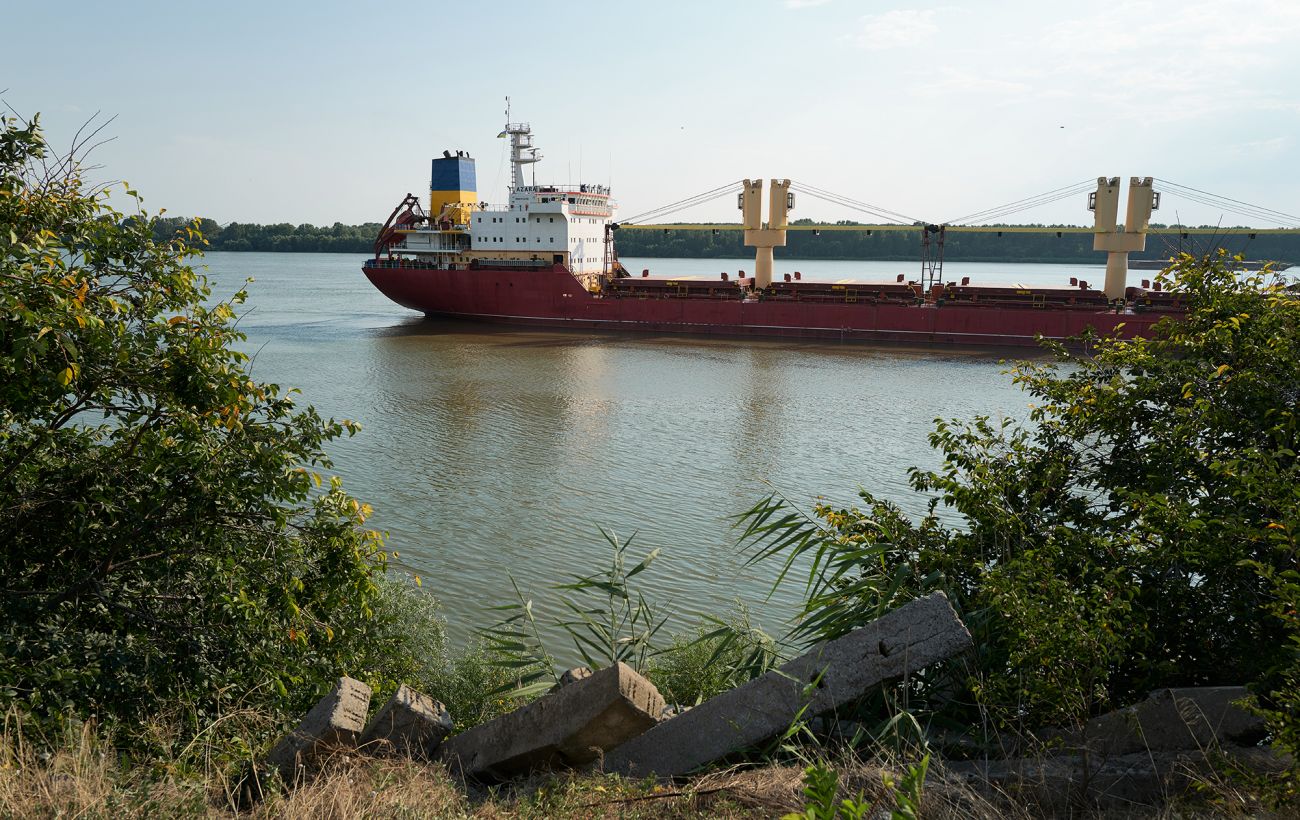
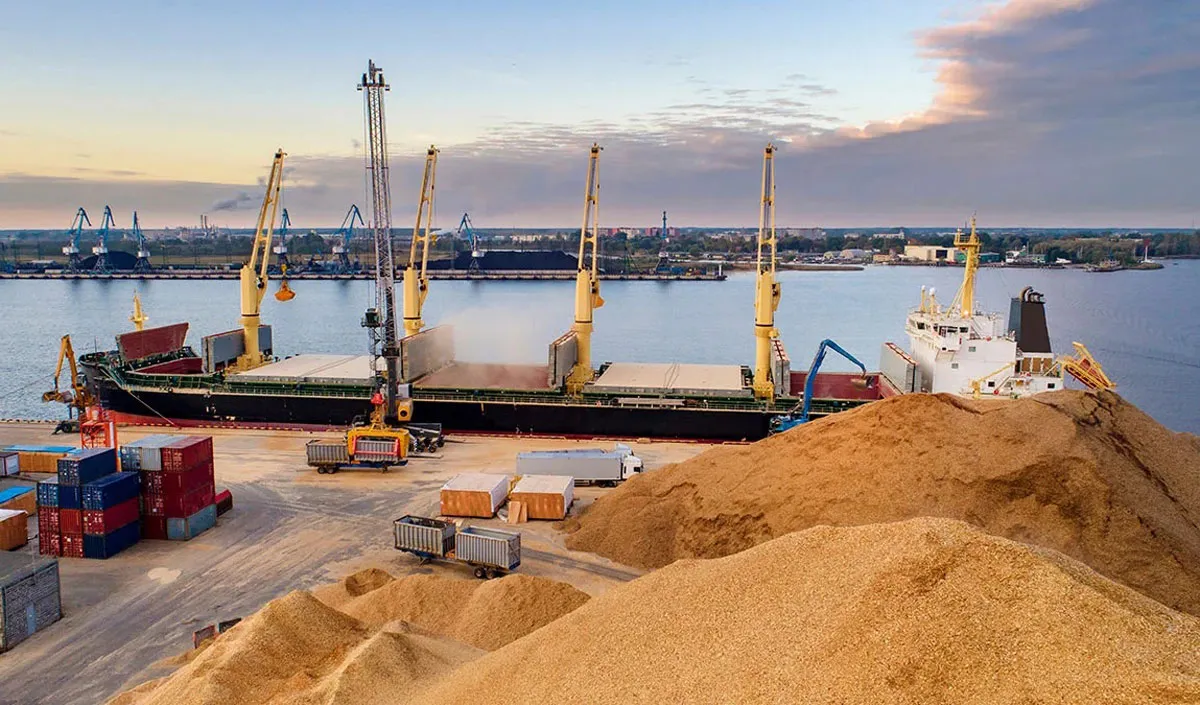
The situation on the Dniester should be considered within the broader context of increasing water scarcity across the major river basins of the Black Sea region. Similar processes are being observed in the Danube basin, where prolonged periods of low water are already affecting wetlands, navigation, port operations, electricity generation and water supply systems.
Although the Dniester and the Danube differ in scale and flow regime, the underlying environmental mechanisms are similar: reduced discharge accelerates water warming, oxygen depletion, eutrophication, the concentration of pollutants and the degradation of floodplain ecosystems. In the lower reaches of both rivers, these processes also threaten wetlands, spawning grounds and habitats used by migratory birds.
Coordinated basin management of the Dniester is critically important for Ukraine and Moldova. It should be based on maintaining an adequate environmental flow, continuously monitoring water quality and taking ecosystem requirements into account when regulating reservoir operations. The experience of cooperation among states within the International Commission for the Protection of the Danube River could also be used to strengthen transboundary coordination in the Dniester basin.
Low water levels can no longer be regarded as a short-term seasonal phenomenon. Under climate change, they are becoming a systemic factor affecting the environmental, social, energy and water security of the entire region. The response must therefore include not only situational regulation of water releases but also the development of a joint long-term policy for adapting the Dniester and Danube basins to changing hydrological conditions.

 Bulgaria
 Hungary
 Romania
 Ukraine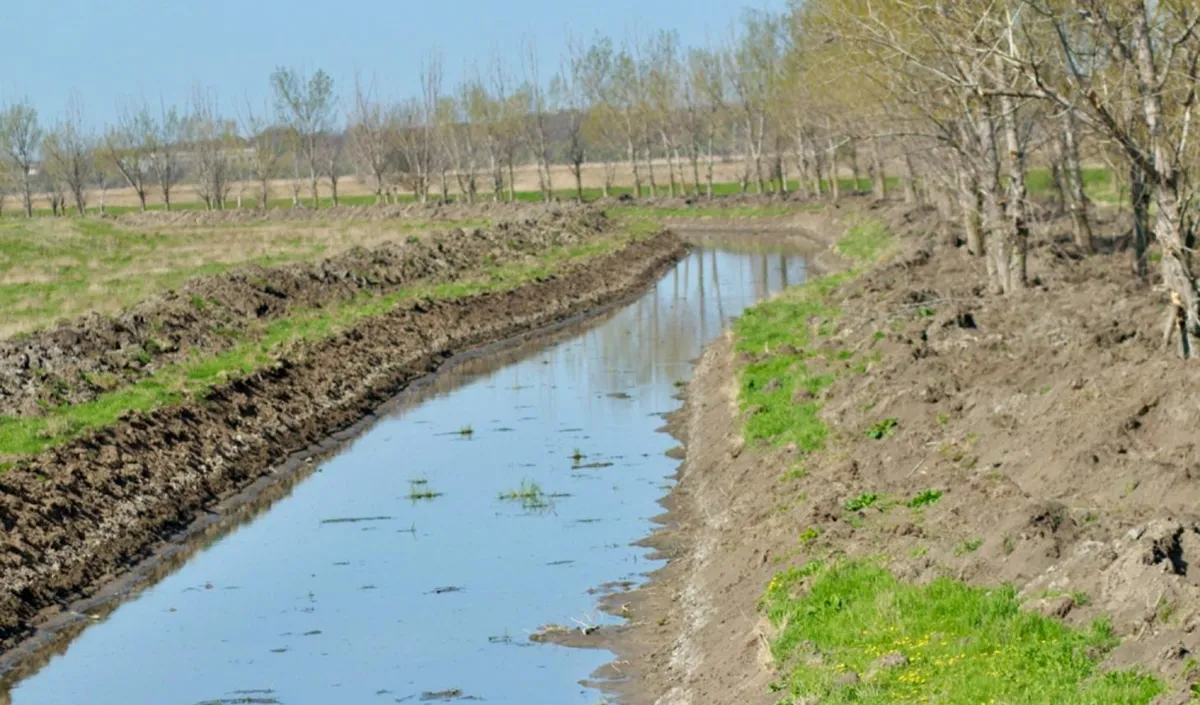
 Serbia

 Danube