

Moldova Advances Integration into the European Transport Network in Brussels
 Moldova
29.09.2026
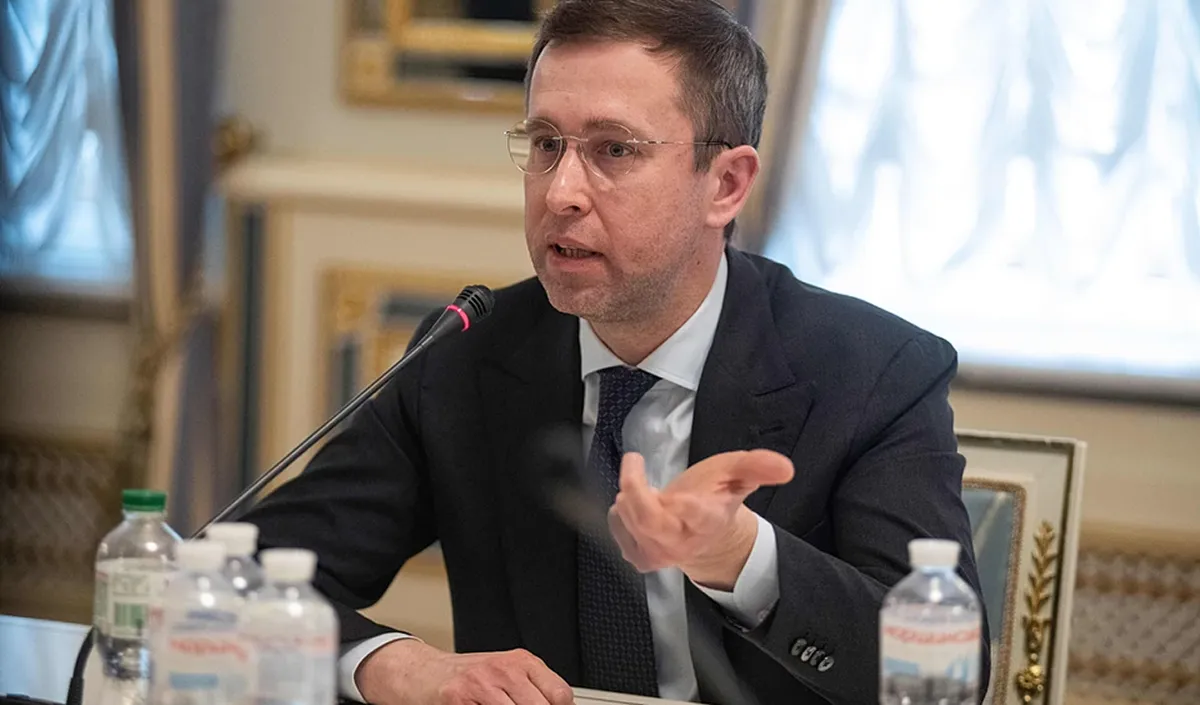
Moldovan Deputy Prime Minister Vladimir Bolea is on a working visit to Brussels from 28 to 30 September, where he is taking part in the Connecting Europe Days and holding meetings with representatives of the European Commission, financial institutions and transport-sector partners.
A central topic of the talks is the development of major infrastructure projects designed to strengthen Moldova’s integration into the European Union’s transport system.
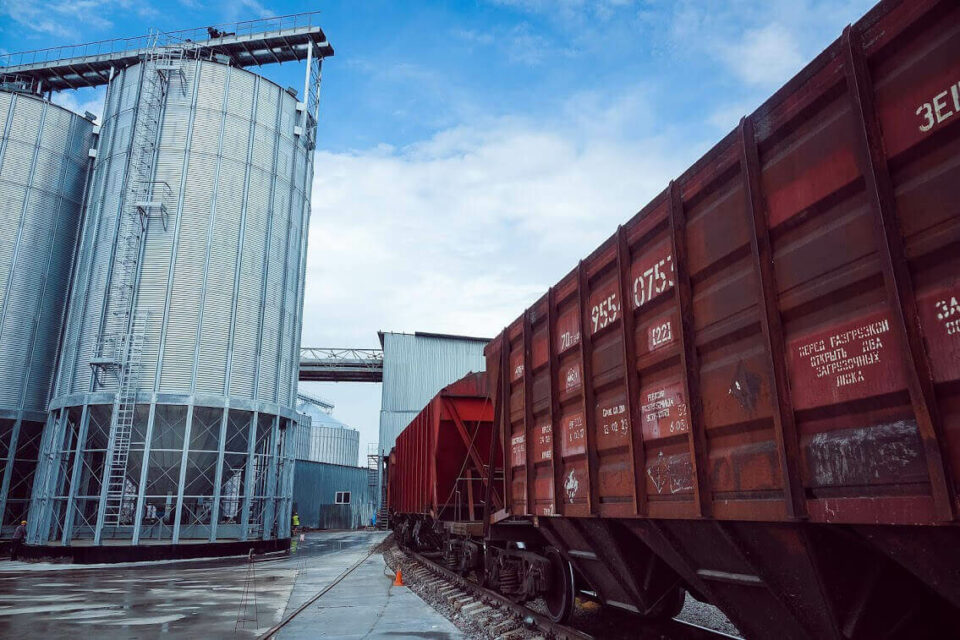
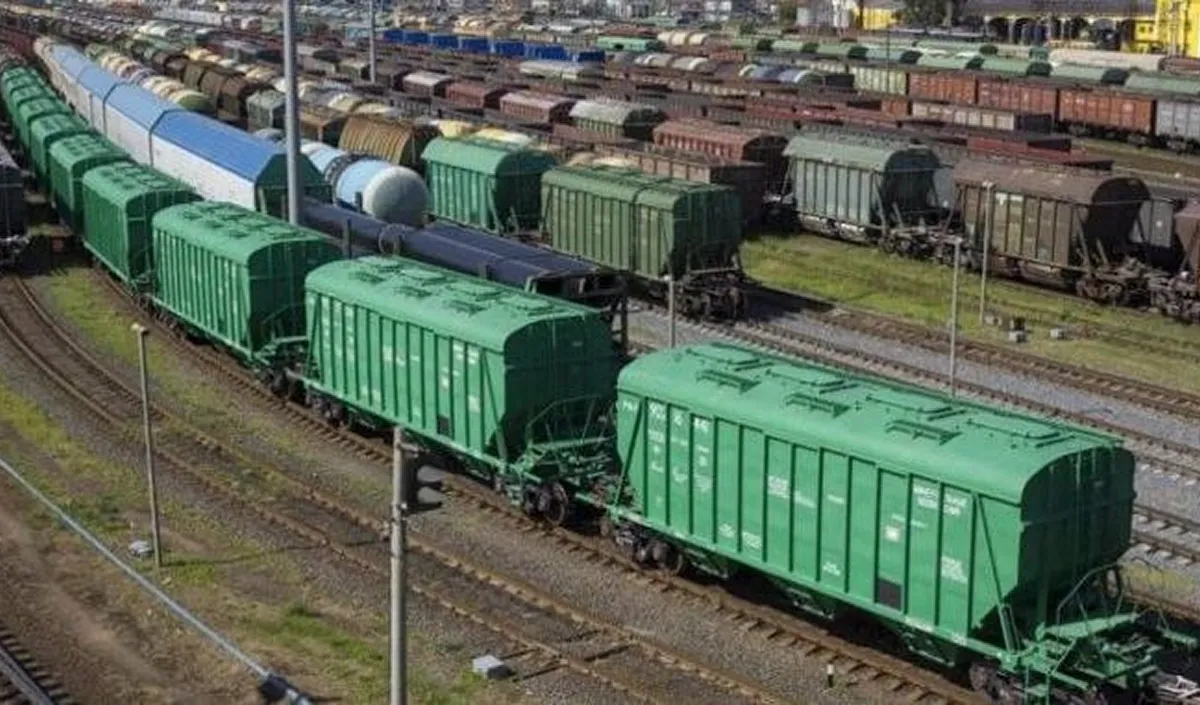
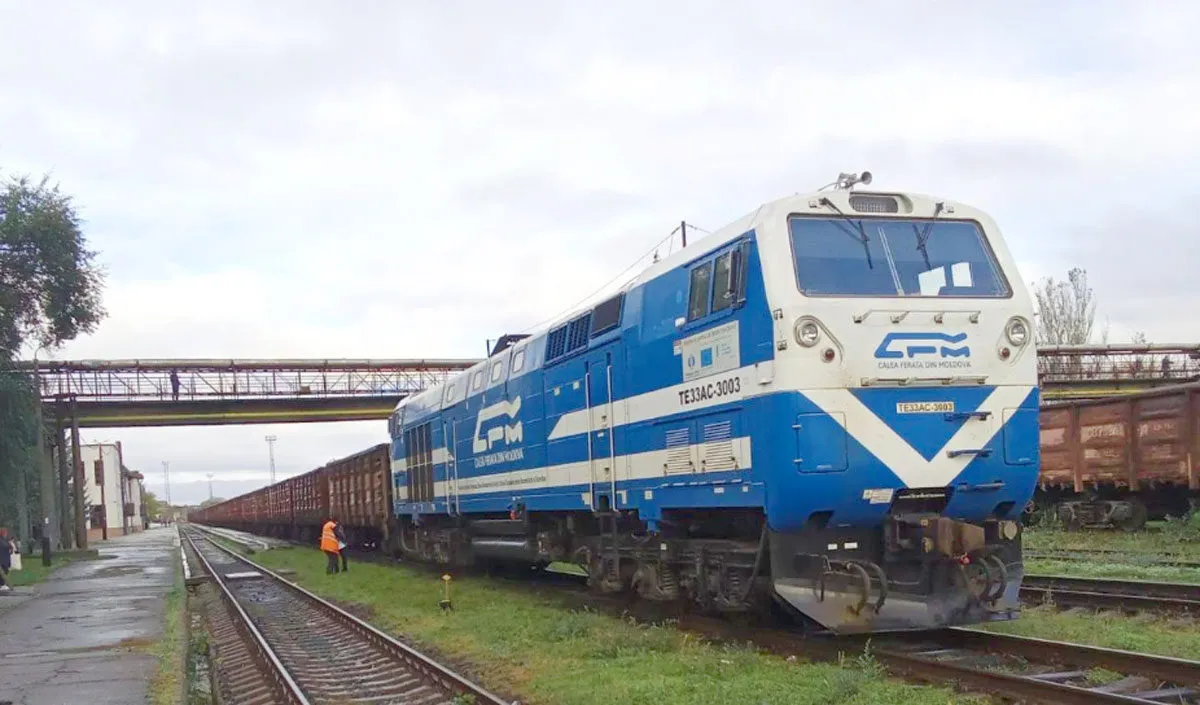
During discussions with Magda Kopczyńska, Director-General of the European Commission’s Directorate-General for Mobility and Transport (DG MOVE), the sides addressed the Ungheni–Chișinău European-gauge railway project. A feasibility study is currently being prepared with JASPERS support. Moldova has asked for the project to remain among the European Commission’s strategic priorities and for assistance in identifying financing sources for its implementation.
Another priority is the Iași–Ungheni–Chișinău motorway. The preliminary stage has been completed and work on the feasibility study is under way. Chișinău is seeking support for the project’s inclusion in future European funding programmes.
The parties also discussed the continuation of the liberalised road freight transport regime between Moldova and the EU. The current agreement remains in force until 31 March 2027, and Moldova is seeking an early start to negotiations on its extension.
Progress in aligning Moldovan transport legislation with EU standards was also reviewed. According to the Moldovan side, 98 draft regulatory acts are at advanced stages, including 59 currently under expert assessment by the European Commission.
During a meeting with Peter Wagner, Director of the European Commission’s Service for Foreign Policy Instruments, attention focused on railway infrastructure and the Solidarity Lanes initiative. Moldova has received €20 million in support for the rehabilitation of sections of the Vălcineț–Ocnița–Bălți–Ungheni–Chișinău–Căinari railway corridor.
The programme of the visit also includes talks with European Commissioner for Sustainable Transport and Tourism Apostolos Tzitzikostas, representatives of the European Investment Bank and the Ukrainian side. Discussions cover road infrastructure, regional transport connectivity and the development of Moldova–Ukraine transport links.
Comment by the Institute of Danube Research
The Institute of Danube Research notes that the Brussels talks point to Moldova’s gradual transition from local infrastructure modernisation towards systemic integration into the EU transport area.
“For Moldova, it is particularly important that three components are being advanced simultaneously: a European-gauge railway, a motorway connection with Romania and the continuation of the liberalised road freight regime. Together, these measures could significantly reshape the country’s transport geography and reduce its infrastructure gap with the European Union.
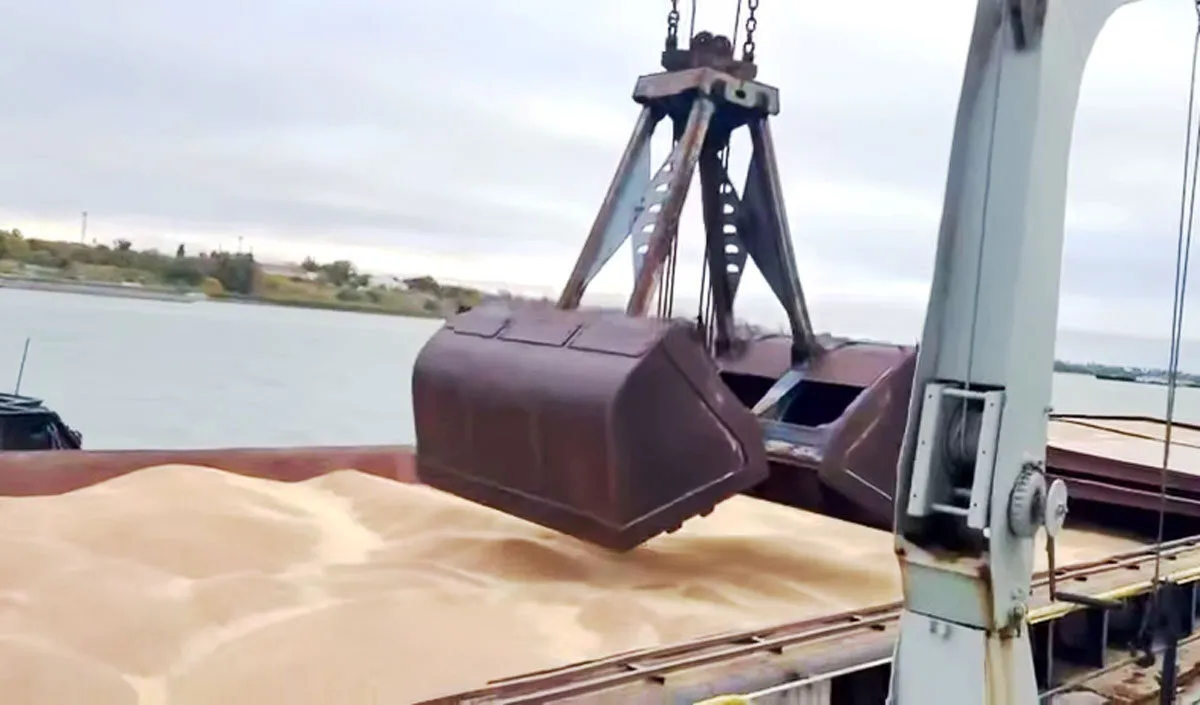
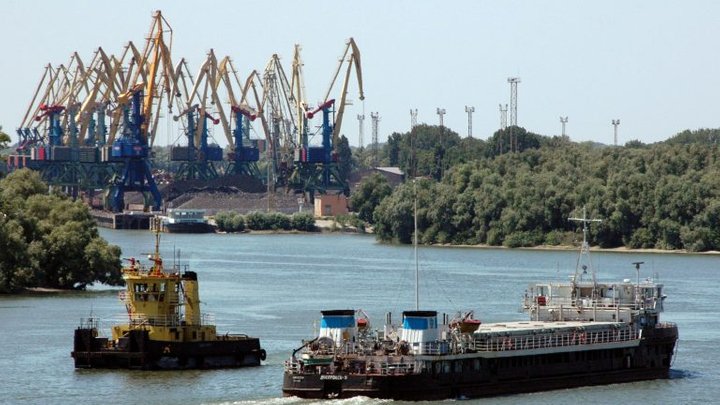
These projects are also important for Ukraine. The Romania–Moldova–Ukraine corridor is increasingly taking shape as an integrated transport and logistics system combining roads, railways, Danube ports and the Solidarity Lanes. Moldova’s infrastructure modernisation therefore has not only national but also wider regional significance.
The key issue at the next stage will be the transition from feasibility studies and political support to secured financing and concrete implementation timelines,” the Institute of Danube Research notes.
 Romania

 Hungary
 Ukraine
 Bulgaria
 Danube
 Serbia