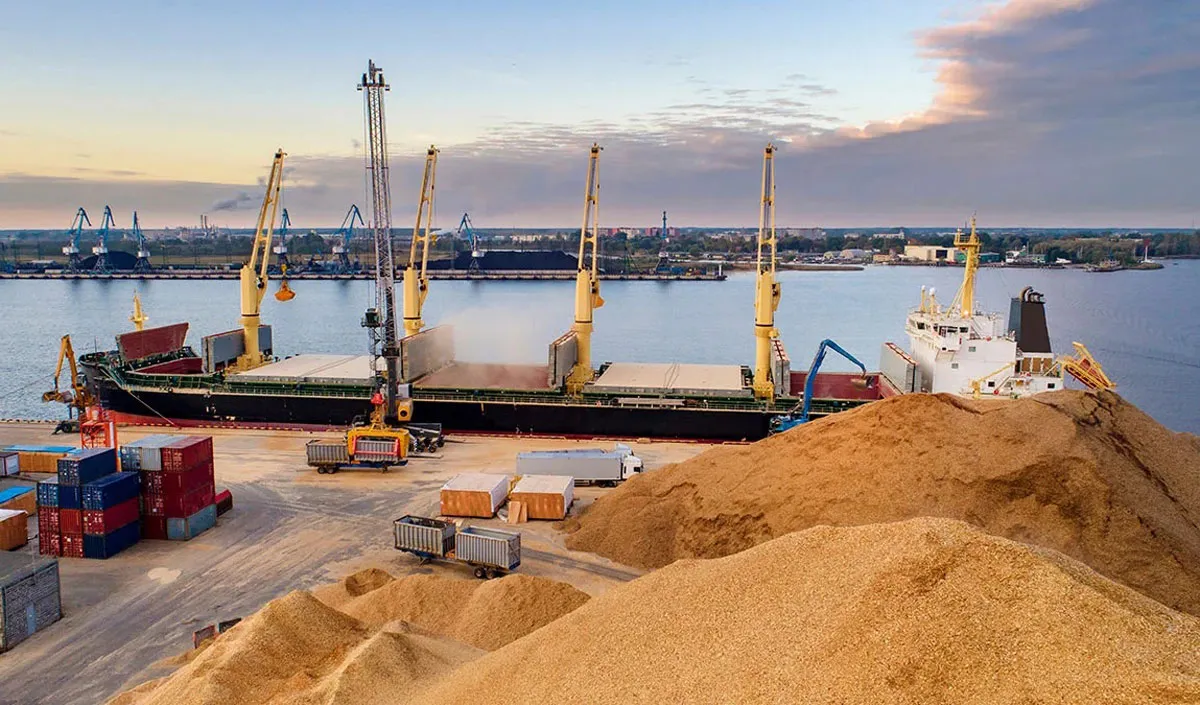


Moldova and EU partners discuss the development of transport corridors in the Danube region
 Moldova
09.07.2026
Moldova
09.07.2026
The Republic of Moldova is taking part in the coordination of European efforts aimed at strengthening transport infrastructure, developing alternative logistics routes and ensuring the stability of freight flows in the Danube–Black Sea region.
During a meeting held within the framework of the European Union’s Solidarity Lanes initiative, the parties discussed measures to increase the resilience of the transport network, develop routes through Moldova and Romania, and ensure uninterrupted freight transportation amid continuing security threats.
Representatives of Moldova’s Ministry of Infrastructure and Regional Development took part in the Quad Meeting, focused on the coordination of transport policy in the Danube and Black Sea region. Participants examined the impact of the security situation on international transport and logistics chains, mechanisms for the rapid exchange of information in the event of incidents affecting transport infrastructure, as well as measures to prevent the environmental consequences of possible attacks on port facilities.
One of the key topics was the update of the Danube Action Plan 2.0, including the preparation of transport infrastructure for the 2026–2027 winter season. Special attention was paid to the development of alternative railway routes through the Republic of Moldova and Romania, which are considered an important element in ensuring the continuity of freight transportation and strengthening the resilience of regional logistics.
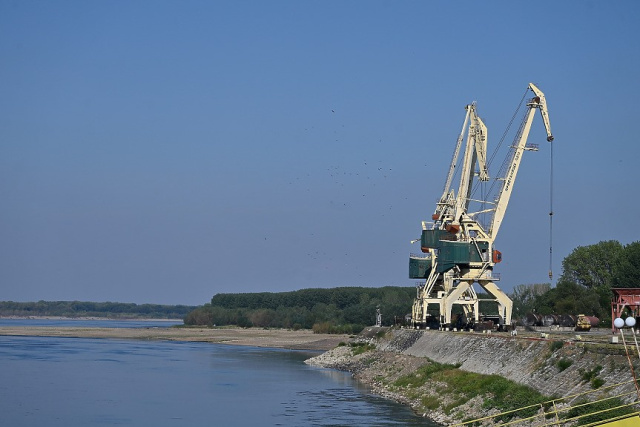
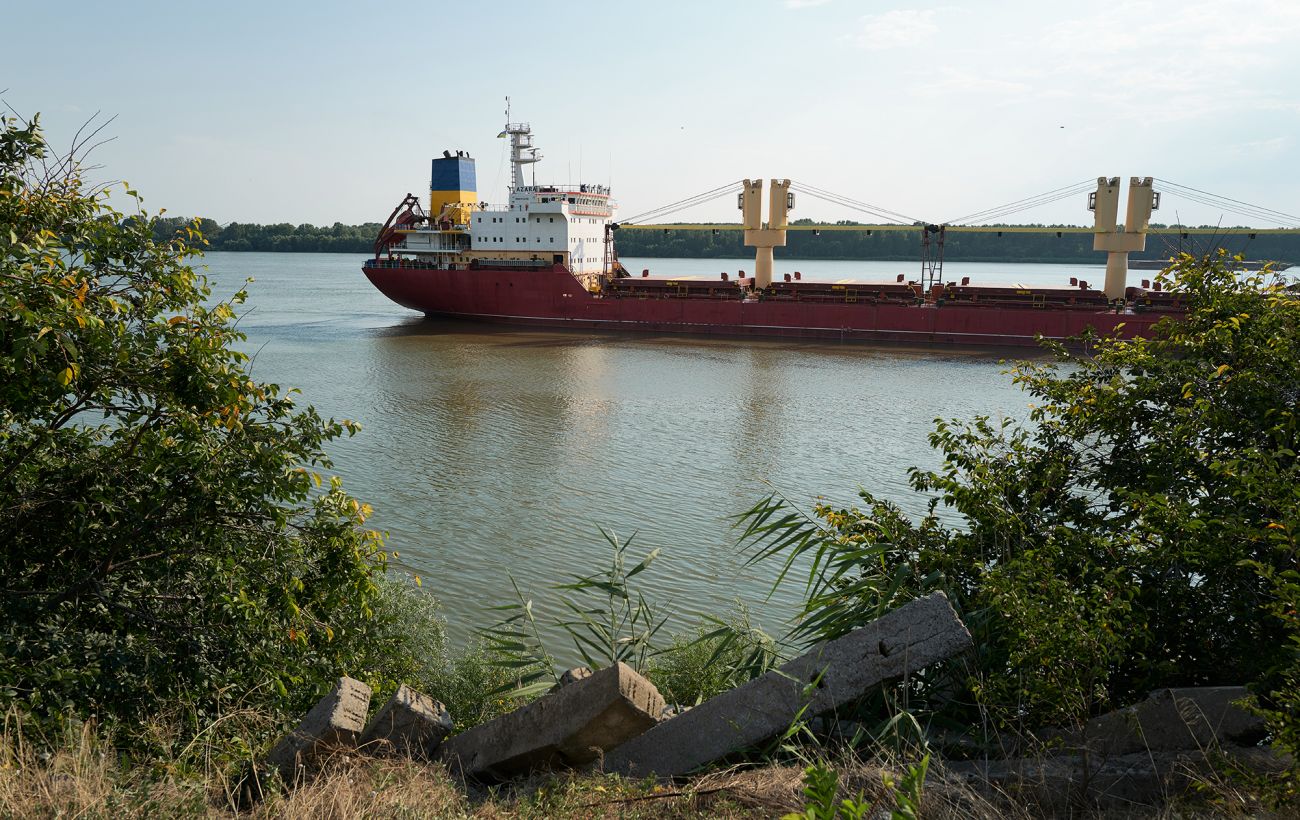
The meeting also addressed access to Danube ports, the condition of road and railway infrastructure, coordination of navigation maintenance works on the Danube, and broader use of the PRIMUS information system for data exchange and operational coordination between responsible authorities.
Following the meeting, the parties confirmed their intention to deepen cooperation between relevant institutions, improve emergency response mechanisms and strengthen coordination in the field of transport security.
Moldova’s Ministry of Infrastructure and Regional Development emphasized that the country’s participation in the Solidarity Lanes initiative is aimed at further integrating the national transport system into the European network and increasing the resilience of international logistics corridors.
Comment by the Institute of Danube Research
The Institute of Danube Research notes that Moldova’s growing role in transport coordination in the Danube–Black Sea region is important not only for Moldova itself, but also for the entire regional logistics system, including Ukraine’s Danube cluster.
Amid the war and continuing risks to port, energy and transport infrastructure, alternative routes through Moldova and Romania are becoming critically important for ensuring the continuity of exports, imports, humanitarian transportation and civil-military logistics.
The update of the Danube Action Plan 2.0 indicates that European partners are moving from crisis response toward more systematic planning of transport resilience. For Ukraine, this creates additional opportunities to integrate Danube ports, railway border crossings, road corridors and border infrastructure into a single regional logistics system.
The development of rapid information exchange mechanisms, including through the PRIMUS system, is particularly important. In the current environment, the speed of response to incidents, coordination between states and joint route planning are as significant as the physical modernization of infrastructure.
The Institute of Danube Research considers that the further development of transport corridors in the Ukraine — Moldova — Romania — EU format should become one of the key priorities of regional policy in the Lower Danube area. This will strengthen transport security, reduce the vulnerability of logistics chains and consolidate the strategic role of the Danube region in Europe’s transport architecture.

 Bulgaria
 Hungary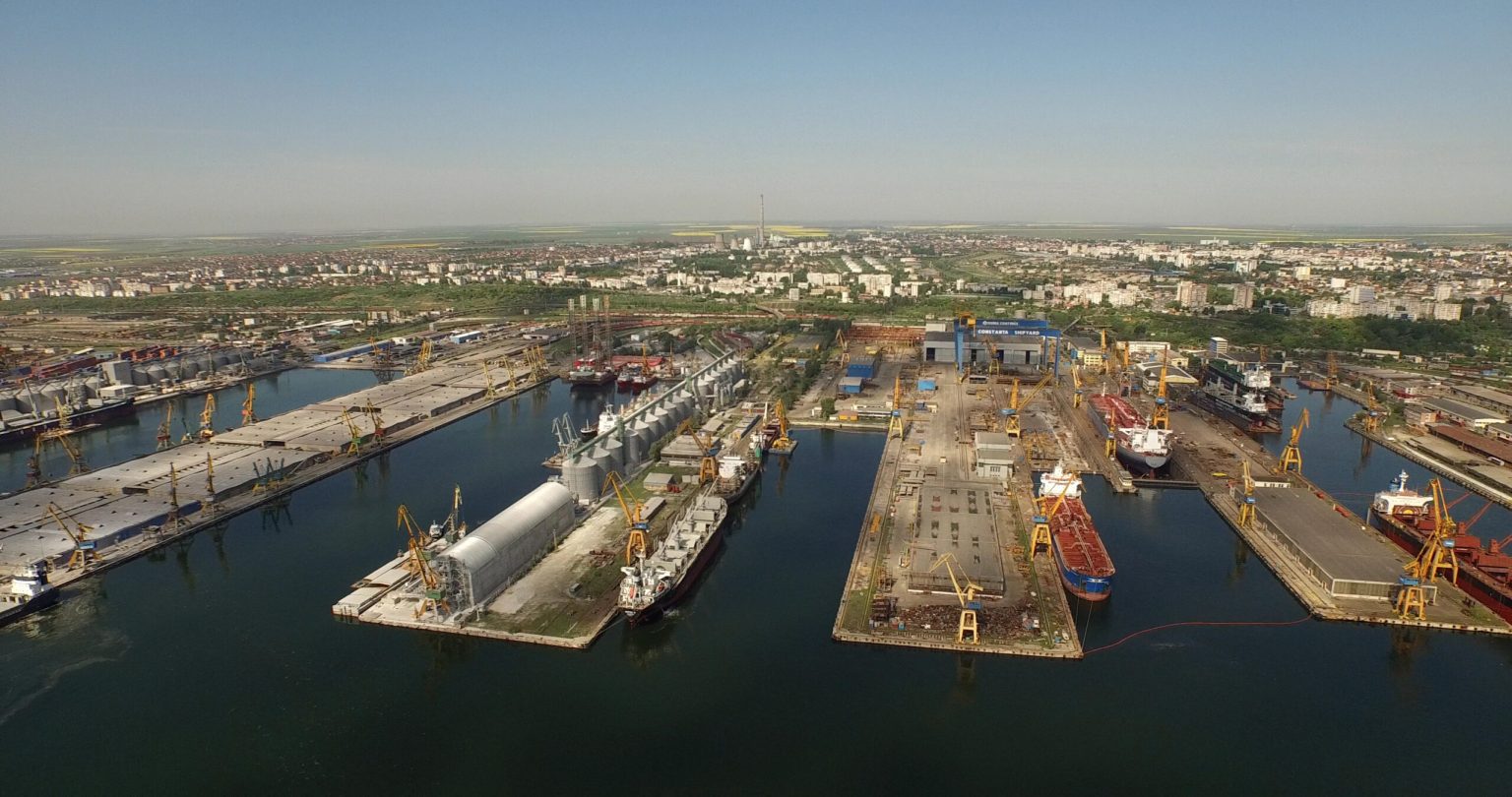
 Romania
 Ukraine
 Serbia

 Danube