

Moldova and Germany Aim to Expand Economic
 Germany
01.10.2026
Moldova and Germany intend to deepen economic cooperation, particularly in industry, digitalisation, SME development and quality infrastructure.
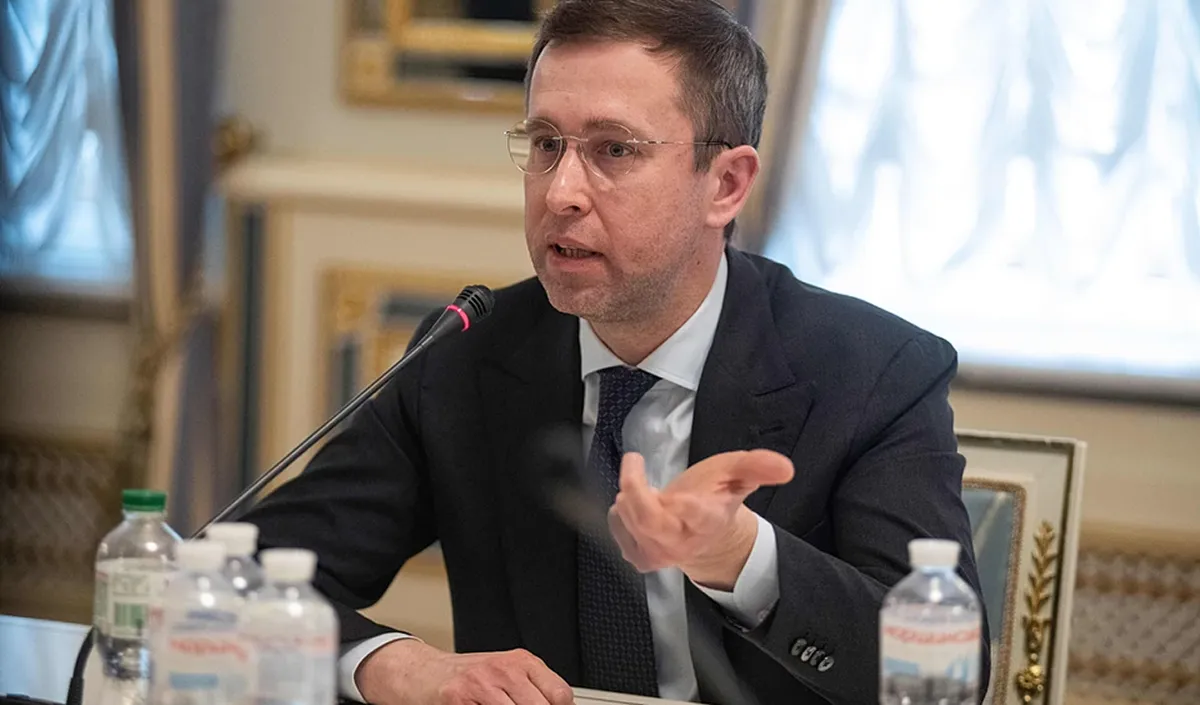
The prospects for bilateral cooperation were discussed during a meeting between Moldova’s Minister of Economic Development and Digitalisation, Claudiu Năsui, and the Ambassador of the Federal Republic of Germany to Moldova, Hubert Knirsch. Particular attention was paid to the economic dimension of Moldova’s European integration and opportunities to attract additional German investment.
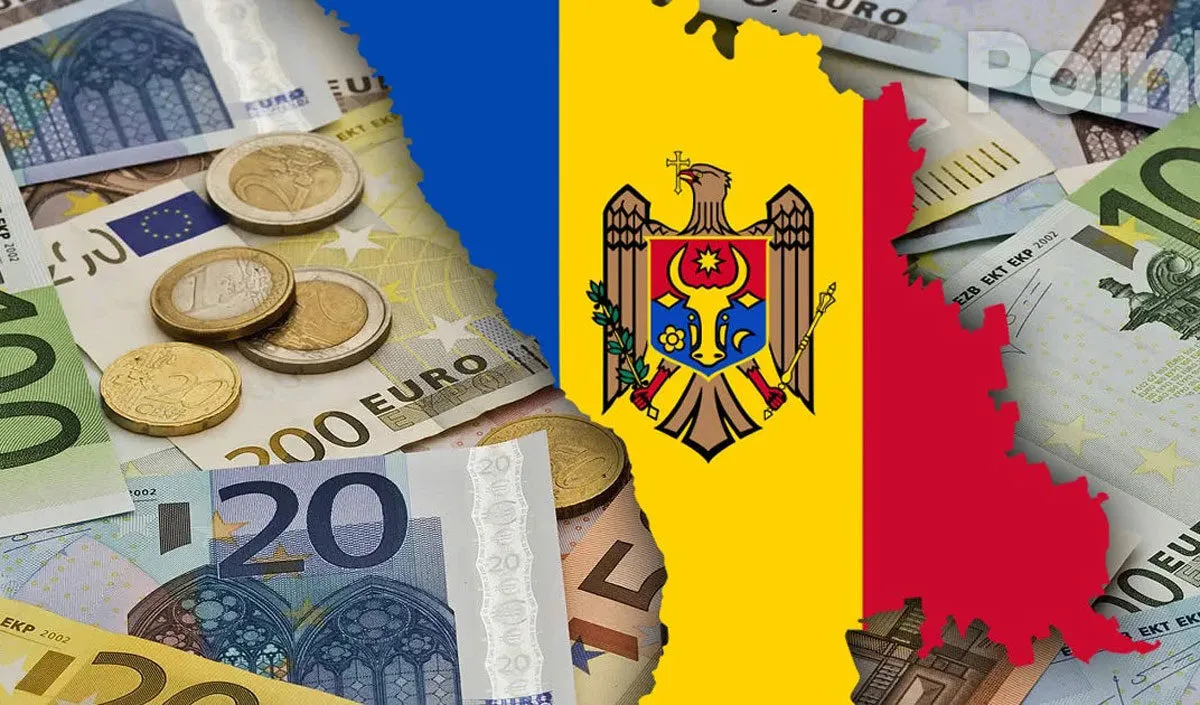
Germany remains one of Moldova’s most important trade and investment partners. Around 435 companies with German capital currently operate in the country, with total investments estimated at approximately €57.2 million.
German capital is represented in retail trade, the automotive industry, electronics and electrical engineering, infrastructure and construction materials. At the same time, 32 companies with German capital are registered in the Moldova Innovation Technology Park.
Trade dynamics are also notable. Between January and July 2026, bilateral trade reached $588 million, an increase of 27% compared with the same period of 2025. Moldovan exports to Germany grew by 67.6% during the first seven months of the year, indicating the increasing importance of the German market for Moldovan producers.
Further cooperation is expected to develop with the support of Germany’s Federal Ministry for Economic Cooperation and Development, GIZ, KfW, the German Economic Team and other German institutions. Priorities include modernising quality infrastructure, increasing business competitiveness and improving access to finance for small and medium-sized enterprises.
Comment by the Institute of Danube Research
The Institute of Danube Research notes that Moldovan-German economic cooperation is gradually moving beyond the traditional model of trade and individual investments towards deeper integration into European production and technology chains.
“Germany’s importance as an economic partner for Moldova is not limited to the volume of invested capital. Germany is one of the European Union’s leading industrial centres, and therefore the presence of German companies also means the transfer of production standards, technologies and management practices, as well as opportunities for local enterprises to become part of European value chains.
The growth of Moldovan exports to Germany is particularly significant. If this trend proves sustainable, it may indicate not only an increase in trade volumes but also the gradual reorientation of part of Moldova’s production towards the more demanding European market.
Quality infrastructure is another critical area. Standardisation, certification, metrology and conformity assessment are among the basic prerequisites for a country seeking deeper integration into the EU single market and further export growth.
At the same time, the potential for cooperation is considerably broader. It includes the digital economy, industrial cooperation, energy efficiency, transport infrastructure and SME financing. Moldova’s key challenge is to transform foreign investment from a collection of individual enterprises into a long-term system of production links with local businesses.
This process is also important for the wider Danube region. Moldova’s growing economic integration with Germany and other EU member states increases the need for better transport connectivity, modernised border infrastructure and stronger corridors linking Moldova, Ukraine and Romania with the markets of Central Europe,” the Institute of Danube Research stated.
The Institute believes that, in the longer term, the effectiveness of this partnership should be assessed not only by the overall volume of German investment, but also by the number of new production facilities, the share of higher-value-added products, the integration of Moldovan companies into European industrial networks and the expansion of exports to the EU market.
 Romania

 Hungary
 Ukraine
 Moldova

 Bulgaria
 Danube

 Serbia