

Moldova and the World Bank Agree on a Grant to Prepare the Modernization of Termoelectrica
 Moldova
01.07.2026
Moldova
01.07.2026
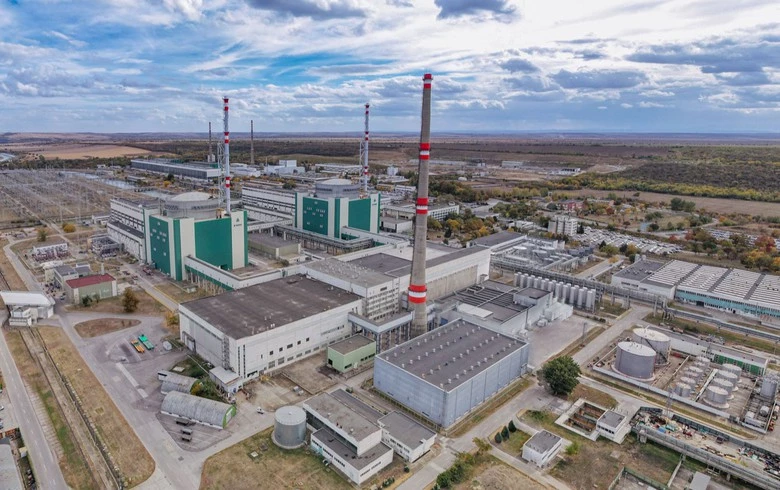
The Republic of Moldova and the World Bank have signed a grant agreement worth up to USD 1.7 million to prepare a project for the modernization of Chișinău’s thermal energy system. The non-reimbursable financing will be used to prepare the construction of new high-efficiency heat and electricity generation capacities for Termoelectrica JSC.
The agreement was signed by the Ministry of Energy of the Republic of Moldova and the International Bank for Reconstruction and Development, part of the World Bank Group. The grant will support the preparation of technical documentation, specialized studies, environmental and social assessments, and other activities necessary for developing a strategic investment project.
The project is based on the findings of a feasibility study prepared under the Second District Heating Efficiency Improvement Project, financed by the World Bank. The study recommends the construction of a new high-efficiency combined-cycle cogeneration unit, which should contribute to the modernization of Chișinău’s energy infrastructure and strengthen Moldova’s energy security.
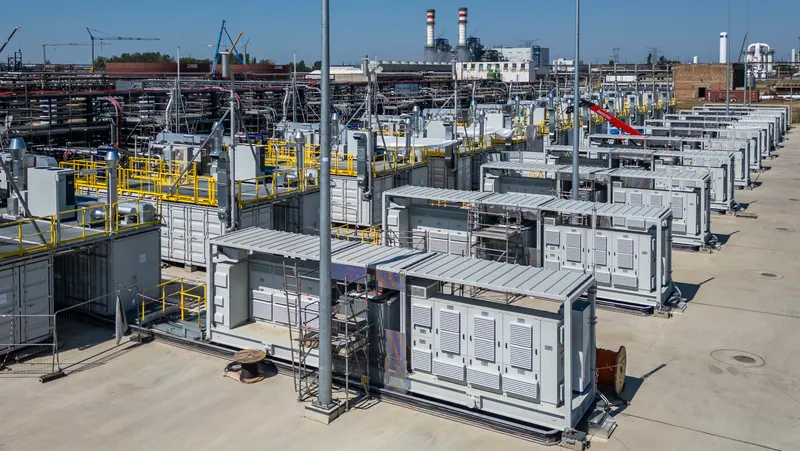
The planned cogeneration facility is expected to have an electric capacity of approximately 250 MW and a thermal capacity of around 180 MW. This configuration will allow the simultaneous production of electricity and heat with lower fuel consumption compared to traditional technologies, reducing the cost of energy production and improving the efficiency of energy resource use.
According to Moldovan authorities, the future investment will create the conditions for the gradual replacement of outdated generation capacities, increased energy efficiency, lower fuel consumption and reduced greenhouse gas emissions. The project is also expected to support the integration of renewable energy sources and the development of a more resilient and flexible energy system. The activities financed by the grant are to be implemented by the end of 2027.
Comment by the Institute of Danube Research
The modernization of Termoelectrica is important not only for Chișinău, but also for Moldova’s broader energy resilience as the country gradually integrates into the European energy space. This is a transition from an outdated centralized heating model toward a more efficient system of combined heat and power generation.
For the Lower Danube region and the territories bordering Ukraine, this project is indicative. Energy security is increasingly becoming a component of regional security, alongside transport infrastructure, border cooperation and logistics. Moldova is demonstrating an intention not only to diversify its sources of supply, but also to modernize domestic generation, thereby reducing systemic risks linked to external dependence.
Of particular importance is the fact that the project combines energy efficiency, a climate dimension and preparation for the integration of renewable energy. This model corresponds to the current logic of European energy policy, where system stability, emissions reduction and generation flexibility are viewed as interrelated objectives.
For Ukraine, Moldova’s experience is relevant in the context of the need to restore and modernize its own energy infrastructure. Especially important is the approach in which international financing is used not only for immediate response, but also for the high-quality preparation of major investment projects — including technical documentation, environmental assessments and a long-term logic of energy resilience.
In a broader sense, the modernization of Moldova’s energy sector confirms that the countries of the Danube–Black Sea area are shaping a new security architecture, in which energy, infrastructure and regional cooperation become elements of shared resilience.

 Bulgaria
 Hungary
 Romania
 Ukraine
 Serbia

 Danube