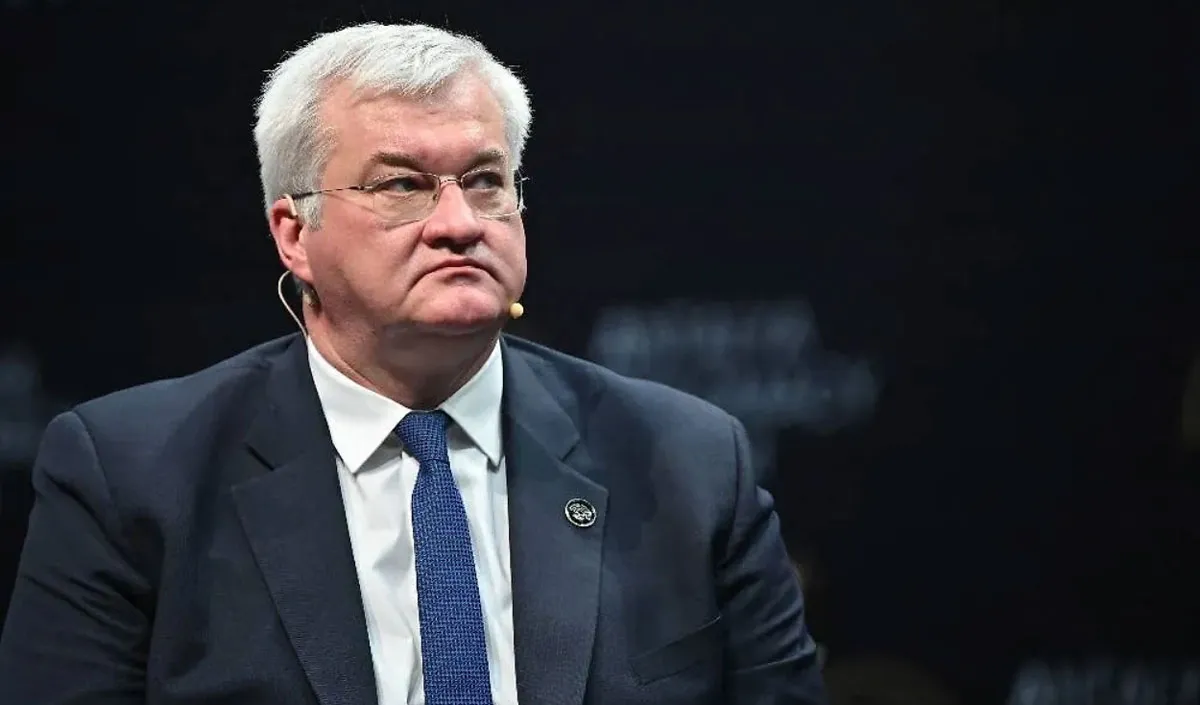


Moldova and Ukraine agree to accelerate freight transit
 Ukraine
10.08.2026
Ukraine
10.08.2026
Ukraine and the Republic of Moldova intend to increase the capacity of border crossing points, reduce waiting times for freight vehicles and improve the efficiency of road and rail transport.
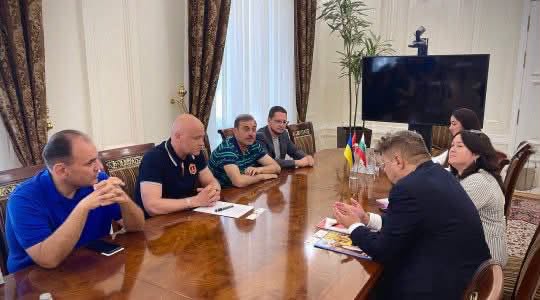
Moldovan Minister of Infrastructure and Regional Development Vladimir Bolea announced this following a working visit to Ukraine.
Together with his Ukrainian counterpart Mykola Kalashnyk and Head of the Odesa Regional Military Administration Oleh Kiper, the Moldovan minister visited border crossing points and inspected a section of the M-15 Odesa–Reni highway near Palanca.
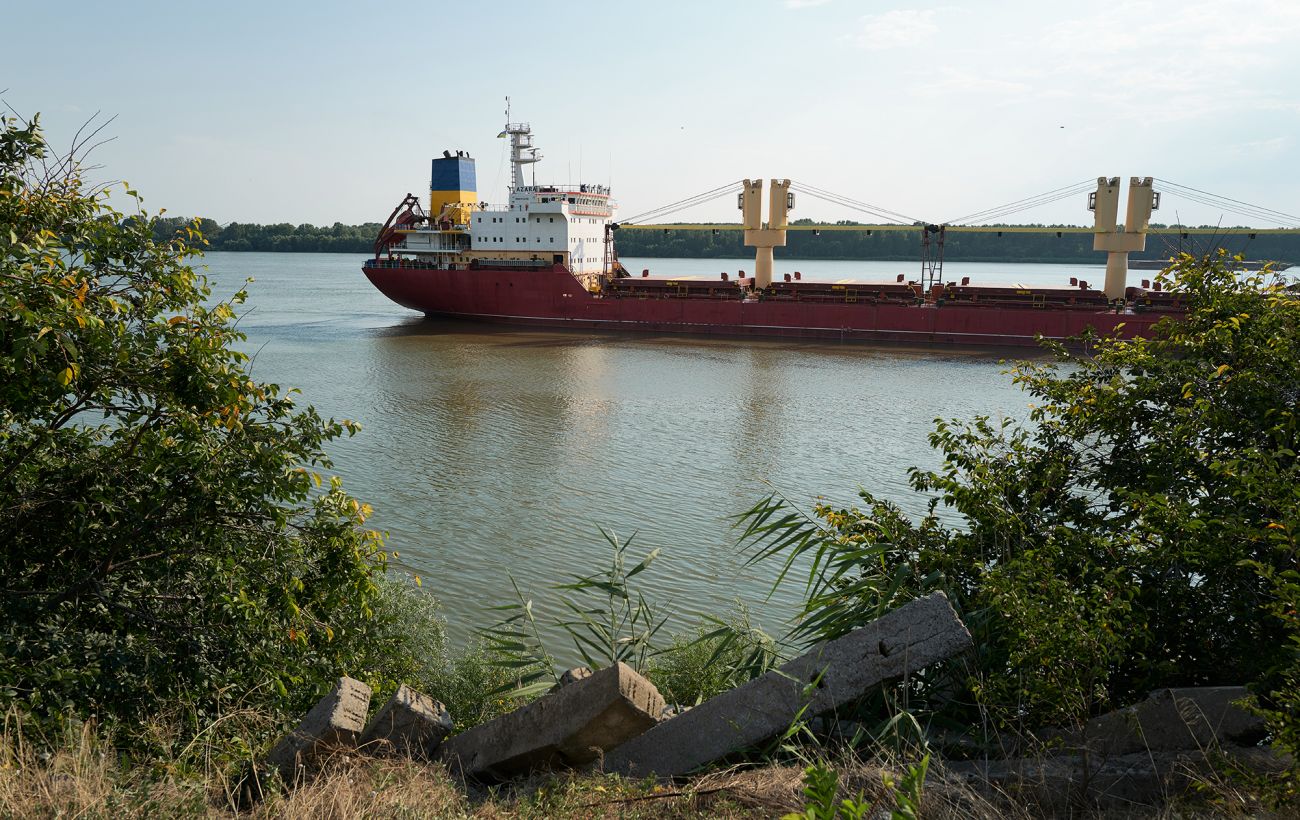
According to Bolea, the priorities are to increase border capacity, reduce waiting times and make freight transport more efficient. The parties also discussed the road and rail transit of grain through Moldova to Ukrainian ports on the Danube.
“We need faster transport flows adapted to the capacity of our infrastructure. In a region where infrastructure continues to be attacked, every functioning section of road, every railway line and every border crossing point matters,” Bolea stated.
The visit took place amid growing pressure on the Ukrainian–Polish border and an increase in freight vehicles registered to cross it. A total of 7,342 trucks were registered in Ukraine’s eQueue system, including 6,450 on the Polish route.
The Ukrainian authorities emphasise that these figures should not be interpreted as the actual physical queue at border crossing points. They represent advance electronic registrations rather than the number of trucks directly waiting at the border.
Comment by the Institute of Danube Research
Accelerating transit through Moldova is strategically important for the resilience of Ukraine’s foreign trade. Increasing pressure on the Polish route and the continuing threat of Russian attacks against transport and port infrastructure require Ukraine to further diversify its logistics corridors.
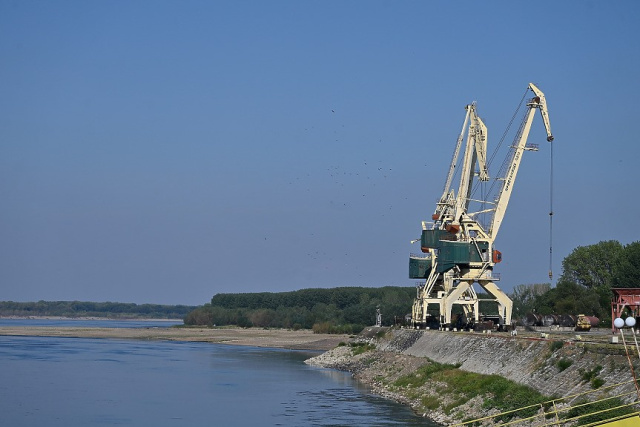
The Moldovan corridor connects southern Odesa region with the rest of Ukraine and facilitates cargo access to the Danube ports of Reni and Izmail. Increasing border capacity, harmonising control procedures and developing rail transit could reduce logistics costs and transport delays while improving the competitiveness of Ukrainian exports.
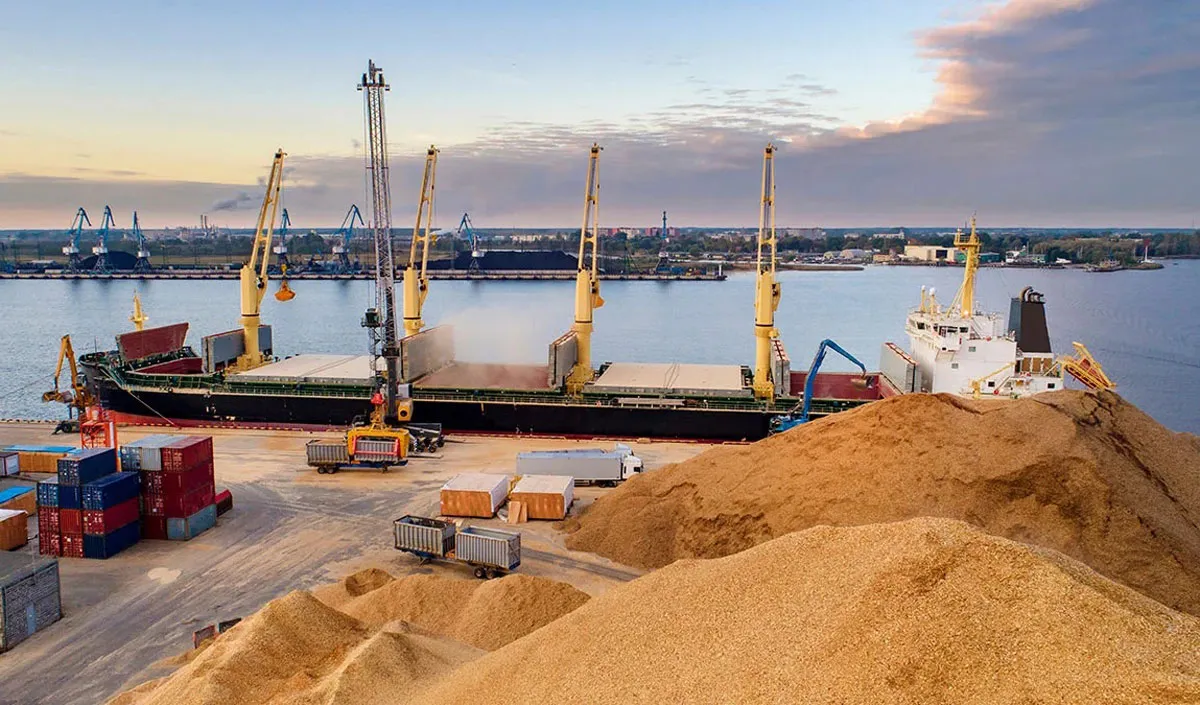
The systematic development of rail services for transporting grain and other bulk cargo through Moldova to Ukrainian Danube ports is particularly promising. It could partially relieve pressure on roads and border crossings while supporting a more balanced multimodal transport model.
The practical results of the agreements will depend on the modernisation of border infrastructure, the digitalisation of procedures, the coordination of control services and the introduction of joint border controls wherever technically and legally possible. The Ukrainian–Moldovan corridor should be viewed not as a temporary crisis route but as a permanent component of the Lower Danube logistics system and the future integrated transport network of the European Union.

 Bulgaria
 Hungary
 Romania
 Moldova
 Serbia

 Danube