

Moldova does not extend the state of emergency in the energy sector but maintains risk monitoring
 Moldova
25.06.2026
Moldova
25.06.2026
The Republic of Moldova will not extend the state of emergency in the energy sector, which expired on June 23, 2026. At the same time, the government acknowledges that certain risks related to energy supply remain relevant.
This was reported by the Ministry of Energy of the Republic of Moldova.
According to the ministry, the decision was taken after an analysis of recent developments in the energy market, including the regional context. The purpose of this step is to return to the full functioning of market mechanisms in the electricity and petroleum products sectors.
The Ministry of Energy emphasized that, despite the termination of the special regime, a high level of monitoring and preparedness for possible crisis situations will be maintained.
During the period of the high-alert regime, Moldovan authorities applied measures aimed at maintaining the stability of the electricity system. According to the ministry, this made it possible to avoid significant costs that could have arisen if emergency assistance mechanisms had been activated.
In April 2026, electricity under emergency contracts was required for only four hours on days of abnormally high consumption. At the same time, temporary restrictions on export capacity during peak load periods and measures to optimize domestic consumption contributed to strengthening the country’s energy security.
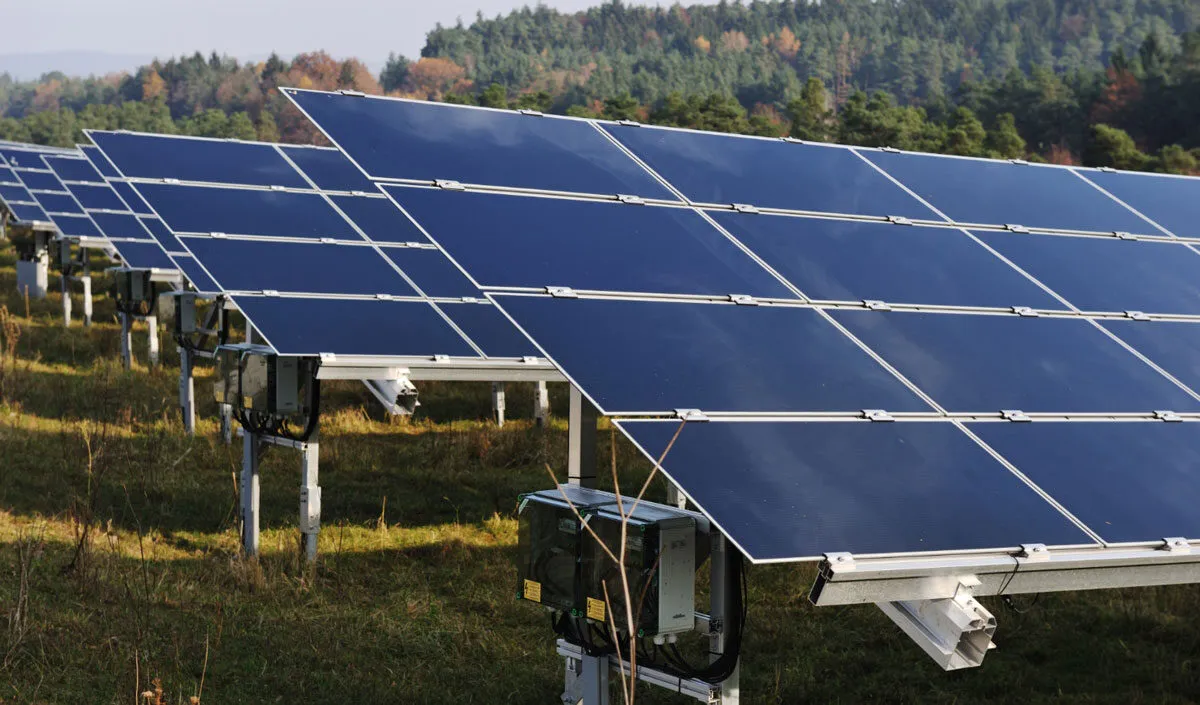
The Ministry of Energy also draws attention to the growth of domestic electricity production, including from renewable sources. In April, May and June 2026, local electricity generation, including renewables, covered around 40% of consumption.
The situation on the petroleum products market also remains stable. According to assessments carried out on June 23, 2026, Moldova’s petroleum products market continues to function normally, without significant supply disruptions and without immediate risks of shortages. Economic operators have sufficient inventories, while import flows are maintained through existing logistics channels.
Comment by the Institute of Danube Research
According to experts of the Institute of Danube Research, Moldova’s decision not to extend the state of emergency in the energy sector indicates a gradual stabilization of the domestic energy market, but it does not mean that systemic risks have disappeared completely.
For Moldova, energy security remains one of the key factors of state resilience. The country continues to operate in a complex regional environment where energy markets are affected by Russia’s war against Ukraine, instability of cross-border supplies, price fluctuations and the need for further integration with European energy infrastructure.
An important positive signal is the growing share of domestic electricity production. Covering around 40% of consumption through local generation, including renewable sources, demonstrates the gradual strengthening of Moldova’s energy autonomy. At the same time, this indicator does not yet eliminate the country’s dependence on imports, regional balancing mechanisms and the stability of external logistics routes.
For Ukraine, the situation in Moldova has not only a neighboring, but also a strategic significance. Moldova’s energy resilience is directly linked to the security of the south-western region, the functioning of cross-border infrastructure, and the stability of the Danube and Black Sea area.
Vitaliy Barvinenko, Director of the Institute of Danube Research, notes that Moldova’s energy stabilization is an important element of regional security.
“Moldova is demonstrating its intention to move from crisis response mode to the normal functioning of the energy market. This is a positive signal, but it should not create an illusion of complete security. Energy in our region remains part of a broader security system where electricity, logistics, cross-border infrastructure and political stability are interconnected.
For Ukraine, it is important that Moldova is energy-resilient, integrated into the European market and capable of responding independently to crisis situations. This strengthens the security of the entire Danube-Black Sea region and creates additional opportunities for Ukrainian-Moldovan cooperation in energy, infrastructure and recovery,” Vitaliy Barvinenko emphasized.
The Institute of Danube Research believes that further strengthening Moldova’s energy security should be based on three areas: the development of domestic generation, primarily renewable energy; deeper integration with the European energy market; and stronger cross-border cooperation with Ukraine and Romania.
In the medium term, energy cooperation between Ukraine, Moldova and Romania may become one of the key instruments of regional resilience amid war, climate challenges and the transformation of European energy markets.

 Bulgaria
 Hungary
 Romania
 Ukraine
 Serbia

 Danube