

Moldova Introduces a 60-Day State of Emergency in the Energy and Hydrological Sectors
 Moldova
23.09.2026
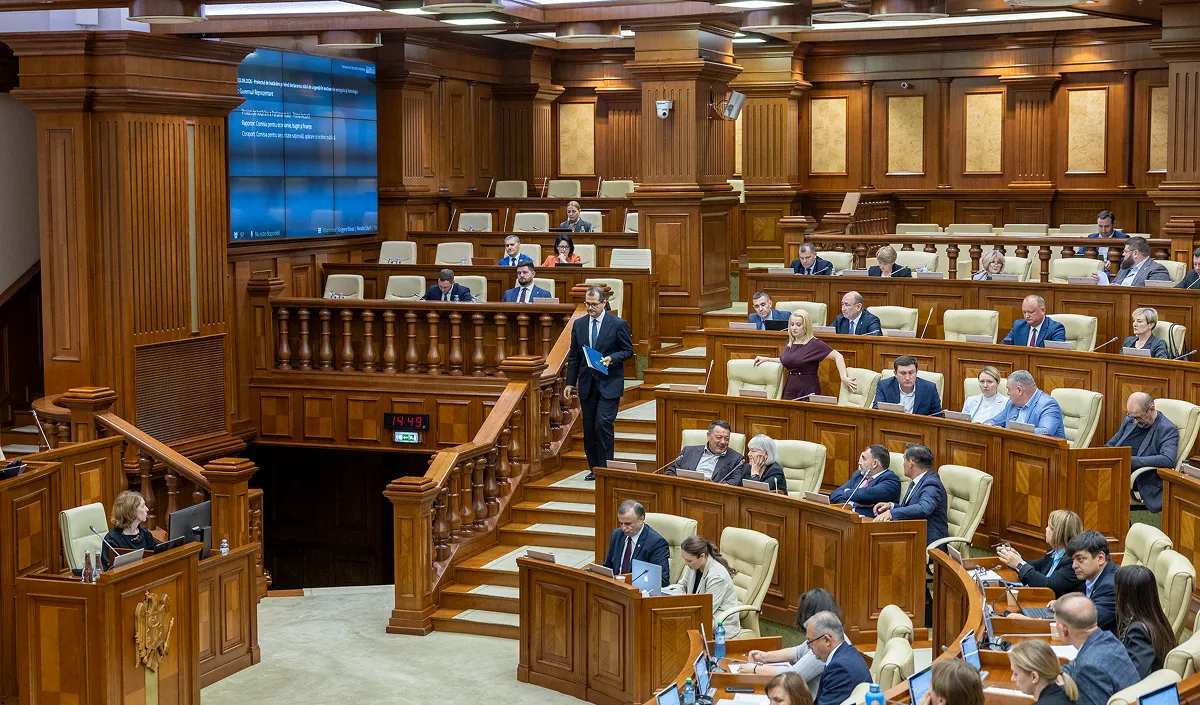
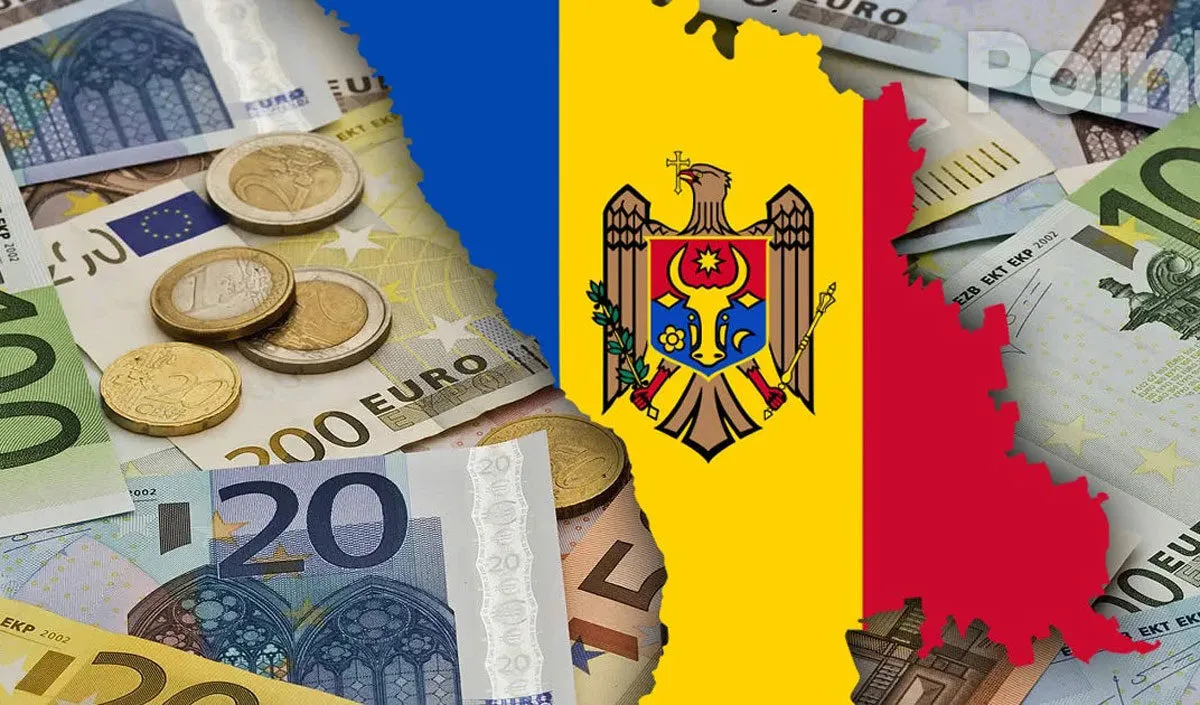
The Parliament of the Republic of Moldova has approved the introduction of a nationwide state of emergency in the energy and hydrological sectors for a period of 60 days. The emergency regime will take effect on September 26. The decision was supported by 54 MPs following approximately five hours of debate.
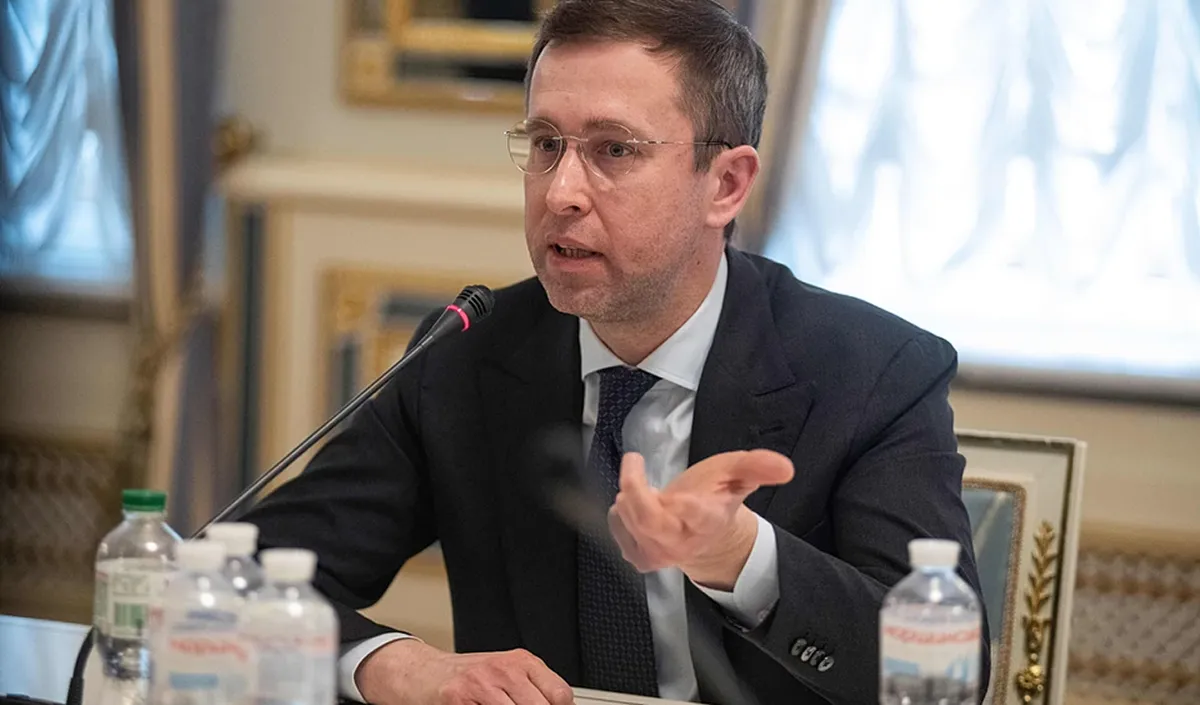
Prime Minister Vasile Tofan explained that the measure was necessary due to the simultaneous intensification of several interconnected risks ahead of the cold season, including instability on energy markets, challenges related to fuel supplies, the situation in Ukraine’s energy system, and the prolonged water deficit in the Dniester and Prut river basins.
According to the government, the state of emergency is primarily preventive in nature and is intended to give public authorities greater flexibility to respond rapidly to possible disruptions in energy, fuel and water supplies.
The Moldovan government reports that the country has already contracted more than 90% of the natural gas required for the cold season. However, part of these purchases remains linked to European market prices. In the first half of September, the price of gas at the TTF hub reached around EUR 84 per MWh, approximately 50% above the benchmark incorporated into the current tariff.
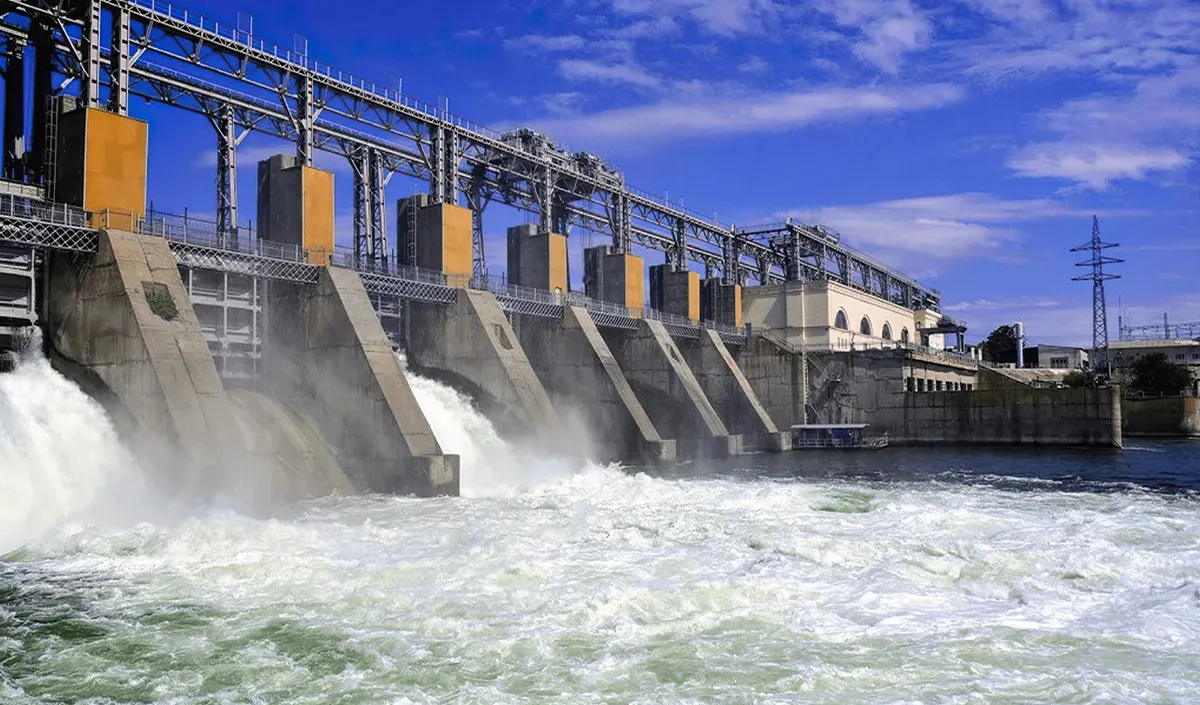
A separate group of risks is linked to water resources. According to the Moldovan authorities, in recent weeks the average inflow into the Dniester Reservoir has been around 22 m³/s, while releases of at least 60 m³/s need to be maintained. Due to drought conditions, electricity generation at the Costești hydropower facility on the Prut has fallen by approximately 55%. Low water levels on the Danube are also limiting the region’s hydropower potential.
The energy situation is further influenced by the condition of Ukraine’s power system. According to estimates presented in Chișinău, Moldova may need to import around 400–450 MW of electricity during winter peak hours, while the guaranteed capacity of the interconnection with Romania is approximately 360 MW. Part of the deficit may therefore have to be covered through Ukraine, whose export capacity depends on the condition of its energy infrastructure amid continued Russian attacks.
Opposition factions criticised the decision, arguing that Moldova has relied excessively on emergency regimes and that such measures broaden the executive branch’s authority. PSRM MP Petru Burduja said that the government should instead present a long-term plan for overcoming the country’s energy and water challenges.
Representatives of the parliamentary majority, in turn, stressed that many of the current risks are external in nature and argued that the government must retain mechanisms allowing it to react quickly in exceptional circumstances.
Comment by the Institute of Danube Research
The key feature of the current situation in Moldova is that energy and hydrological risks are increasingly being treated as components of a single systemic challenge.
Water scarcity is no longer merely an environmental issue. Reduced flows in the Dniester, Prut and Danube simultaneously mean lower hydropower generation potential, increased pressure on alternative electricity sources, growing risks to urban water supply and greater dependence on cross-border energy infrastructure.
The connection between the situation on the Dniester and energy security is particularly illustrative. When inflows into the Dniester Reservoir remain significantly below the volume of necessary releases, the issue concerns not only the condition of the Lower Dniester ecosystem, but also the long-term balance between water supply, ecological needs and electricity generation.
For the wider Danube-Dniester region, this points to the emergence of a new model of risk in which water, electricity, fuel and cross-border infrastructure are becoming increasingly interdependent. A disruption or shortage in one sector can rapidly generate problems in others.
The situation in Moldova should therefore be viewed not simply as an isolated national crisis, but as part of a broader regional process. Low water levels on the Danube and Dniester, the vulnerability of Ukraine’s energy system, Moldova’s dependence on imported electricity and the need to ensure the stable functioning of cross-border networks are effectively forming a single system of water and energy security.
In the assessment of the Institute of Danube Research, the coming cold season will become an important test of the ability of Ukraine, Moldova and Romania to coordinate the management not of individual resources separately, but of an interconnected system of “water — energy — critical infrastructure.”
 Romania
 Hungary
 Ukraine

 Bulgaria
 Danube

 Serbia