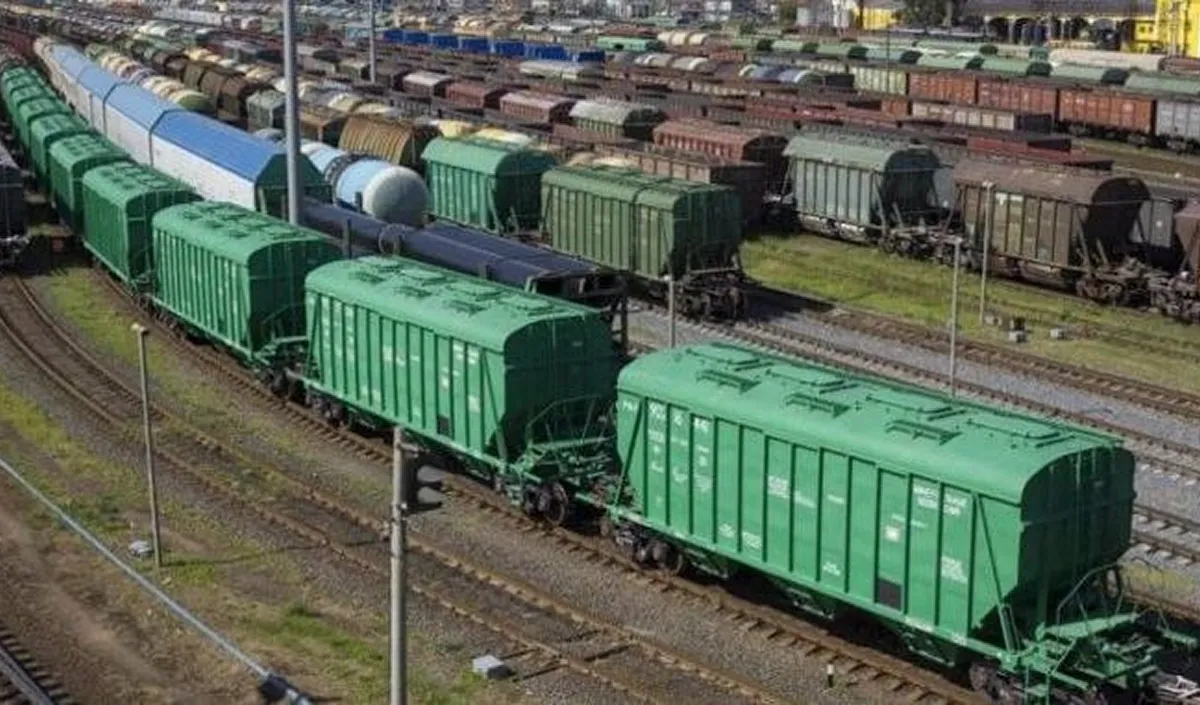


Moldova Plans to Provide Shelters at All Border Crossing Points with Ukraine
 Moldova
12.10.2026
Moldovan authorities intend to provide shelters at all crossing points along the state border with Ukraine. Prime Minister Vasile Tofan announced the plans during an appearance on Cinema1 television. He explained that these measures were necessary because Russian strikes on Ukrainian border infrastructure pose a danger to civilians and border service personnel.
According to the prime minister, personnel at certain joint crossing points where checks had been conducted on the Ukrainian side have been relocated to Moldovan territory. Protective structures are already being installed at border facilities. Some are more substantial, while others are temporary and require further reinforcement. The stated objective is to provide shelters at every border crossing.
Meanwhile, an inventory of existing shelters has been completed nationwide. Some are operational, while others require cleaning and restoration. The National Crisis Management Centre is involved in this work.
Moldova’s Ministry of Internal Affairs previously announced protective measures along the Moldovan–Ukrainian border. These include identifying and preparing spaces near crossing points for use as shelters, gradually establishing protective structures for personnel, and planning protection for areas used by travellers.
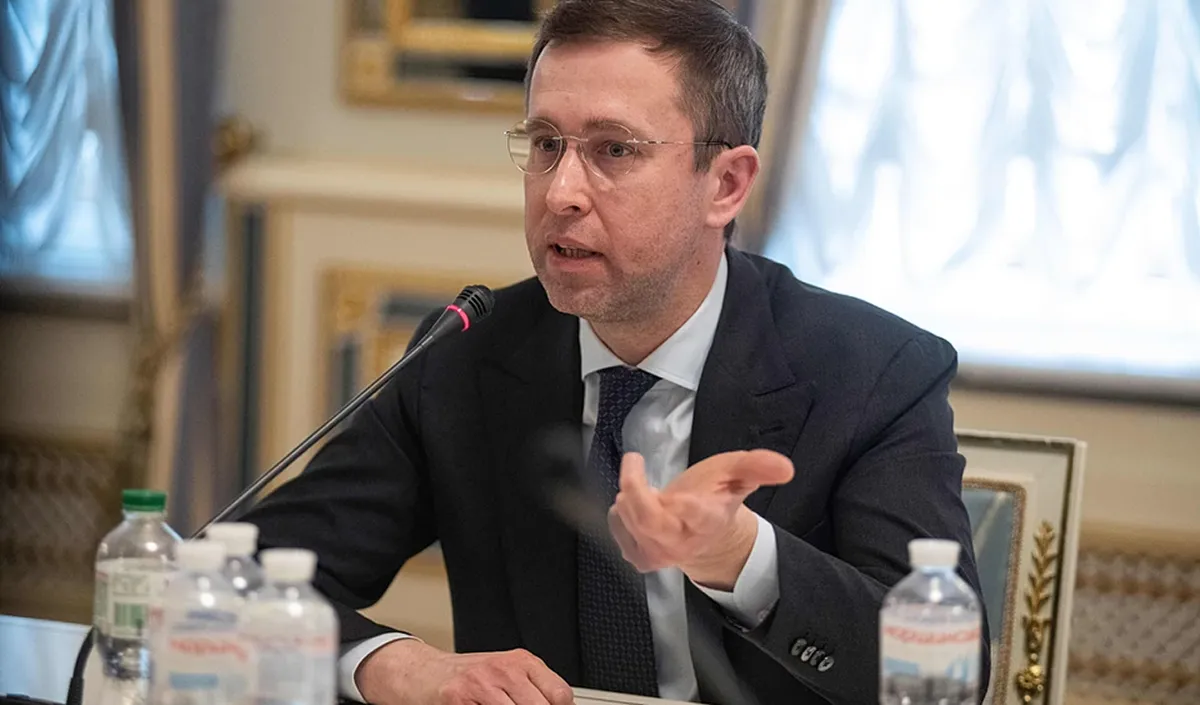
Commentary by the Institute of Danube Research
The provision of shelters along the Moldovan–Ukrainian border demonstrates the cross-border security consequences of Russian aggression. Strikes on Ukrainian infrastructure create risks for people, border control operations and transport links on both sides of the border.
The protection of border crossings is undoubtedly of particular importance to the Danube region. The interconnected nature of Ukrainian, Moldovan and Romanian routes means that the closure of one crossing can redirect traffic, cause queues and place additional pressure on neighbouring routes. Civil protection should therefore be treated as an essential component of transport infrastructure development.
However, the mere presence of a shelter does not determine how well a crossing point is protected. Its capacity, accessibility for people with reduced mobility, the time required to reach it, functioning warning systems and staff preparedness all matter. Planning must account for drivers, passengers and people waiting in queues, as well as service personnel.
A practical next step would be to coordinate Ukrainian and Moldovan response procedures: rapid information exchange, suspension of checks during a threat, movement of people to shelters and the safe resumption of operations. Coordination with Romania is also important for routes connected to Danube ports.
Protecting people at the border and ensuring the resilience of international logistics are interconnected tasks. Addressing them systematically requires a combination of engineering measures, staff training and sustained cross-border cooperation.
 Romania

 Hungary
 Ukraine


 Bulgaria
 Danube

 Serbia