

Moldovan Grain Traders Ask CFM to Review Demurrage Charges for Wagons Stranded at the Port of Reni
 Moldova
21.09.2026
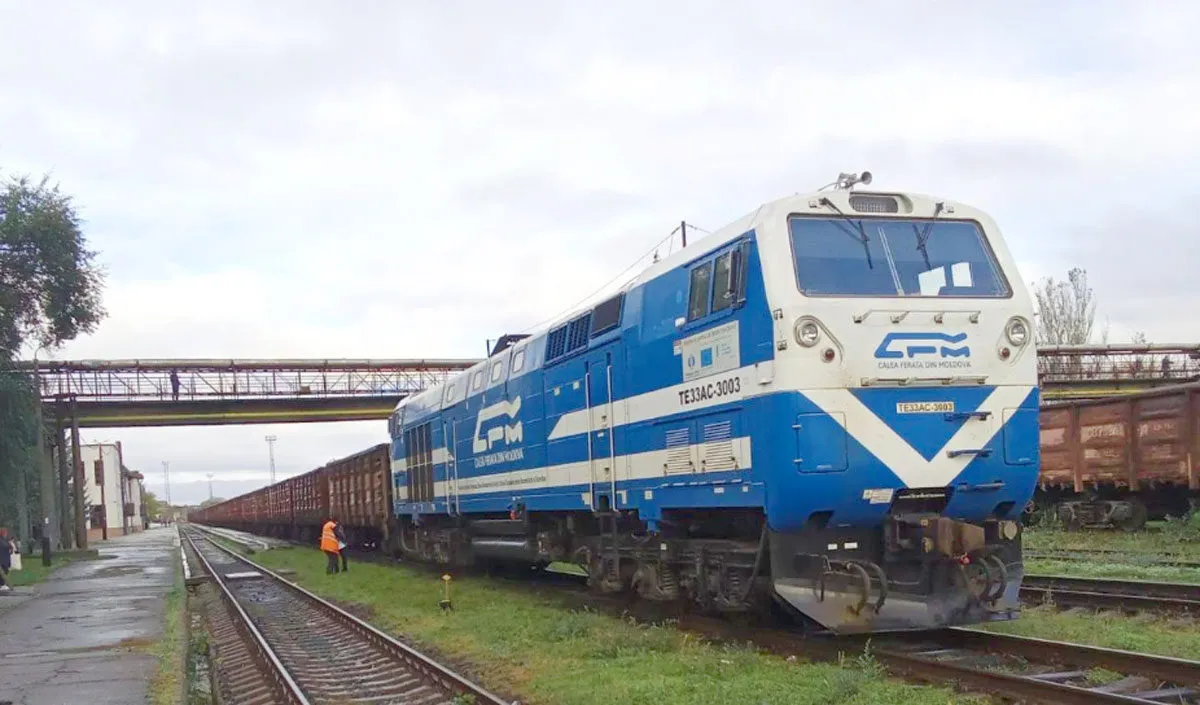
The Agrocereale grain exporters’ association has appealed to the state-owned enterprise Calea Ferată din Moldova (CFM — Moldovan Railways), calling for a fair and economically justified solution regarding demurrage charges for wagons carrying Moldovan grain that have remained blocked for an extended period at the Ukrainian port of Reni.
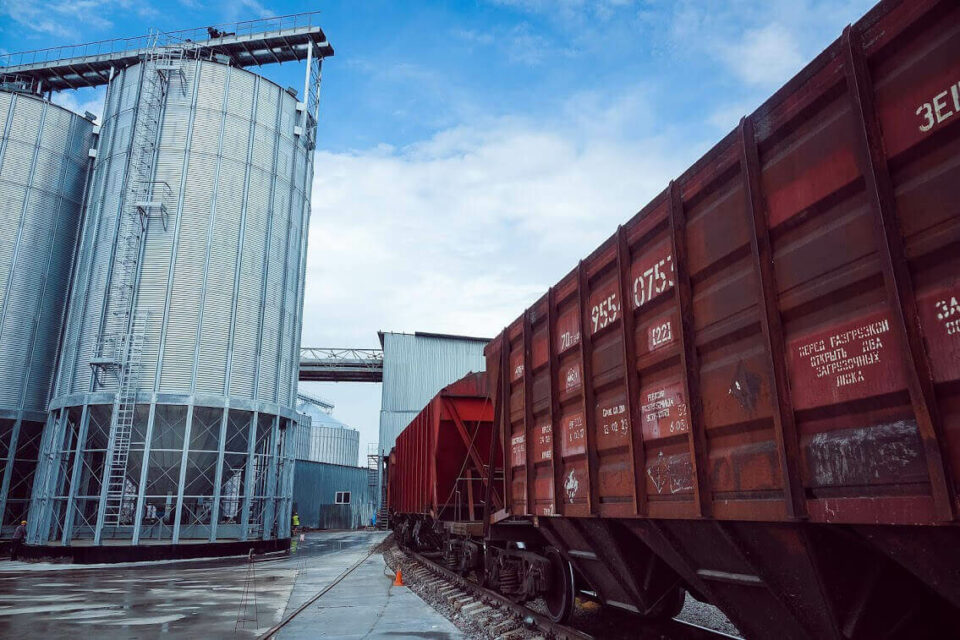
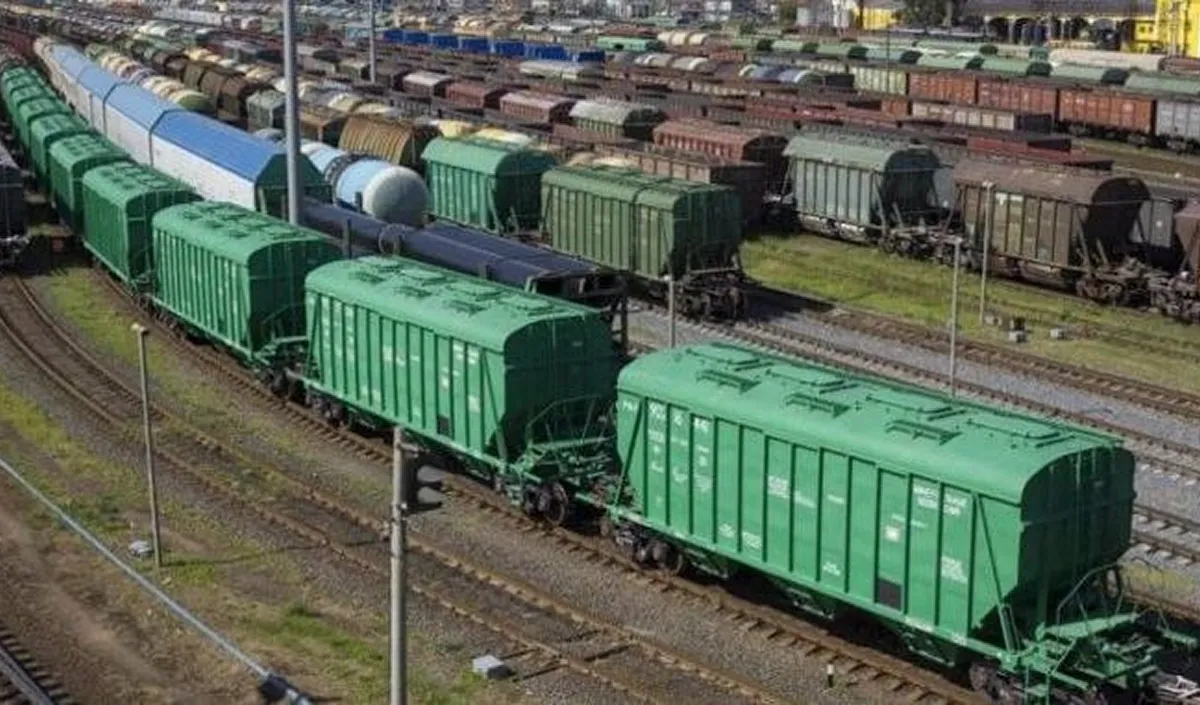
The official appeal was sent to CFM management on 11 September 2026. According to Agrocereale, 83 wagons belonging to just two member companies have been stranded in Reni for approximately a month, with no possibility of unloading them. As of 9 September, accumulated demurrage charges had reached approximately USD 40,500 and continued to increase daily. The association says other exporters are facing similar problems.
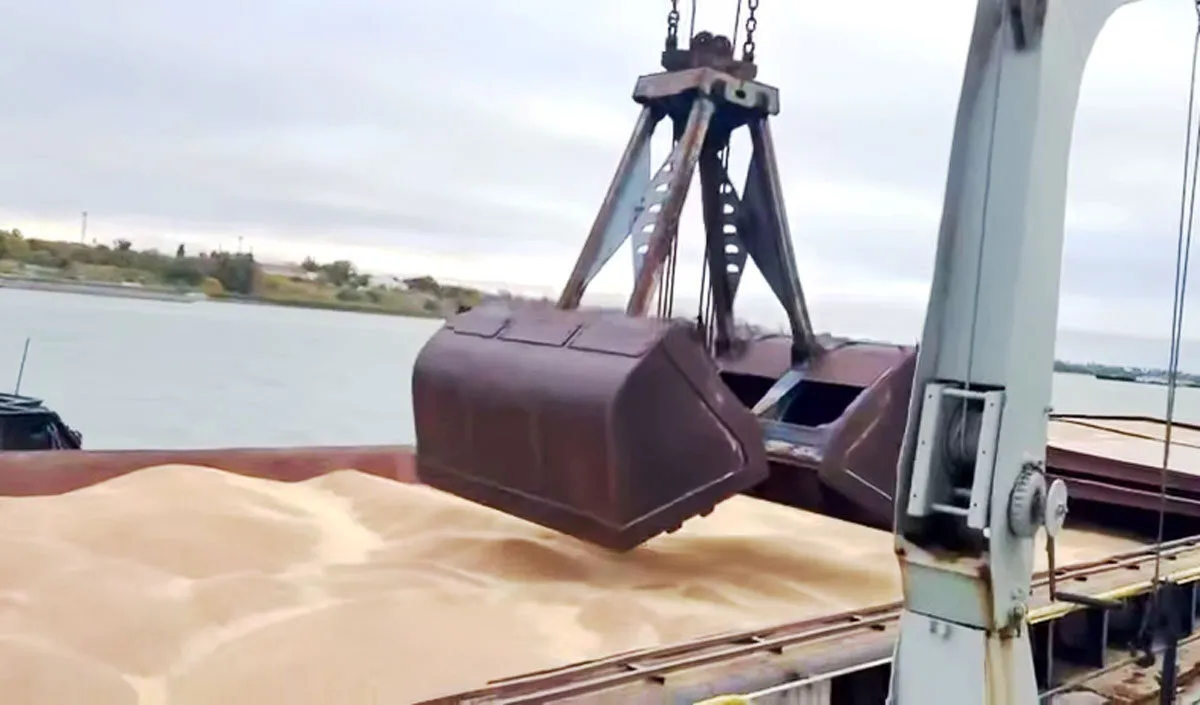
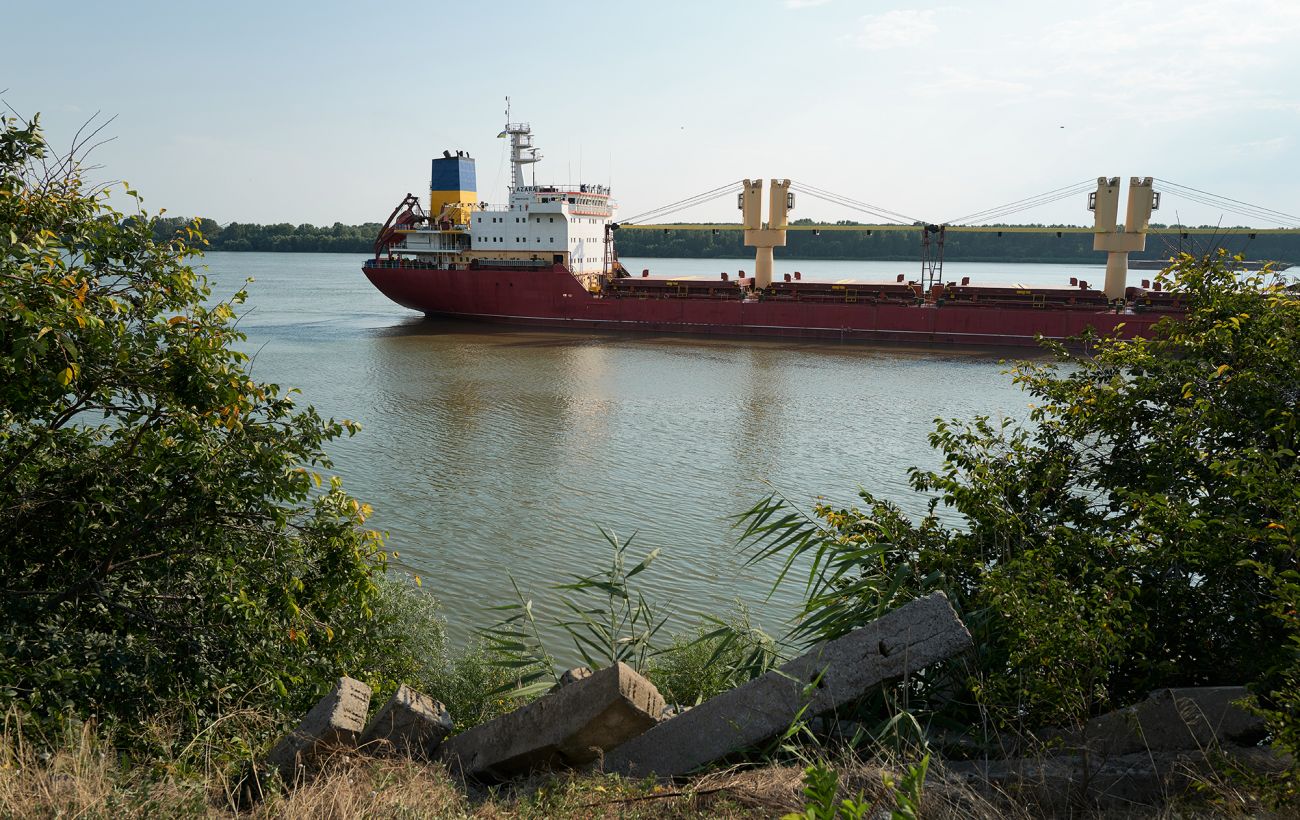
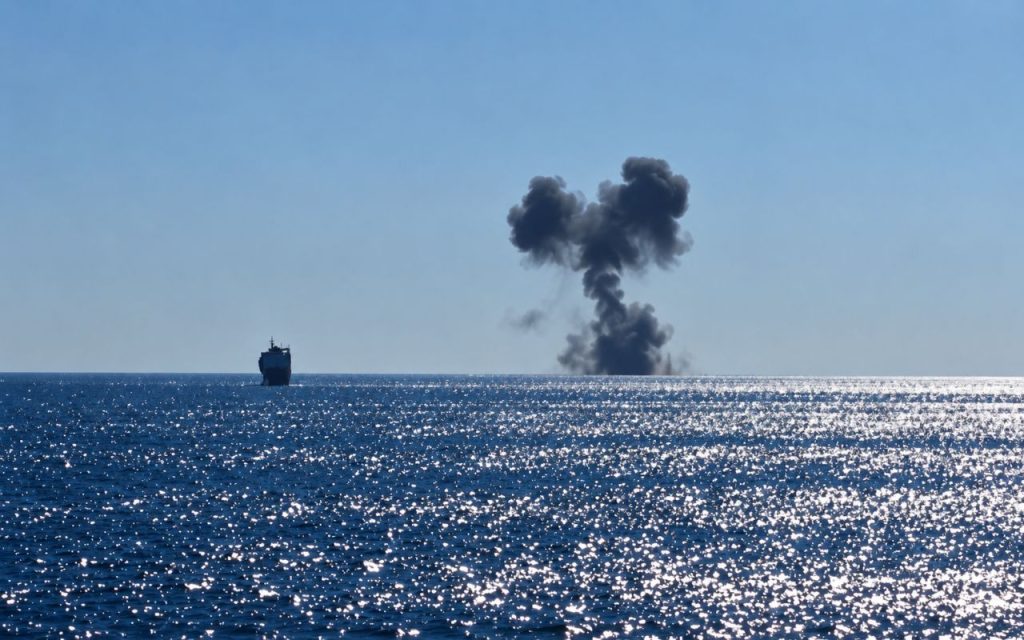
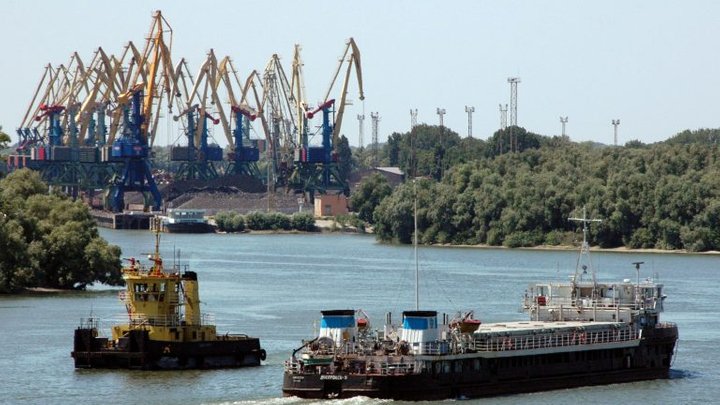
Agrocereale attributes the situation to security risks in southern Ukraine. According to information received by the association from market operators, some shipowners are refusing to send vessels to Reni or are redirecting them to other ports. Without a vessel at the berth, grain cannot be unloaded from the wagons, while there is currently no realistic alternative that would allow the rolling stock to be quickly released and returned to Moldova.
Agrocereale is not calling for traders to be automatically exempted from all charges. Instead, the association proposes distinguishing between cases in which delays occur through the operator’s fault and situations caused by external circumstances over which the exporter has no effective control. It is calling for a technical dialogue between CFM and the affected companies and for the development of a predictable mechanism for sharing the resulting costs.
The problem appears to be broader. Agrocereale Executive Director Iurie Rija has said that more than 100 CFM wagons carrying grain cargoes may currently be blocked in Reni. According to him, this represents a significant number for Moldova’s railway fleet and the country’s export logistics.
Comment by the Institute of Danube Research
The Institute of Danube Research notes that the situation in Reni goes beyond an ordinary commercial dispute over wagon-use charges. It highlights a systemic problem facing Danube logistics during wartime — the absence of an established mechanism for distributing costs arising from security circumstances that are beyond the control of any of the direct participants in the transport chain.
“The economic purpose of demurrage charges is to encourage cargo owners to release rolling stock as quickly as possible. However, this mechanism loses part of its regulatory rationale when an operator is physically unable to unload a wagon because there is no vessel available, while the vessel does not enter the port because of wartime risks. In such circumstances, a conventional tariff model begins to transform an external security risk into direct financial losses for an individual exporter,” the IDR notes.
In the Institute’s assessment, the issue requires not ad hoc exemptions for individual companies, but the establishment of a transparent crisis mechanism for international transport via the Danube. Such a mechanism could provide for differentiation between the causes of wagon delays, documentary confirmation of circumstances beyond the cargo owner’s control, the possibility of deferring or partially adjusting charges, and an agreed procedure for actions by carriers and traders in cases of prolonged cargo blockage.
Such an approach is also important for CFM itself. Keeping dozens of wagons out of circulation for prolonged periods reduces the capacity of Moldova’s railway system, while the accumulation of unforeseen charges for traders makes the Danube route less economically attractive.
Reni is an important component not only of Ukrainian but also of Moldovan export logistics. The current situation therefore demonstrates that the resilience of the Danube Corridor depends not only on port capacity, railway infrastructure and fleet availability. Mechanisms for distributing wartime risks among ports, carriers, shipowners and shippers are becoming equally important.
Establishing such rules could help prevent a situation in which the security-related blockage of one element of the logistics chain gradually turns into a financial blockage for all of its other participants.

 Romania

 Hungary
 Ukraine

 Bulgaria
 Danube
 Serbia