

Moldova’s Water Supply Depends on a Compromise Decision by the Dniester Commission
 Moldova
22.07.2026
Moldova
22.07.2026
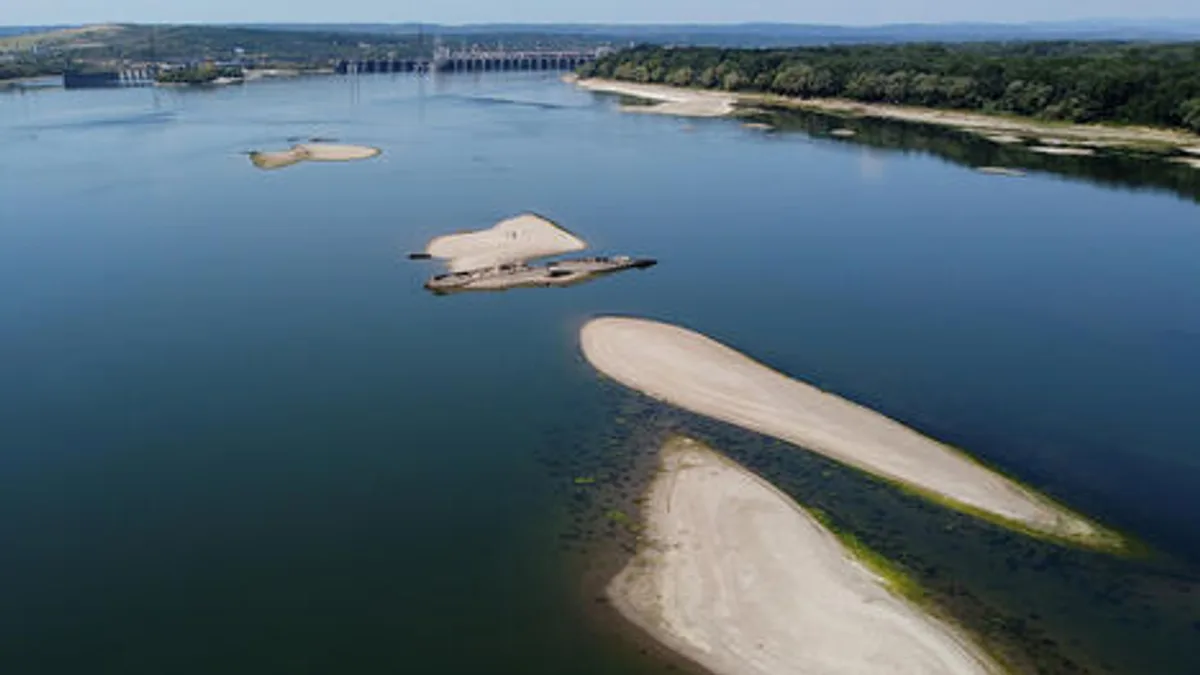
Maintaining the current water release regime from the Dniester Reservoir into the Moldovan section of the river only temporarily reduces the risks to the water supply of settlements in the Republic of Moldova, particularly Chișinău. Further developments will largely depend on the ability of Ukraine and Moldova to agree on a compromise regime for the use of water resources in August.
According to the Moldovan publication Logos Press, the Ukrainian side will maintain water releases at approximately 100 cubic metres per second until 31 July. However, this volume may be reduced by around 30% in August.
Ilia Trombițchi, Executive Director of the international association Eco-TIRAS, believes that a compromise reduction of 10–15% could be the most appropriate solution. If no agreement is reached, restrictions on water supply, including in the Moldovan capital, cannot be ruled out.
One temporary measure could be to increase water reserves in the Dubăsari Reservoir. However, according to experts, such additional reserves would be sufficient only for several days or, under favourable conditions, a few weeks.
The possibilities for quickly compensating for the shortage of Dniester water through underground sources are also limited. According to data cited by the Moldovan side, Chișinău has 34 operational artesian wells capable of supplying approximately 1,300 cubic metres of water per day.
This represents only 4.3% of the city’s reported daily demand of 30,000 cubic metres. Therefore, in the short term, there is effectively no viable alternative to water intake from the Dniester.
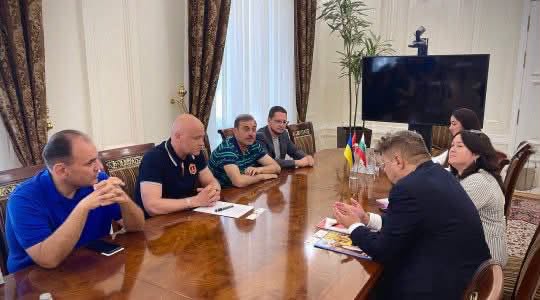
The issue is being addressed within the framework of the Commission on Sustainable Use and Protection of the Dniester River Basin, a bilateral intergovernmental body established by Ukraine and Moldova.
The Commission was created under the 2012 Treaty on Cooperation in the Field of Protection and Sustainable Development of the Dniester River Basin. Its responsibilities include coordinating the use of water resources, assessing the hydrological situation, and agreeing on measures to protect the transboundary basin.
Comment by the Institute of Danube Research
The situation surrounding Moldova’s water supply demonstrates how closely water security, energy, environmental stability, and interstate management of transboundary rivers are interconnected.
During periods of low water levels, decisions concerning the operation of the Dniester reservoir cascade cannot be taken solely from the perspective of one country or one economic sector.
The drinking water needs of the population, the ecological condition of the river, the interests of the energy and agricultural sectors, and the maintenance of a minimum sanitary flow must all be taken into account.
The Institute of Danube Research stresses that the most appropriate approach is to seek a coordinated compromise within the Dniester Commission.
The decision should be based on joint hydrological calculations, up-to-date forecasts of water inflows, assessments of reservoir reserves, and the determination of the minimum flow required to ensure stable water supplies in Moldova.
A compromise reduction in water releases could serve as a temporary means of balancing the interests of both countries. However, it would not resolve the systemic problem of major population centres depending on a single primary source of water.
Ukraine and Moldova should develop a joint action plan for prolonged periods of low water levels. It should establish guaranteed minimum flow volumes, an early-warning mechanism for changes in reservoir operating regimes, the accumulation of emergency reserves, the modernisation of water supply systems, and the gradual development of alternative water sources.
The Dniester is a shared transboundary ecosystem. Its use therefore requires not situational arrangements, but continuous, scientifically grounded and transparent management. The Dniester Commission should become the principal platform for developing such a solution.

 Bulgaria
 Hungary
 Romania
 Ukraine
 Serbia
 Danube