

More than 205 million tonnes of cargo transported through the Ukrainian Sea Corridor, including over 120 million tonnes of grain
 Ukraine
26.06.2026
Ukraine
26.06.2026
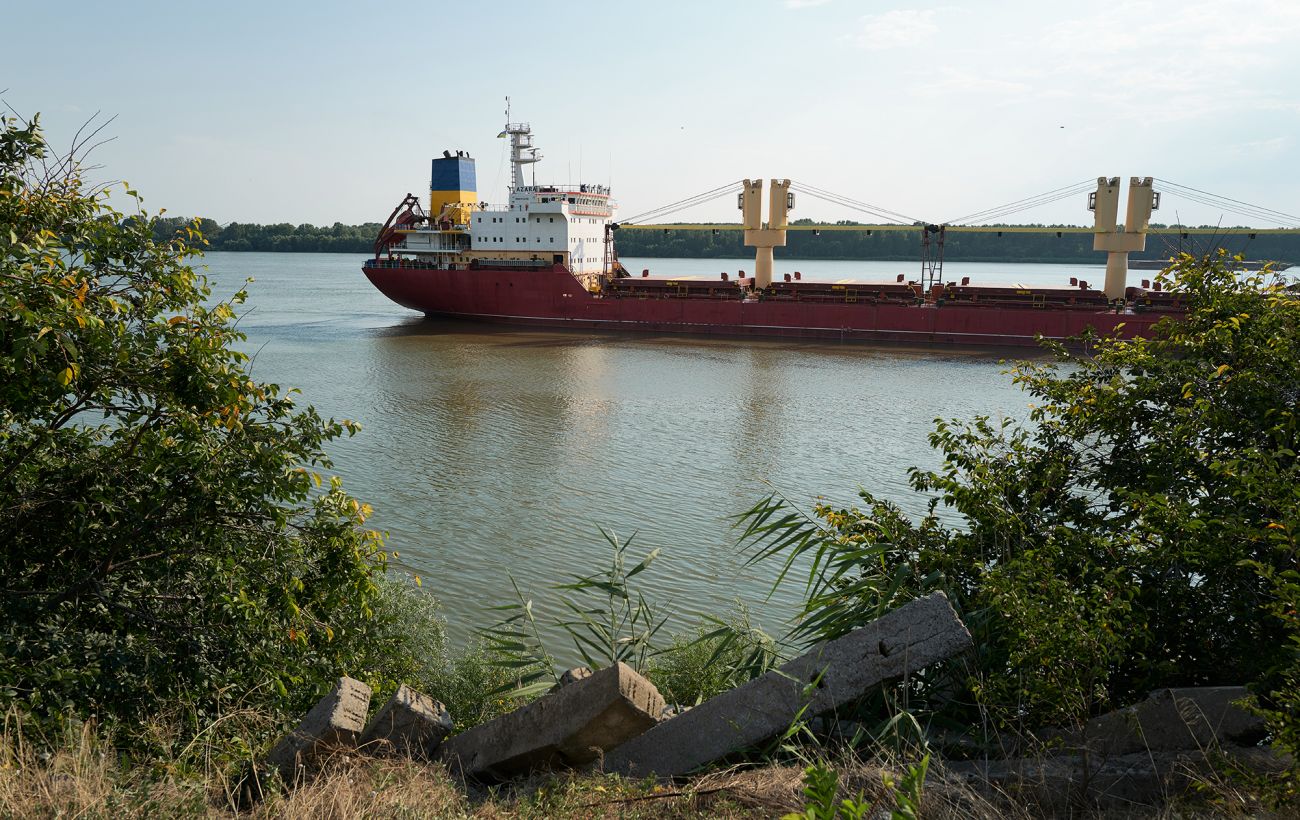
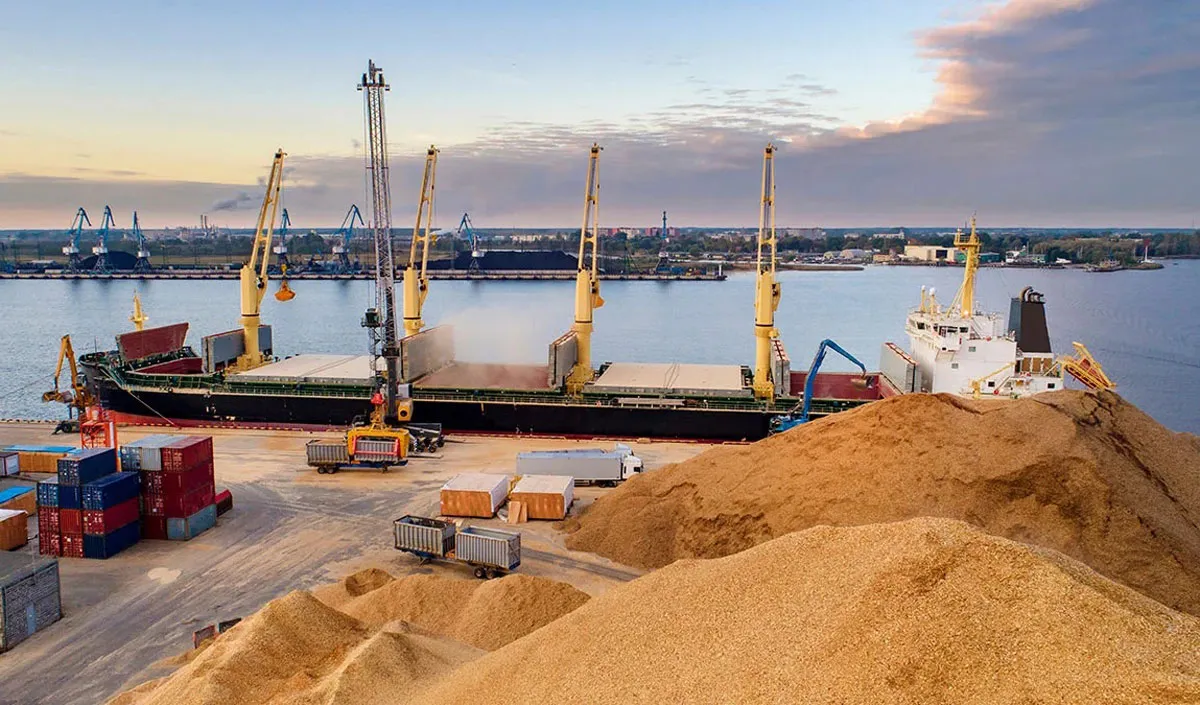
The Ukrainian Sea Corridor remains one of the key instruments for ensuring global food security and maintaining Ukraine’s export capacity under the conditions of Russia’s full-scale war. Since the start of its operation, more than 205 million tonnes of cargo have already been transported through the corridor, including over 120 million tonnes of grain.
This was stated by Ukraine’s Minister for Development of Communities and Territories, Oleksii Kuleba, during a meeting with Poland’s Minister of Infrastructure, Dariusz Klimczak.
According to Kuleba, despite constant Russian attacks, Ukrainian ports continue to operate, develop and perform the function of an important element of the international logistics system.
“Ukraine today is a guarantor of global food security. Despite constant Russian attacks, Ukrainian ports continue to operate and develop. Since the start of the maritime corridor, more than 205 million tonnes of cargo have already been transported, including over 120 million tonnes of grain. We are ready for partnership in concession projects, and port infrastructure has become one of the key areas of the URC-2026 Infrastructure Platform,” the minister noted.
During the meeting, the parties also discussed practical issues of Ukrainian-Polish transport cooperation. In particular, attention was paid to the situation on the Ukrainian-Polish border, long processing times for buses at checkpoints and the insufficient capacity of certain border crossing points, which increases waiting times for passengers.
A separate issue was the functioning of Poland’s SENT system for registering transport operations through Polish territory and the need to resolve the problem of unjustified fines imposed on carriers.
The discussions also focused on the extension of the “transport visa-free regime”, the development of railway connections and the implementation of joint infrastructure projects with the support of the European Union.
Comment by the Institute of Danube Research
The figure of more than 205 million tonnes of cargo transported through the Ukrainian Sea Corridor reflects not only the recovery of maritime export logistics, but also the formation of a new model of resilience for Ukraine’s transport system under wartime conditions. The share of grain cargo — over 120 million tonnes — confirms the strategic importance of the maritime route for the food security of importing countries and for the stability of Ukraine’s agricultural sector.
At the same time, the development of the maritime corridor does not reduce the importance of land and Danube routes. On the contrary, the experience of recent years has shown that Ukraine needs a multi-channel logistics system in which the seaports of Greater Odesa, the Danube port cluster, railway crossings and road checkpoints operate as complementary elements of a single export infrastructure.
The Ukrainian-Polish direction remains critically important in this context. Problems related to border capacity, the processing of passenger and freight transport, as well as the application of regulatory systems such as SENT, have not only an administrative but also an economic dimension. They affect the speed of trade, logistics costs and the predictability of transport operations for business.
For Ukraine, it is essential that the further extension of the “transport visa-free regime” be accompanied not only by political decisions, but also by the practical removal of bottlenecks at the border, digital synchronisation of procedures, development of railway infrastructure and modernisation of checkpoints.
In the medium term, it is the combination of the maritime corridor, Danube logistics and efficient western transport crossings that will determine Ukraine’s ability to maintain its role as an important export and transit actor in the Black Sea-Danube region.

 Bulgaria
 Hungary
 Romania

 Moldova
 Serbia


 Danube