

Navigation on the Danube Restricted in Romania Due to Critically Low Water Levels
 Romania
22.07.2026
Romania
22.07.2026
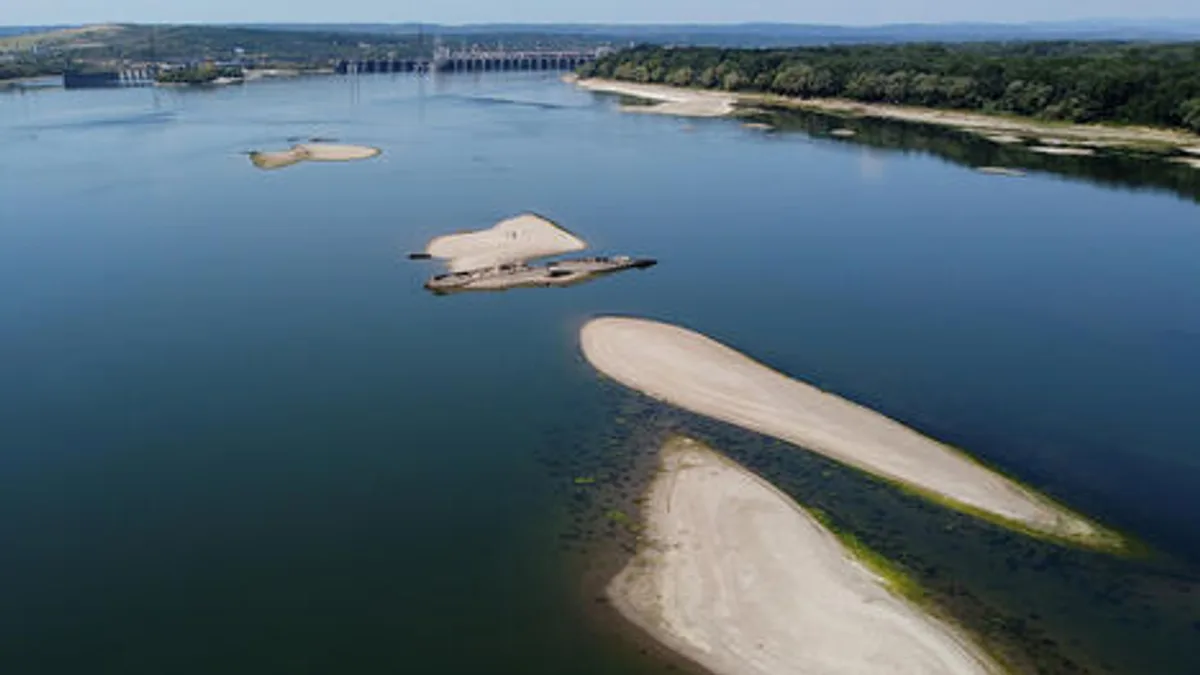
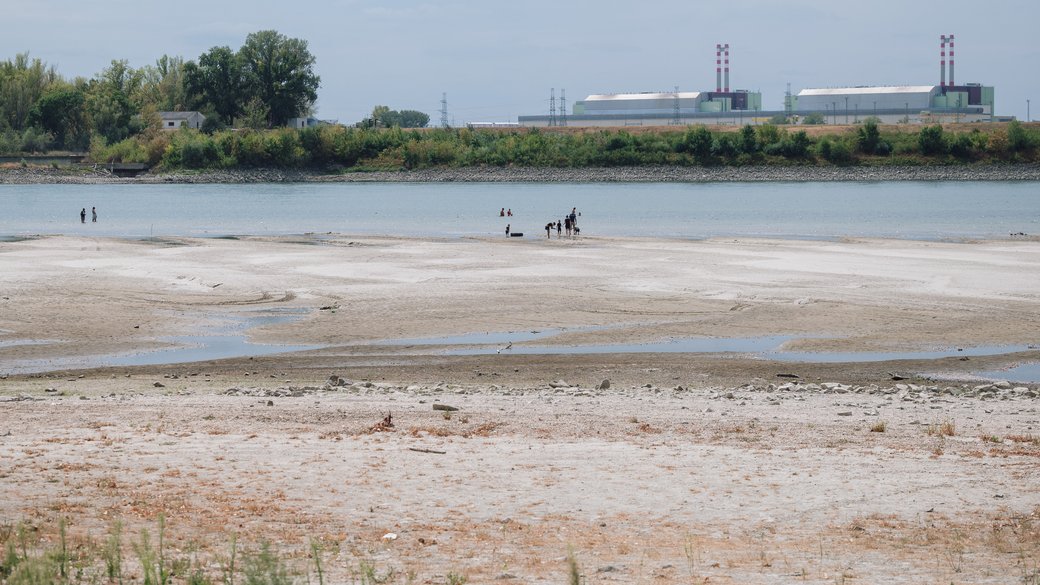
The water level of the Danube in Romania has fallen to its lowest point since 1996. The severe shallowing of the river has already led to partial navigation restrictions, the temporary closure of several ferry crossings, and limits on the use of water for agricultural irrigation.
At the point where the Danube enters Romania, the river discharge is almost three times lower than the long-term average for July. Along the Romanian-Bulgarian section of the river, large sandbanks have emerged as water levels continue to decline.
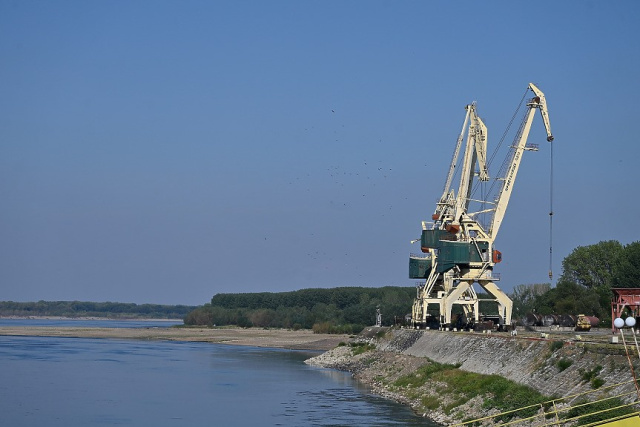
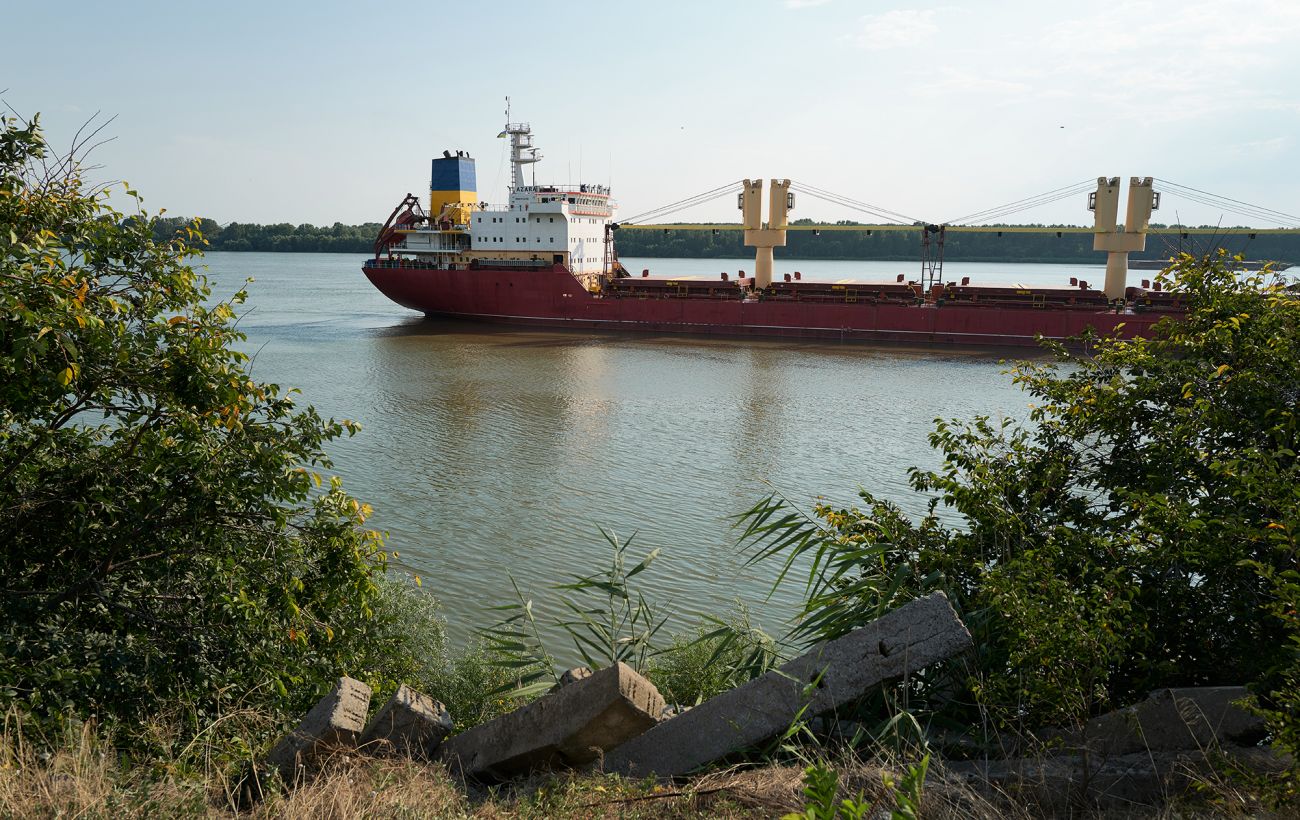
Some ferry services have been temporarily suspended, while grain barges have been forced to remain idle or reduce their cargo loads due to insufficient navigable depths.
The situation may significantly affect Romania’s agricultural logistics, as the country is one of the largest grain producers and exporters in the European Union. The Danube is a key transport route for delivering grain and other agricultural products to Black Sea ports, particularly the Port of Constanța.
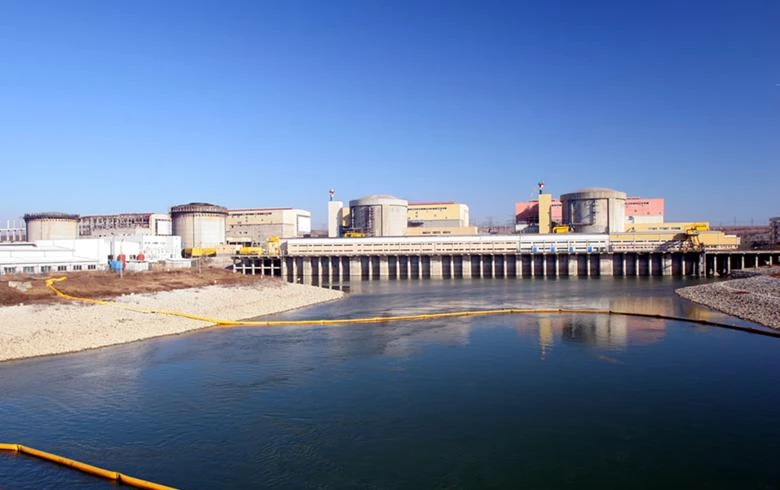
In south-eastern Romania, the authorities have already restricted farmers’ access to water for crop irrigation. At the same time, reservoir water levels are being carefully managed to maintain the minimum volume required to cool the two nuclear reactors operated by the Romanian energy company Nuclearelectrica.
Romanian hydrologists expect the Danube’s water level to gradually rise in the coming days due to heavy rainfall in several regions. However, even a temporary improvement in hydrological conditions will not eliminate the structural risks facing navigation, agriculture, energy production and port infrastructure.
Comment by the Institute of Danube Research
The Institute of Danube Research has repeatedly reported on the critical decline in water levels across the Danube basin, the suspension of ferry services, restrictions on passenger and freight navigation, and the growing risks to agricultural logistics in the countries of the Danube region.
The current situation in Romania confirms that low water levels on the Danube are no longer a local or short-term phenomenon. They are increasingly becoming a cross-border challenge that simultaneously affects shipping, grain exports, irrigation systems, energy production and port operations.
These developments are particularly important for Ukraine. The growing role of the Ukrainian Danube ports in foreign trade coincides with declining navigable depths and reduced capacity along the river transport corridor.
Under such conditions, vessels are forced to reduce their cargo loads, the number of required voyages increases, delivery times become longer, and freight rates rise. Critically low water levels may also complicate the transportation of Ukrainian agricultural products through Romanian ports and create additional pressure on the Port of Constanța, the Danube–Black Sea Canal, and regional railway and road infrastructure.
The Institute of Danube Research stresses the need to move from situational responses to a coordinated system for managing low-water periods throughout the entire Danube basin.
Such a system should include coordinated hydrological monitoring, early forecasting of navigation restrictions, harmonised operating regimes for ports and locks, the maintenance of navigable depths, and the development of alternative logistics routes.
The shallowing of the Danube should be regarded not only as a natural phenomenon but also as a long-term economic and security challenge requiring coordinated action by Ukraine, Romania, Bulgaria and other countries of the Danube region.

 Bulgaria
 Hungary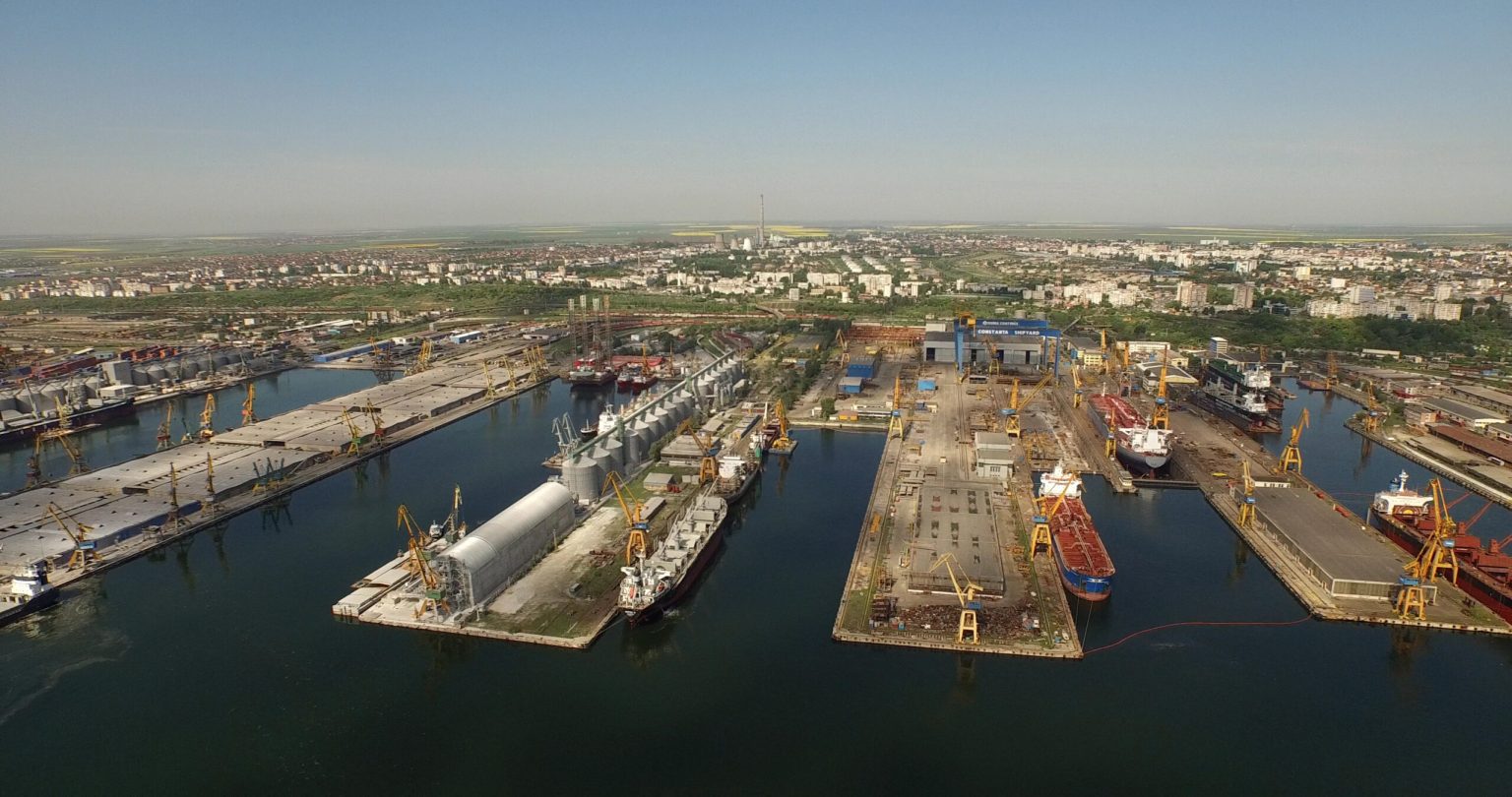

 Ukraine
 Moldova
 Serbia

 Danube